Translate this page:
Summary
California poppy is one of the most recognizable wildflowers of western North America and the official state flower of California. It is famous for its golden-orange flowers, finely divided blue-green foliage, drought tolerance, and ability to cover hillsides after good winter or spring rains. Although its leaves and flowers have documented food use, this is not a plant to treat as a regular vegetable. It belongs to a family with many chemically active species, and California poppy itself contains alkaloids associated more with medicinal use than food. It is best understood as a beautiful, mildly edible, medicinally active plant that deserves caution. California poppy, Eschscholzia californica, belongs to the poppy family (Papaveraceae) and the genus Eschscholzia. Common names include California poppy, golden poppy, copa de oro, California sunlight, and cup of gold. It is a short-lived perennial in mild climates but is usually grown or encountered as an annual, generally suited to USDA Zones 6–10 depending on winter conditions. Plants commonly grow about 5–50 cm tall and spread about 15–45 cm across, often forming bright seasonal colonies where rainfall and open ground allow. Bloom Color: Orange, Pink, Red, Yellow. Main Bloom Time: Early summer, Early fall, Late summer, Late fall, Late spring, Mid summer, Mid fall, Mid spring. Form: Rounded.
Physical Characteristics

 Eschscholzia californica is a PERENNIAL growing to 0.3 m (1ft) by 0.3 m (1ft in) at a fast rate.
See above for USDA hardiness. It is hardy to UK zone 6. It is in flower from July to September, and the seeds ripen from August to September. The species is hermaphrodite (has both male and female organs) and is pollinated by Bees.
It is noted for attracting wildlife.
Suitable for: light (sandy), medium (loamy) and heavy (clay) soils, prefers well-drained soil and can grow in nutritionally poor soil. Suitable pH: mildly acid, neutral and basic (mildly alkaline) soils. It cannot grow in the shade. It prefers dry or moist soil. The plant can tolerate maritime exposure.
UK Hardiness Map
US Hardiness Map
Synonyms
E. douglasii.
Plant Habitats
Cultivated Beds;
Edible Uses
Edible Parts: Leaves
Edible Uses:
The leaves and flowers are edible in small amounts, but California poppy should not be used as a staple green. Fresh petals can be used as a colorful garnish, and leaves can be cooked as potherbs. Meal-sized portions are not recommended unless carefully prepared and used sparingly [2-3]. Edible Uses & Rating: California poppy ranks as a low-value food plant and a high-value ornamental and medicinal plant. Its leaves and flowers can be eaten, but bitterness, latex-like flavor, and alkaloid content limit its usefulness. It is more suitable as a minor garnish or occasional cooked green than as a dependable food [2-3]. Taste, Processing & Kitchen Notes: Fresh leaves and flowers taste somewhat like bitter cucumber, with a latex-like overtone and little or no sweetness. The petals add vivid yellow-orange color to salads but do not contribute much in the way of pleasant flavor. The leaves are crisp when young and can be cooked as greens. Boiling reduces bitterness and the cucumber-like note, though the latex-like character may persist. Because the plant is chemically active, it should not be used casually in large servings. Seasonality (Phenology): California poppy can bloom from February to September, depending on rainfall, elevation, and climate. Desert and grassland blooms are often strongest after substantial winter or late-summer rain. In cultivation, flowering may continue for months if conditions remain favorable. Safety & Cautions (Food Use): California poppy contains multiple alkaloids, and modern research confirms that alkaloids are prominent in the leaves. It is widely used as a calming medicinal herb, which is another reason not to treat it as ordinary food. Use only small amounts, avoid regular meal-sized consumption, and avoid use by pregnant people, children, or anyone taking sedatives or other nervous-system-active medications unless professionally advised [2-3]. Harvest & Processing Workflow: Harvest only from clean, unsprayed plants and avoid collecting where removal is illegal or ecologically damaging. Pick young leaves before they become tough or overly bitter, and gather fresh petals for garnish. Rinse thoroughly. Use petals raw in small quantities, or boil the leaves as potherbs, discarding the cooking water if the bitterness is strong. Cultivar/Selection Notes: California poppy has many ornamental forms selected for flower color, including yellow, orange, red, pink, cream, and semi-double types. These are ornamental selections, not food cultivars. They may not come true from seed. Look-Alikes & Confusion Risks: Mexican poppy, Eschscholzia mexicana, is very similar and may be confused with California poppy. Prickly poppies in Argemone are more concerning look-alikes at a family level because they are spiny and chemically active. California poppy is best recognized by its finely dissected blue-green leaves, clear sap, four silky petals, fused deciduous sepals, and long narrow capsules. Traditional/Indigenous Use Summary: California poppy has documented Indigenous use, including the use of leaves as greens and flowers chewed with gum among the Luiseño people. The Maidu also used the leaves after leaching in boiling water. Its traditional uses were both food-related and medicinal, but the food uses appear limited and preparation mattered. Leaves - cooked[46, 61, 161]. This plant is in a family that contains many poisonous plants so some caution is advised in using it. Landscape Uses: Border, Container, Foundation, Massing, Rock garden.
References More on Edible Uses
Medicinal Uses
Plants For A Future can not take any responsibility for any adverse effects from the use of plants. Always seek advice from a professional before using a plant medicinally.
Anodyne Antianxiety Antidepressant Antispasmodic Diaphoretic Diuretic Galactofuge Odontalgic
The Californian poppy is a bitter sedative herb that acts as a diuretic, relieves pain, relaxes spasms and promotes perspiration[238]. The whole plant is harvested when in flower and dried for use in tinctures and infusions[238]. It is taken internally in the treatment of nervous tension, anxiety, insomnia and incontinence (especially in children)[238]. The watery sap is mildly narcotic and has been used to relieve toothache[238]. It is similar in its effect to the opium poppy (Papaver somniferum) but is much milder in its action and does not depress the central nervous system[238]. Another report says that it has a markedly different effect upon the central nervous system, that it is not a narcotic but tends to normalize psychological function[254]. Its gently antispasmodic, sedative and analgesic actions make it a valuable herbal medicine for treating physical and psychological problems in children[254]. It may also prove beneficial in attempts to overcome bedwetting, difficulty in sleeping and nervous tension and anxiety[254]. An extract of the root is used as a wash on the breasts to suppress the flow of milk in lactating females[207, 257].
References More on Medicinal Uses
The Bookshop: Edible Plant Books
Our Latest books on Perennial Plants For Food Forests and Permaculture Gardens in paperback or digital formats.
Edible Tropical Plants
Food Forest Plants for Hotter Conditions: 250+ Plants For Tropical Food Forests & Permaculture Gardens.
More
Edible Temperate Plants
Plants for Your Food Forest: 500 Plants for Temperate Food Forests & Permaculture Gardens.
More
More Books
PFAF have eight books available in paperback and digital formats. Browse the shop for more information.
Shop Now
Other Uses
Perennial groundcover for zone 2 firebreaks. The US government has created a system of firebreaks for areas prone to wildfires, theses are separated into concentric zones surrounding buildings. Zone 2 is the second away from the house. These low-level groundcovers provide little fuel. As a landscape plant, it is excellent: bright, drought tolerant, easy from seed, and highly effective in mass plantings. It can create spectacular seasonal displays across hillsides, meadows, roadsides, and dry gardens. Ecology & Wildlife: California poppy supports pollinators, provides seasonal color after rainfall, and helps stabilize open dry soils. In native and restoration plantings, it is valuable for early floral resources and drought-tolerant groundcover.
Special Uses
Attracts Wildlife
References More on Other Uses
Cultivation details
California poppy is a superb wildflower but a cautious edible. Its beauty, drought tolerance, and pollinator value far exceed its food value. It can be sampled or used sparingly, but it should not be promoted as a major edible green. Growing Conditions; It thrives in full sun and well-drained sandy or loamy soil. It is drought-tolerant, self-seeding, and especially successful in open or disturbed grassy areas. Oregon State University notes that it occurs in open or disturbed grassy areas up to about 7,000 feet. Habitat & Range: California poppy is native to the western United States and northwestern Mexico, especially California and nearby regions. It is also widely cultivated and naturalized elsewhere. Its native habitat includes open grasslands, hillsides, deserts, fields, and disturbed ground. Size & Landscape Performance: As a landscape plant, it is excellent: bright, drought-tolerant, easy from seed, and highly effective in mass plantings. It can create spectacular seasonal displays across hillsides, meadows, roadsides, and dry gardens. Cultivation (Horticulture): Grow from seed sown directly where plants are to flower. It dislikes transplanting once established. Provide full sun and sharp drainage. Avoid rich wet soils, which can produce weak growth. Pests & Problems: It is generally easy and resilient. Poor drainage, shade, and excessive irrigation are the main problems. In favorable climates it may self-seed freely. Identification & Habit: California poppy is an unarmed annual or short-lived perennial with clear sap, finely divided blue-green leaves, and solitary yellow to orange flowers on long stalks. The fruits are narrow ribbed capsules that split open at maturity. Pollinators: California poppy is a strong pollen plant. Oregon State records visits from bumble bees, sweat bees, mining bees, small carpenter bees, butterflies, and many other native bees. California poppy, Eschscholzia californica, belongs to the poppy family (Papaveraceae) and the genus Eschscholzia. Common names include California poppy, golden poppy, copa de oro, California sunlight, and cup of gold. It is a short-lived perennial in mild climates but is usually grown or encountered as an annual, generally suited to USDA Zones 6–10 depending on winter conditions. Plants commonly grow about 5–50 cm tall and spread about 15–45 cm across, often forming bright seasonal colonies where rainfall and open ground allow. Prefers a poor sandy soil and a sunny position[108, 200] but is easily grown in an ordinary garden soil[1]. Succeeds in a hot dry position. Plants grow well in maritime climates[200]. A very ornamental plant, it is commonly grown in the flower garden and there are many named varieties[200]. This plant is the state flower of California[207]. Although a perennial it is usually quite short-lived and is more often grown as an annual in this country[187, 238]. It can tolerate temperatures down to about -10°c, however, and often survives mild winters[187]. If the dead flowers are removed before they set seed the plant will continue flowering for a longer period[188]. A polymorphic species[71]. Plants resent root disturbance and should be sown in situ[200]. The flowers are very attractive to bees[108]. They close during wet or overcast weather[238]. Plants often self-sow if the soil is disturbed by some means such as hoeing[200]. Special Features: Attractive foliage, North American native, Naturalizing, Suitable for cut flowers, Extended bloom season in Zones 9A and above. Heat Zone: 9-2.
References Carbon Farming Information and Carbon Sequestration Information
Temperature Converter
Type a value in the Celsius field to convert the value to Fahrenheit:
Fahrenheit:
The PFAF Bookshop
Plants For A Future have a number of books available in paperback and digital form. Book titles include Edible Plants, Edible Perennials, Edible Trees,Edible Shrubs, Woodland Gardening, and Temperate Food Forest Plants. Our new book is Food Forest Plants For Hotter Conditions (Tropical and Sub-Tropical).
Shop Now
Plant Propagation
Seed - sow in mid spring or late summer to early autumn in a sunny border outdoors and only just cover the seed[200]. Autumn sown plants may require protection from frosts in cold winters[200]. The seed usually germinates in 2 - 3 weeks.
Other Names
If available other names are mentioned here
California poppy, golden poppy, copa de oro, California sunlight, and cup of gold.
Native Range
NORTHERN AMERICA: United States (Oregon (west), Washington (southwest), New Mexico (southwest), Texas, Arizona, California, Nevada (s. & w.), Utah (southwest)), Mexico (Baja California (Norte) (northwest), Chihuahua (northwest), Sonora (north))
Weed Potential
Right plant wrong place. We are currently updating this section.
Please note that a plant may be invasive in one area but may not in your area so it's worth checking.
Moderate. It self-seeds readily in open ground and may naturalize, though it is usually welcomed in dry gardens and wildflower plantings.
Conservation Status
IUCN Red List of Threatened Plants Status : Not listed.
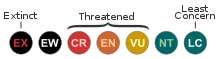
Growth: S = slow M = medium F = fast. Soil: L = light (sandy) M = medium H = heavy (clay). pH: A = acid N = neutral B = basic (alkaline). Shade: F = full shade S = semi-shade N = no shade. Moisture: D = dry M = Moist We = wet Wa = water.
Now available:
Food Forest Plants for Mediterranean Conditions
350+ Perennial Plants For Mediterranean and Drier Food Forests and Permaculture Gardens.
[Paperback and eBook]
This is the third in Plants For A Future's series of plant guides for food forests tailored to
specific climate zones. Following volumes on temperate and tropical ecosystems, this book focuses
on species suited to Mediterranean conditions—regions with hot, dry summers and cool, wet winters,
often facing the added challenge of climate change.
Read More
Expert comment
Author
Cham.
Botanical References
6071200
Links / References
For a list of references used on this page please go here
Readers comment