Translate this page:
Summary
Physical Characteristics

 Withania somnifera is an evergreen Shrub growing to 1 m (3ft 3in) by 0.5 m (1ft 8in).
See above for USDA hardiness. It is hardy to UK zone 9 and is frost tender. It is in leaf all year. The species is hermaphrodite (has both male and female organs).
Suitable for: light (sandy), medium (loamy) and heavy (clay) soils and prefers well-drained soil. Suitable pH: mildly acid, neutral and basic (mildly alkaline) soils. It cannot grow in the shade. It prefers moist soil.
UK Hardiness Map
US Hardiness Map
Synonyms
Physalis somnifera. Withania kansuensis. Withania microphysalis
Plant Habitats
Woodland Garden Sunny Edge; Dappled Shade; Cultivated Beds; South Wall. By. West Wall. By.
Edible Uses
Edible Parts:
Edible Uses: Curdling agent
The seeds are used to curdle plant milks in order to make vegetarian cheeses[183, 240].
References More on Edible Uses
Medicinal Uses
Plants For A Future can not take any responsibility for any adverse effects from the use of plants. Always seek advice from a professional before using a plant medicinally.
Abortifacient Adaptogen Antibiotic Aphrodisiac Astringent Deobstruent Diuretic Narcotic
Sedative Tonic
Ashwagandha is one of the most widespread tranquillising and adaptogenic herbs used in India, where it holds a position of importance similar to ginseng in China[238
]. It acts mainly on the reproductive and nervous systems, where it improves overall physical and mental health and increases longevity and vitality, having an overall rejuvenating effect on the body, and is used to improve vitality and aid recovery after chronic illness[238
, 254
, 299
]. Pharmaco-chemical analysis of the plant has revealed a very large number of bio-active compounds, particularly a range of alkaloids, steroidal lactones and glycosides[299
].
An aqueous alcohol root extract showed positive cardioprotective and hepatoprotective effects[299
].
A group of glycosides, known as sitoindosides, extracted from the roots showed significant antidepressant and anxiety-relieving properties. In a test for chronic stress, a root extract was compared with an extract from Panax ginseng; both extracts had a positive effect on several chronic stress symptoms, but the Withania somnifera extract did not cause the ginseng abuse syndrome, indicating a different mode of action[299
].
Cognition enhancing tests of an aqueous ethanol extract containing the glycosides withaferin A and sitoindosides showed a positive effect on cholinergic signal transduction in the forebrain, which may partly explain its cognition-enhancing effect[299
].
Tests have shown that ashwagandha can reverse memory deficits and also have a consolidating effect on the memory. Its effects upon the brain may provide leads towards treatments for Parkinson’s disease[299
].
Aqueous alcohol extracts of the roots showed a positive effect on the cartilage of osteoarthritis patients both in vitro and in vivo[299
].
The immunomodulatory effects of the withanolides (a group of steroidal lactones) have been studied extensively. Enhanced white blood cell counts and activity and inhibition of delayed-type hypersensitivity are among the processes reported[299
].
Glyco-withanolides, including sitoindosides IX and X, have been shown to cause increased counts of platelets and red and white blood cells and increased activity of peritoneal macrophages and lysosomal enzymes[299
].
The properties of the root extracts are very promising in cancer therapy; several studies indicate that they are correlated with the antioxidant effects. The extracts not only affect tumour growth but also have positive adjuvant effects in radiation and chemotherapy[299
].
In an in-vitro experiment, the steroid lactone withaferin A inhibited growth in human cell lines of breast, central nervous system, colon and lung cancer[299
].
A chloroform extract of the plant prevented cell proliferation by disrupting mitosis and inhibiting angiogenesis[299
].
The addition of root powder to the diet has shown hypoglycaemic effects[299
].
Although ashwagandha is used as an aphrodisiac, adding root powder to the diet has impaired the libido and sexual performance[299
].
The methanolic extract of the roots has shown significant antibacterial activity against a range of bacteria[299
].
When studying the anti-snake-venom properties of Withania somnifera, it was found that a glycoprotein isolated from an aqueous extract of the plant neutralized the toxic effects of phospholipase A2 from cobra venom. However, its mode of action may be too slow to provide a basis for pharmacological developments[299
].
Side effects of the medicinal use of ashwagandha are rarely reported, but a case of thyrotoxicosis caused by its use was reported in the Netherlands. Symptoms disappeared when the treatment was stopped[299
].
The whole plant, but especially the leaves and the root bark, are abortifacient, adaptogenic, antibiotic, aphrodisiac, deobstruent, diuretic, narcotic, strongly sedative and tonic[169
, 192
, 238
, 240
]. Internally, it is used to tone the uterus after a miscarriage and also in treating post-partum difficulties[192
]. It is also used to treat nervous exhaustion, debility, insomnia, wasting diseases, failure to thrive in children, impotence, infertility, multiple sclerosis etc[238
].
Applied externally, the plant has been applied as a poultice to boils, wounds, swellings and other painful parts[192
, 240
, 775
]. An ointment made from the leaves is applied to wounds and bed sores[299
].
The root is harvested in the autumn and dried for later use[238
]. Some caution is advised in the use of this plant since it is toxic[K
].
The fruit is diuretic[240
].
The seed is diuretic and hypnotic[240
].
References More on Medicinal Uses
The Bookshop: Edible Plant Books
Our Latest books on Perennial Plants For Food Forests and Permaculture Gardens in paperback or digital formats.

Edible Tropical Plants
Food Forest Plants for Hotter Conditions: 250+ Plants For Tropical Food Forests & Permaculture Gardens.
More

Edible Temperate Plants
Plants for Your Food Forest: 500 Plants for Temperate Food Forests & Permaculture Gardens.
More

More Books
PFAF have eight books available in paperback and digital formats. Browse the shop for more information.
Shop Now
Other Uses
Repellent Soap
The fruit is rich in saponins and can be used as a soap substitute[169
, 192
, 299
].
The leaves are used as an insect repellent[169
, 299
, 775
].
The root is used in Africa to ward off large animals such as lions[775
]. The dried root is crushed, then placed in a container and heated so that they give off smoke[775
].
Special Uses
References More on Other Uses
Cultivation details
A fairly easily grown plant, it requires a warm sheltered position in full sun and a well-drained moderately fertile soil[169, K]. Prefers a dry stony soil[238]. This species is not hardy in temperate climates but it can be grown as an annual, flowering and fruiting in its first year from seed[169].
References Carbon Farming Information and Carbon Sequestration Information
Temperature Converter
Type a value in the Celsius field to convert the value to Fahrenheit:
Fahrenheit:
The PFAF Bookshop
Plants For A Future have a number of books available in paperback and digital form. Book titles include Edible Plants, Edible Perennials, Edible Trees,Edible Shrubs, Woodland Gardening, and Temperate Food Forest Plants. Our new book is Food Forest Plants For Hotter Conditions (Tropical and Sub-Tropical).
Shop Now
Plant Propagation
Seed - sow early spring in a greenhouse. There is usually a high germination rate within 2 weeks. Prick out the seedlings into individual pots once they are large enough to handle and plant them out after the last expected frost. Consider giving the plants some protection, such as a cloche, until they are established and growing away well.
Other Names
If available other names are mentioned here
Aksan, Ashwagandha, Cheese tree, Gisewa, Indian ginseng, Karama anta, Kuaak, Kuak, Kuthmithi, Winter cherry, Zafua, 'ubab, 'ubâb, a sh a ga n dha, achuvagandi, acuvakanthi, agol, ahan, ajagandha, aksan, aksin, amukkara in tamil, amukkaram kizargu, amukkaramkizangu, amukkara (root), amukkara ki?a?ku, amukkira, amukkram, amukkuram, amukkuran, angarberu, asagand, asagandh, asagandh nagori, asagandha, asan, asana, asgand, asgand asgand nagori, asgandh, asgandh nagori, asgandha, asgandnagar, asganhisrol, asgvagandha, ashuvagandhi, ashvaganadha, ashvagandba, ashvagandha, ashvakandika, ashwaganda, ashwagandha, ashwagandha root, ashwaganha, ashwahandha, askagandha, askagandha as'vagandha, askandha, askandhatilli, asoda, asugandha, asun, asundha, asunyho, asuvagandi, asvagandha, asvagandhi, aswagandha, aswal, aswgandh, asvagandha (root), babu, bitterappeliefie, bofepha, bouzidân, bufera somnifera, bâibru, cheparusiot, chepepterekiat, cherry winter, coqueret sommnifere, coqueret somnifère, dambarico, duffhro, e-gaddy, emotoe, erva moura sonífera, foakapoaka, fuqqueish, gandhrapatri, ghoda, ghodakun, ghodasan, ginseng indiano, girbah, gisawa, gizara, gizawa, gizewa, hayagandha, hayagandhã, hayagandha, heilkraut, hidi-budawa, hidigaga, hindib, hirchil, hiremaddina- gida, hiremaddina-gadday, hiremaddina-gaddy, hiremaddina-gida, hirenaddina-hire-gadday, idi, idigaga, indian ginseng, isgand, juustumari, kabarra, kakani hindi, kakanj hindi, kaknaj-e-hindi, kaknja-e-hindi, kanaje hindi, kanchuki, khasraqul, kilangee, kipkogai, kuvia, labotwit, lakri, leekurun, lesayet, lopotwo, malagueta de galinha, merjan, mgeda, mhulapori, moferangopa, morgan, mosala-marupi, mpwa, mtemua shamba, mtemua shimba, murambae, nhulapori, ofuyaendwa, ol asajet, olasaiyet, oroval, orval, oshilumembodi, otjindumbu, ouartinni, palashaparni, penneroogadda, penneru, pennerugadda, pevette, poc poc sauvage, poc-poc sauvage, poison gooseberry, pontadeira, punir, radix withaniae, samm al ferakh, samm al-far, samoah, samwah, schlafbeere, sebbere-gola, senn-el-far, serran, sim-alfirakh, simm el ferakh, sum-ul-far, sum-ul-firakh, tatdra, tchintueumbuo, techil, ti-poc-poc, ubab, ubub, ubuvimba, ubuvuma, umuhire, umuire, umuvimba, uva caneça, u’beb, vajigandha, varahapatri, vimhepe, virenaddlinagadda, vajigandha, winter cherry, winter cherry|amukkara, winter chirry, winter-cherry, witania, withania, withania somnifera root, withania somnifera root for use in thmp, xharkhardii, xoxoriko, za'o|'o, ||auemas, ||auhaib.
Native Range
TEMPERATE ASIA: Oman, Saudi Arabia, Yemen, Afghanistan, Iran (south), Iraq, Israel, Jordan, Lebanon, Syria, Turkey TROPICAL ASIA: India, Sri Lanka, Pakistan EUROPE: Greece (incl. Crete), Italy (Sardegna, Sicilia), Spain (incl. Baleares) AFRICA: Cabo Verde, Spain (Canarias), Algeria, Egypt, Libya, Morocco, Tunisia, Eritrea, Ethiopia, Sudan, Somalia, Chad, Kenya, Tanzania, Uganda, Liberia, Mali, Nigeria, Angola, Mozambique, Malawi, Zambia, Zimbabwe, Botswana, Lesotho, Namibia, Eswatini, South Africa (Cape Province, Free State, KwaZulu-Natal, Transvaal), Mauritius
Weed Potential
Right plant wrong place. We are currently updating this section.
Please note that a plant may be invasive in one area but may not in your area so it's worth checking.
Conservation Status
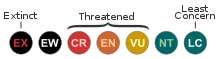
IUCN Red List of Threatened Plants Status : This taxon has not yet been assessed
Growth: S = slow M = medium F = fast. Soil: L = light (sandy) M = medium H = heavy (clay). pH: A = acid N = neutral B = basic (alkaline). Shade: F = full shade S = semi-shade N = no shade. Moisture: D = dry M = Moist We = wet Wa = water.
Now available:
Food Forest Plants for Mediterranean Conditions
350+ Perennial Plants For Mediterranean and Drier Food Forests and Permaculture Gardens.
[Paperback and eBook]
This is the third in Plants For A Future's series of plant guides for food forests tailored to
specific climate zones. Following volumes on temperate and tropical ecosystems, this book focuses
on species suited to Mediterranean conditions—regions with hot, dry summers and cool, wet winters,
often facing the added challenge of climate change.
Read More
Expert comment
Author
(L.)Dunal.
Botanical References
266
Links / References
For a list of references used on this page please go here
A special thanks to Ken Fern for some of the information used on this page.
Readers comment