Translate this page:
Summary
Physical Characteristics

 Vitis girdiana is a deciduous Climber growing to 12 m (39ft 4in).
See above for USDA hardiness. It is hardy to UK zone 8. It is in flower from June to July, and the seeds ripen from September to October. The species is hermaphrodite (has both male and female organs) and is pollinated by Insects.
Suitable for: light (sandy), medium (loamy) and heavy (clay) soils and prefers well-drained soil. Suitable pH: mildly acid, neutral and basic (mildly alkaline) soils. It can grow in semi-shade (light woodland) or no shade. It prefers dry or moist soil.
UK Hardiness Map
US Hardiness Map
Synonyms
Plant Habitats
Woodland Garden Sunny Edge; Dappled Shade;
Edible Uses
Edible Parts: Fruit Leaves
Edible Uses:
Fruit - raw or dried for winter use[161, 177, 257]. The fruit is about 4 - 7mm in diameter[200] and is carried in bunches. Young leaves are wrapped around other foods and then baked, they impart a pleasant flavour. Young tendrils - raw or cooked.
References More on Edible Uses
Medicinal Uses
Plants For A Future can not take any responsibility for any adverse effects from the use of plants. Always seek advice from a professional before using a plant medicinally.
None known
References More on Medicinal Uses
The Bookshop: Edible Plant Books
Our Latest books on Perennial Plants For Food Forests and Permaculture Gardens in paperback or digital formats.
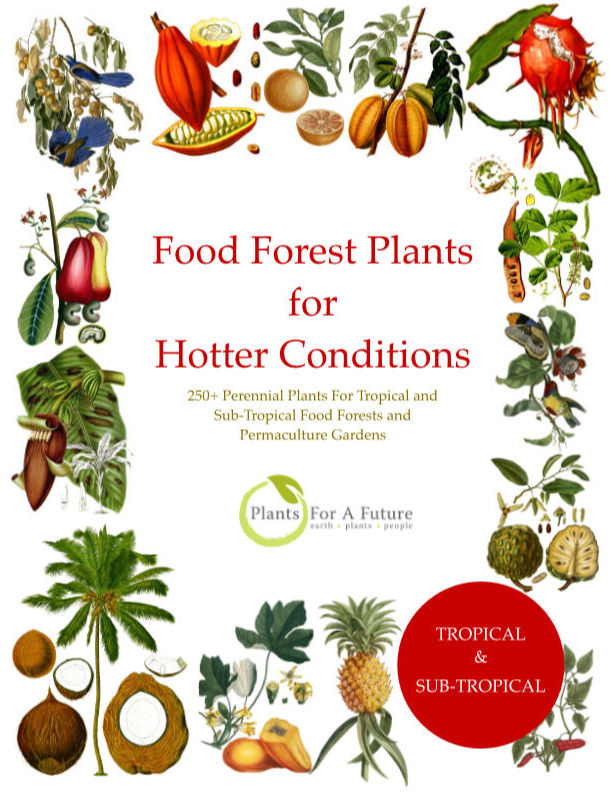
Edible Tropical Plants
Food Forest Plants for Hotter Conditions: 250+ Plants For Tropical Food Forests & Permaculture Gardens.
More
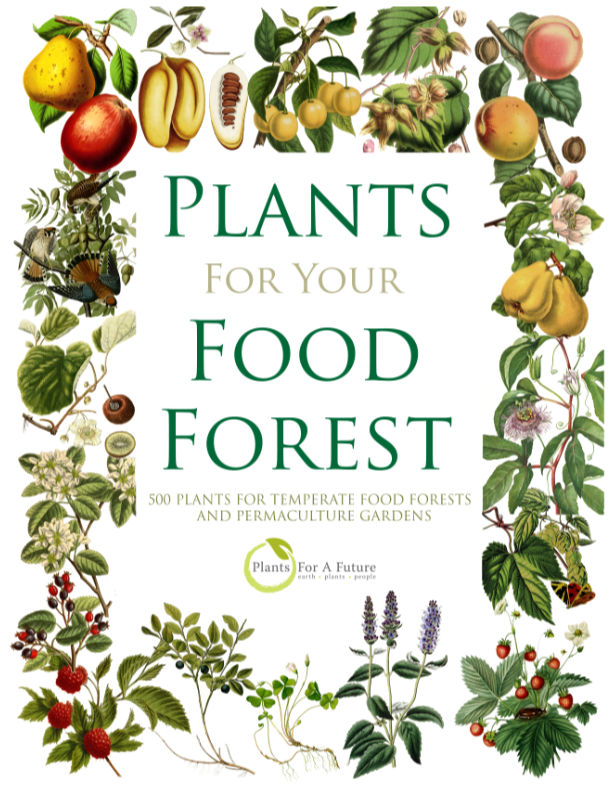
Edible Temperate Plants
Plants for Your Food Forest: 500 Plants for Temperate Food Forests & Permaculture Gardens.
More
More Books
PFAF have eight books available in paperback and digital formats. Browse the shop for more information.
Shop Now
Other Uses
Dye Hair
A yellow dye is obtained from the fresh or dried leaves[168]. The sap has been rubbed on falling or thin hair to keep it healthy and make it grow[257].
Special Uses
References More on Other Uses
Cultivation details
Prefers a deep rich moist well-drained moderately fertile loam[1, 200]. Grows best in a calcareous soil[200]. Succeeds in sun or partial shade though a warm sunny position is required for the fruit to ripen[200]. Plants climb by means of tendrils[182]. Any pruning should be carried out in winter when the plants are dormant otherwise they bleed profusely[182, 200]. Plants in this genus are notably susceptible to honey fungus[200].
References Carbon Farming Information and Carbon Sequestration Information
Temperature Converter
Type a value in the Celsius field to convert the value to Fahrenheit:
Fahrenheit:
The PFAF Bookshop
Plants For A Future have a number of books available in paperback and digital form. Book titles include Edible Plants, Edible Perennials, Edible Trees,Edible Shrubs, Woodland Gardening, and Temperate Food Forest Plants. Our new book is Food Forest Plants For Hotter Conditions (Tropical and Sub-Tropical).
Shop Now
Plant Propagation
Seed - best sown in a cold frame as soon as it is ripe[K]. Six weeks cold stratification improves the germination rate, and so stored seed is best sown in a cold frame as soon as it is obtained. Germination should take place in the first spring, but sometimes takes another 12 months. Prick out the seedlings into individual pots when they are large enough to handle and grow them on in a cold frame for their first winter. Plant out in early summer. Cuttings of mature wood of the current seasons growth, December/January in a frame. These cuttings can be of wood 15 - 30cm long or they can be of short sections of the stem about 5cm long with just one bud at the top of the section. In this case a thin, narrow strip of the bark about 3cm long is removed from the bottom half of the side of the stem. This will encourage callusing and the formation of roots. Due to the size of these cuttings they need to be kept in a more protected environment than the longer cuttings. Layering.
Other Names
If available other names are mentioned here
Native Range
NORTHERN AMERICA: United States (Arizona, California (south), Nevada, Utah), Mexico (Baja)
Weed Potential
Right plant wrong place. We are currently updating this section.
Please note that a plant may be invasive in one area but may not in your area so it's worth checking.
Conservation Status
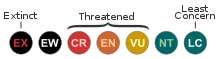
IUCN Red List of Threatened Plants Status :
| Related Plants
|
| Latin Name | Common Name | Habit | Height | Hardiness | Growth | Soil | Shade | Moisture | Edible | Medicinal | Other |
| Vaccinium vitis-idaea | Cowberry, Lingonberry, Northern mountain cranberry, Cranberry | Shrub | 0.3 |
3-8
| M | LM | SN | M | 3 | 2 | 3 |
| Vitis acerifolia | Bush Grape, Mapleleaf grape | Climber | 10.0 |
5-9
| | LMH | SN | DM | 2 | 0 | 1 |
| Vitis aestivalis | Summer Grape, Long grape | Climber | 20.0 |
3-7
| F | LMH | SN | DM | 3 | 1 | 1 |
| Vitis aestivalis argentifolia | Summer Grape | Climber | 25.0 |
3-7
| F | LMH | SN | DM | 3 | 0 | 1 |
| Vitis aestivalis var. linsecomii | Post-Oak Grape | Climber | 5.0 |
-
| | LMH | SN | DM | 2 | 0 | 1 |
| Vitis amurensis | Amur River Grape, Amur grape | Climber | 15.0 |
4-8
| M | LMH | SN | DM | 2 | 1 | 1 |
| Vitis arizonica | Canyon Grape | Climber | 5.0 |
5-9
| | LMH | SN | DM | 2 | 0 | 1 |
| Vitis baileyana | Graybark Grape | Climber | 10.0 |
5-9
| | LMH | SN | DM | 2 | 0 | 1 |
| Vitis belaii | Grape | Climber | 0.0 |
-
| | LMH | SN | DM | 4 | 0 | 1 |
| Vitis berlandieri | Spanish Grape | Climber | 10.0 |
6-9
| | LMH | SN | DM | 3 | 0 | 1 |
| Vitis californica | California Grape, California wild grape | Climber | 9.0 |
6-9
| M | LMH | SN | DM | 2 | 0 | 2 |
| Vitis cinerea | Sweet Winter Grape, Graybark grape, Florida grape, Heller's grape | Climber | 0.0 |
4-8
| | LMH | SN | DM | 3 | 0 | 1 |
| Vitis cinerea floridana | Currant Grape | Climber | 0.0 |
4-8
| | LMH | SN | DM | 3 | 0 | 2 |
| Vitis coignetiae | Crimson Glory Vine | Climber | 20.0 |
4-8
| F | LMH | SN | DM | 2 | 0 | 3 |
| Vitis cordifolia | Frost Grape | Climber | 20.0 |
4-8
| F | LMH | SN | DM | 2 | 0 | 1 |
| Vitis davidii | Spiny Vitis | Climber | 15.0 |
6-9
| | LMH | SN | DM | 2 | 0 | 3 |
| Vitis flexuosa | | Climber | 8.0 |
5-9
| | LMH | SN | DM | 2 | 1 | 1 |
| Vitis labrusca | Northern Fox Grape, Fox grape | Climber | 15.0 |
4-9
| F | LMH | SN | DM | 3 | 1 | 2 |
| Vitis labruscana | | Climber | 15.0 |
4-8
| | LMH | SN | DM | 3 | 0 | 1 |
| Vitis lanata | Grape | Climber | 0.0 |
8-11
| | LMH | SN | DM | 3 | 1 | 1 |
| Vitis monticola | Sweet Mountain Grape | Climber | 10.0 |
5-9
| | LMH | SN | DM | 3 | 0 | 1 |
| Vitis munsoniana | Bird Grape, Munson's grape | Climber | 0.0 |
0-0
| | LMH | SN | DM | 3 | 0 | 1 |
| Vitis mustangensis | Mustang Grape | Climber | 10.0 |
4-8
| | LMH | SN | DM | 3 | 0 | 1 |
| Vitis palmata | Red Grape, Catbird grape | Climber | 20.0 |
4-8
| | LMH | SN | DM | 2 | 0 | 1 |
| Vitis parvifolia | | Climber | 0.0 |
6-9
| | LMH | SN | DM | 2 | 1 | 1 |
| Vitis riparia | Riverbank Grape | Climber | 15.0 |
2-6
| F | LMH | SN | DM | 3 | 0 | 2 |
| Vitis romanetii | | Climber | 10.0 |
5-9
| | LMH | N | DM | 2 | 0 | 1 |
| Vitis rotundifolia | Muscadine Grape | Climber | 25.0 |
5-9
| F | LMH | SN | DM | 4 | 0 | 1 |
| Vitis rupestris | Sand Grape | Climber | 2.0 |
-
| | LMH | SN | DM | 3 | 0 | 2 |
|
|
Growth: S = slow M = medium F = fast. Soil: L = light (sandy) M = medium H = heavy (clay). pH: A = acid N = neutral B = basic (alkaline). Shade: F = full shade S = semi-shade N = no shade. Moisture: D = dry M = Moist We = wet Wa = water.
Expert comment
Author
Munson.
Botanical References
71200
Links / References
For a list of references used on this page please go here
Readers comment