Translate this page:
Summary
Tropaeolum majus,
Nasturtiums are short-lived perennials and attractive flowering plants. The leaves are rich in vitamin C, with a peppery hot watercress taste that can be used in salads or as a garnish. The plant is native to South America but is now grown in many parts of the World. It has edible raw flowers which are a very ornamental and tasty addition to the salad bowl. Eat young seed pods raw; these are even hotter than the flowers or leaves. They can also be harvested whilst immature and pickled as a caper substitute. The seed contains 26% protein and 10% oil; eat them raw or cooked. The mature seed can be ground into a powder and used as a pepper substitute. Nasturtium supports itself by twisting its leaf stalks around other plants.
Harvesting: Leaves are harvested in summer and autumn. Flowers are abundantly produced in late spring and summer, around five to seven weeks after planting. Bloom Color: Orange, Yellow. Main Bloom Time: Early summer, Early fall, Late summer, Mid summer. Form: Rounded, Spreading or horizontal.
Physical Characteristics

 Tropaeolum majus is a PERENNIAL CLIMBER growing to 3.5 m (11ft) by 1.5 m (5ft) at a fast rate.
See above for USDA hardiness. It is hardy to UK zone 9 and is frost tender. It is in flower from July to September, and the seeds ripen from August to October. The species is hermaphrodite (has both male and female organs). The plant is self-fertile.
It is noted for attracting wildlife.
Suitable for: light (sandy) and medium (loamy) soils, prefers well-drained soil and can grow in nutritionally poor soil. Suitable pH: mildly acid, neutral and basic (mildly alkaline) soils. It cannot grow in the shade. It prefers moist soil.
UK Hardiness Map
US Hardiness Map
Synonyms
Cardamindum majus. Tropaeolum elatum. Tropaeolum hortense. Trophaeum majus.
Plant Habitats
Cultivated Beds;
Edible Uses
Edible Parts: Flowers Leaves Oil Seed Seedpod
Edible Uses: Condiment Oil
Leaves - raw[2, 7, 14, 15, 27, 37]. A hot watercress flavour[183]. Very nice on its own or as a flavouring in mixed salads[K]. Rich in vitamin C[201]. The leaves are available from early summer until the first frosts of the autumn[K]. Flowers - raw[2, 7, 14, 27, 37, 183]. A very ornamental and tasty addition to the salad bowl, the flowers have a hot watercress flavour and are available all through the summer[7, K]. The flowers contain about 130mg vitamin C per 100g[218]. Young seed pods - raw[2, 14, 15, 27, 37]. These are even hotter than the flowers or leaves[K]. They can also be harvested whilst immature and pickled for use as a caper substitute[183, 238]. Seed - raw or cooked[105]. Very hot[K]. The mature seed can be ground into a powder and used as a pepper substitute[183]. The seed contains 26% protein and 10% oil[218].
References More on Edible Uses
Medicinal Uses
Plants For A Future can not take any responsibility for any adverse effects from the use of plants. Always seek advice from a professional before using a plant medicinally.
Antibacterial Antibiotic Antifungal Antiseptic Aperient Depurative Diuretic Emmenagogue
Expectorant Laxative Stimulant Urinary Vitamin C
Nasturtium has long been used in Andean herbal medicine as a disinfectant and wound-healing herb, and as an expectorant to relieve chest conditions[254]. All parts of the plant appear to be antibiotic and an infusion of the leaves can be used to increase resistance to bacterial infections and to clear nasal and bronchial catarrh[254]. The remedy seems to both reduce catarrh formation and stimulate the clearing and coughing up of phlegm[254]. The leaves are antibacterial, antifungal, antiseptic, aperient, depurative, diuretic, emmenagogue, expectorant, laxative and stimulant[7, 21, 238]. A glycoside found in the plant reacts with water to produce an antibiotic[238]. The plant has antibiotic properties towards aerobic spore forming bacteria[61]. Extracts from the plant have anticancer activity[218]. The plant is taken internally in the treatment of genito-urinary diseases, respiratory infections, scurvy and poor skin and hair conditions[238]. Externally it makes an effective antiseptic wash and is used in the treatment of baldness, minor injuries and skin eruptions[238]. Any part of the plant can be used, it is harvested during the growing season and used fresh[238]. The German Commission E Monographs, a therapeutic guide to herbal medicine, approve Tropaeolum majus Nasturtium for urinary tract infections, cough, bronchitis (see [302] for critics of commission E).
References More on Medicinal Uses
The Bookshop: Edible Plant Books
Our Latest books on Perennial Plants For Food Forests and Permaculture Gardens in paperback or digital formats.
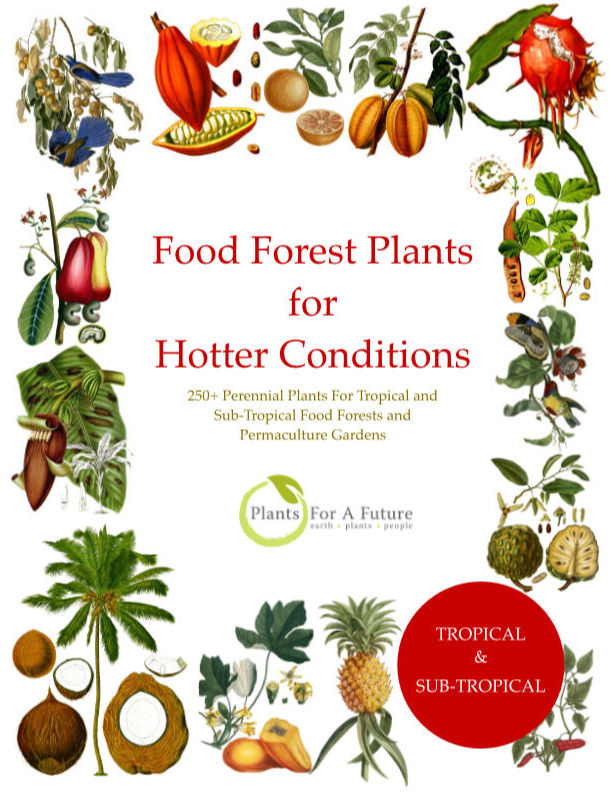
Edible Tropical Plants
Food Forest Plants for Hotter Conditions: 250+ Plants For Tropical Food Forests & Permaculture Gardens.
More
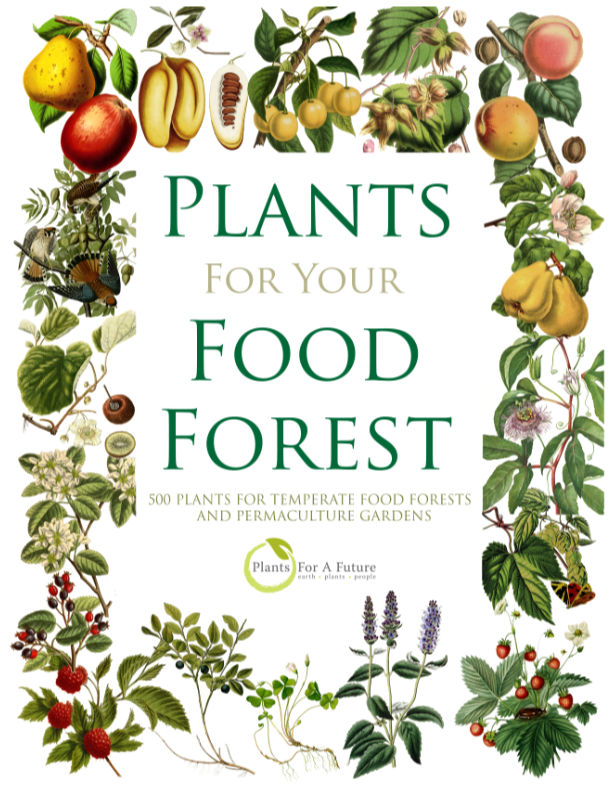
Edible Temperate Plants
Plants for Your Food Forest: 500 Plants for Temperate Food Forests & Permaculture Gardens.
More
More Books
PFAF have eight books available in paperback and digital formats. Browse the shop for more information.
Shop Now
Other Uses
Insecticide Oil Repellent
Landscape Uses:Container, Ground cover, Specimen, Woodland garden.
Landscape Uses:Container, Ground cover, Specimen, Woodland garden. The seeds yield a high percentage of a drying oil that can be used in making paints, varnish etc[7]. The growing plant attracts aphids away from other plants. Research indicates that aphids flying over plants with orange or yellow flowers do not stop, nor do they prey on plants growing next to or above the flowers[201]. An insecticide can be made from an infusion of leaves and soap flakes[201]. 1. Nectary - Flowers rich in nectar and pollen:
Yes – Nasturtiums produce bright, colorful flowers that are rich in nectar, attracting a variety of pollinators, including bees and butterflies.
2. Wildlife - Food (Fruit, Seeds, Leaf litter, Shelter, Nesting, Roosting):
Yes – The leaves and flowers are edible and provide food for both humans and wildlife. The seed pods can also be consumed when young. While the plant itself may not serve as a primary shelter or nesting site, its dense foliage can provide some cover for small creatures.
3. Invertebrate Shelter (Overwintering sites, Leaf litter, Groundcover):
Yes – The plant can provide shelter for invertebrates, and the leaf litter can support overwintering sites. Its sprawling growth habit can create ground cover beneficial for various organisms.
4. Pest Confuser (Smell):
Yes – Nasturtiums have a strong, peppery scent that may help deter certain pests, making them beneficial companions in the garden.
Special Uses
Food Forest Scented Plants
References More on Other Uses
Cultivation details
Tolerates most soils[202], though it prefers a rich light well-drained soil in full sun or partial shade[14, 15, 37]. More and lusher leaves are produced when the plant is growing in a rich soil, though less flowers are produced[238]. When grown in a soil of low fertility the leaves are smaller and less lush, though more flowers are produced[200, K] The plant will also succeed in very poor soils[202]. It dislikes drought[37]. This species is not frost hardy in Britain but it is often grown in the flower garden as an annual when it will frequently self-sow[37]. In cold springs, however, the seed will often not germinate until mid or even late summer, which is too late to produce a reasonable crop[K]. A very ornamental and free-flowering species, it is often in bloom from early summer until cut down by the autumn frosts[K]. A climbing plant, it supports itself by twisting its leaf stalks around other plants etc[219]. There are many named varieties, some of which are low-growing forms that do not climb[183, 202, K]. The flowers have a very pleasing mild scent[245]. The Gleam Hybrid cultivars are more strongly scented[245]. A good companion plant in the garden, growing well with radishes, cabbages and fruit trees, improving their growth and flavour[14, 20]. A good companion for many plants, keeping many harmful insects at bay and also improving the growth and flavour of neighbouring crops[201]. Aphids on nasturtiums indicate a lime deficiency in the soil[20]. Slugs and snails love eating this plant, so it can be grown to attract them away from other plants[201]. The caterpillars of the cabbage white butterfly can be a nuisance and often cause considerable damage to the leaves[219]. Special Features:
Attractive foliage, Edible, Not North American native, Suitable for cut flowers, Fragrant flowers. Nasturtiums are self-fertile, meaning they can produce seeds with their own pollen. Leaves and flowers can be harvested throughout the growing season, while seeds are typically harvested in late summer to early autumn.
Nasturtiums flower from late spring to fall, generally from May to October (Northern Hemisphere). Nasturtiums are fast-growing plants, typically reaching maturity in about 6 to 8 weeks from sowing. They thrive in various conditions and can spread quickly.
References Carbon Farming Information and Carbon Sequestration Information
Temperature Converter
Type a value in the Celsius field to convert the value to Fahrenheit:
Fahrenheit:
The PFAF Bookshop
Plants For A Future have a number of books available in paperback and digital form. Book titles include Edible Plants, Edible Perennials, Edible Trees,Edible Shrubs, Woodland Gardening, and Temperate Food Forest Plants. Our new book is Food Forest Plants For Hotter Conditions (Tropical and Sub-Tropical).
Shop Now
Plant Propagation
Seed - sow April in situ. The seed usually germinates within 2 weeks. Seed can also be sown in March in pots in a greenhouse and planted out in late spring or early summer.
Other Names
If available other names are mentioned here
Native Range
SOUTHERN AMERICA: Peru,
Weed Potential
Right plant wrong place. We are currently updating this section.
Please note that a plant may be invasive in one area but may not
in your area so it's worth checking.
Conservation Status
IUCN Red List of Threatened Plants Status :
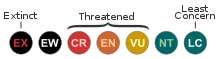
IUCN Red List
Growth: S = slow M = medium F = fast. Soil: L = light (sandy) M = medium H = heavy (clay). pH: A = acid N = neutral B = basic (alkaline). Shade: F = full shade S = semi-shade N = no shade. Moisture: D = dry M = Moist We = wet Wa = water.
Now available:
Food Forest Plants for Mediterranean Conditions
350+ Perennial Plants For Mediterranean and Drier Food Forests and Permaculture Gardens.
[Paperback and eBook]
This is the third in Plants For A Future's series of plant guides for food forests tailored to
specific climate zones. Following volumes on temperate and tropical ecosystems, this book focuses
on species suited to Mediterranean conditions—regions with hot, dry summers and cool, wet winters,
often facing the added challenge of climate change.
Read More
Expert comment
Author
L.
Botanical References
200
Links / References
For a list of references used on this page please go here
Readers comment