Translate this page:
Summary
Thymus vulgaris
Thyme is native to Baleares, France, Italy, and Spain. It is a low-growing shrubby evergreen herb popular in the kitchen and sometimes used as ground cover. It has attractive, edible, fragrant foliage, slightly spicier than oregano and sweeter than sage. The leaves and flowering tops are eaten raw in salads, used as a garnish or added as a flavouring to cooked foods, going exceptionally well with mushrooms and courgettes. The leaves can be fresh or dried and retain their flavour well in long, slow cooking. Harvest stems after three months once the plant is established. Thyme is an essential ingredient of the herb mix 'Bouquet Garni'. Make an aromatic, savoury and spicy tea from fresh or dried leaves. Common thyme has a very long history of folk use for a wide range of ailments. The Silver Queen cultivar with white-margined leaves has gained the Royal Horticultural Society's Award of Garden Merit. Common thyme flowers are rich in nectar and attractive to honey bees. Common thyme is an excellent companion for most plants. Harvest all year. Other notable Thymes include Lemon Thyme (T. x citriodorus), a creeping plant making good ground cover, and Wild Thyme (T. serpyllum), which tolerates light treading and grows well between stepping stones on paths and in walls.
Bloom Color: Lavender. Main Bloom Time: Early summer, Late summer, Mid summer. Form: Rounded.
Physical Characteristics

 Thymus vulgaris is an evergreen Shrub growing to 0.2 m (0ft 8in) by 0.3 m (1ft) at a medium rate.
See above for USDA hardiness. It is hardy to UK zone 7 and is not frost tender. It is in leaf all year, in flower from June to August. The species is hermaphrodite (has both male and female organs) and is pollinated by Bees, flies, Lepidoptera (Moths & Butterflies). The plant is self-fertile.
It is noted for attracting wildlife.
Suitable for: light (sandy) and medium (loamy) soils, prefers well-drained soil and can grow in nutritionally poor soil. Suitable pH: neutral and basic (mildly alkaline) soils. It cannot grow in the shade. It prefers dry or moist soil. The plant can tolerates strong winds but not maritime exposure.
UK Hardiness Map
US Hardiness Map
Synonyms
Origanum thymus Kuntze. Thymus collinus Salisb. [Illegitimate] .
Plant Habitats
Ground Cover; Cultivated Beds; East Wall. In. South Wall. In. West Wall. In.
Edible Uses
Edible Parts: Flowers Leaves Shoots
Edible Uses: Condiment Tea
Leaves and flowering tops - raw in salads, used as a garnish or added as a flavouring to cooked foods, going especially well with mushrooms and courgettes[2, 4, 21, 46, 183, 238]. It is an essential ingredient of the herb mix 'bouquet garni'[238]. It retains its flavour well in long slow cooking[200]. The leaves can be used either fresh or dried[183]. If the leaves are to be dried, the plants should be harvested in early and late summer just before the flowers open and the leaves should be dried quickly[200]. A nutritional analysis is available[218]. An aromatic tea is made from the fresh or dried leaves[21, 183]. Pungent and spicy[183].
References More on Edible Uses
| Composition
|
| Figures in grams (g) or miligrams (mg) per 100g of food.
|
|
|
Leaves (Dry weight)
|
|
- 276 Calories per 100g
- Water : 7.8%
- Protein: 9.1g; Fat: 7.4g; Carbohydrate: 63.9g; Fibre: 18.6g; Ash: 11.7g;
- Minerals - Calcium: 1890mg; Phosphorus: 201mg; Iron: 123.6mg; Magnesium: 220mg; Sodium: 55mg; Potassium: 814mg; Zinc: 6.2mg;
- Vitamins - A: 3800mg; Thiamine (B1): 0.51mg; Riboflavin (B2): 0.4mg; Niacin: 4.94mg; B6: 0mg; C: 0mg;
- Reference: [ 218]
- Notes:
|
|
Medicinal Uses
Plants For A Future can not take any responsibility for any adverse effects from the use of plants. Always seek advice from a professional before using a plant medicinally.
Anthelmintic Antiseptic Antispasmodic Aromatherapy Carminative Deodorant Diaphoretic Disinfectant
Expectorant Sedative Tonic
Common thyme has a very long history of folk use for a wide range of ailments[218]. It is very rich in essential oils and these are the active ingredients responsible for most of the medicinal properties[218]. In particular, thyme is valued for its antiseptic and antioxidant properties, it is an excellent tonic and is used in treating respiratory diseases and a variety of other ailments[254]. The flowering tops are anthelmintic, strongly antiseptic, antispasmodic, carminative, deodorant, diaphoretic, disinfectant, expectorant, sedative and tonic[4, 7, 21, 200, 218]. The plant is used internally in the treatment of dry coughs, whooping cough, bronchitis, bronchial catarrh, asthma, laryngitis, indigestion, gastritis and diarrhoea and enuresis in children[238]. It should not be prescribed for pregnant women[238]. Externally, it is used in the treatment of tonsillitis, gum diseases, rheumatism, arthritis and fungal infections[238]. The plant can be used fresh at any time of the year, or it can be harvested as it comes into flower and either be distilled for the oil or dried for later use[238]. Thyme has an antioxidant effect, thus regular use of this herb improves the health and longevity of individual body cells and therefore prolongs the life of the body[254, K]. The essential oil is strongly antiseptic[4]. The whole herb is used in the treatment of digestive disorders, sore throats, fevers etc[4]. The essential oil is one of the most important oils used in aromatherapy[7, 210]. Its keyword is 'Bacterial'[210]. It is used especially in cases of exhaustion, depression, upper respiratory tract infections, skin and scalp complaints etc[238]. The oil can cause allergic reactions and irritation to the skin and mucous membranes[238].
References More on Medicinal Uses
The Bookshop: Edible Plant Books
Our Latest books on Perennial Plants For Food Forests and Permaculture Gardens in paperback or digital formats.

Edible Tropical Plants
Food Forest Plants for Hotter Conditions: 250+ Plants For Tropical Food Forests & Permaculture Gardens.
More

Edible Temperate Plants
Plants for Your Food Forest: 500 Plants for Temperate Food Forests & Permaculture Gardens.
More

More Books
PFAF have eight books available in paperback and digital formats. Browse the shop for more information.
Shop Now
Other Uses
Deodorant Disinfectant Essential Fungicide Pot-pourri Repellent
Agroforestry uses:
Thyme can be used as a ground cover and is beneficial for attracting pollinators. Its aromatic properties may also repel certain pests, making it a useful companion plant in gardens.
An essential oil from the leaves is frequently used in perfumery, soaps, toothpastes, mouthwashes, medicinally etc[11, 21, 57, 89, 238]. It has fungicidal properties[171] and is also used to prevent mildew[218]. The leaves are dried and used in pot-pourri[238]. The plant makes an attractive ground cover for a sunny position[201]. Plants are best spaced about 30cm apart each way[208]. The dried flowers are used to repel moths from clothing[4] whilst the growing plant is said to repel cabbage root fly[18, 20]. 1. Nectary - Flowers rich in nectar and pollen:
Yes – Thyme flowers are rich in nectar and pollen, making them attractive to pollinators like bees and butterflies.
2. Wildlife - Food (Fruit, Seeds, Leaf litter, Shelter, Nesting, Roosting):
Yes – While thyme does not produce significant fruit, its leaves are edible for many herbivores and insects. The dense foliage can also provide shelter for small wildlife.
3. Invertebrate Shelter (Overwintering sites, Leaf litter, Groundcover):
Yes – Thyme can offer shelter for beneficial insects, and its groundcover can protect invertebrates during the winter months.
4. Pest Confuser (Smell):
Yes – The strong aroma of thyme can confuse or repel pests, making it a beneficial companion plant in gardens.
Special Uses
Attracts Wildlife Dynamic accumulator Food Forest Ground cover Scented Plants
References More on Other Uses
Cultivation details
Landscape Uses:Border, Container, Ground cover, Rock garden. Prefers a light, dry calcareous soil and a sunny position[4, 7, 11, 27, 37]. Succeeds in dry soils, poor soils and tolerates drought once it is established[190]. Plants can be grown on old walls. Thymes dislike wet conditions, especially in the winter. A layer of gravel on the soil around them will help protect the foliage from wet soils[238]. Thyme is hardy to about -15°c[200], though it is even hardier when grown on old walls are in well-drained poor light soils[4]. Thyme is commonly grown in the herb garden, there are many named varieties[182]. It is also harvested commercially for its essential oil[218]. The leaves are very aromatic[190]. It is sometimes grown as an annual from seed when used for culinary purposes[200]. The flowers are rich in nectar and are very attractive to honey bees[4, 7, 200]. Thyme is a good companion for most plants[20, 54], it is said to repel cabbage root flies when grown near brassicas[18, 20]. This is a very difficult genus taxonomically, the species hybridize freely with each other and often intergrade into each other[200]. Special Features:
Attractive foliage, Edible, Fragrant foliage, Not North American native. The plant is heat tolerant in zones 9 through 1. (Plant Hardiness Zones show how well plants withstand cold winter temperatures.
Plant Heat Zones show when plants would start suffering from the heat.
The Plant Heat Zone map is based on the number of "heat days" experienced in a given area where the temperature climbs to over 86 degrees F (30°C).
At this temperature, many plants begin to suffer physiological damage. Heat Zones range from 1 (no heat days) to 12 (210 or more heat days).
For example Heat Zone. 11-1 indicates that the plant is heat tolerant in zones 11 through 1.) For polyculture design as well as the above-ground architecture (form - tree, shrub etc. and size shown above) information on the habit and root pattern is also useful and given here if available. A clumping mat former. Forming a dense prostrate carpet with a limited spread [1-2]. The root pattern is a tap root similar to a carrot going directly down [1-2]. Common thyme is primarily self-pollinating. This means it can fertilize itself without relying on pollen from another plant. Thyme is typically harvested in late spring to early summer, just before the plant flowers for the best flavor.
Thyme usually flowers in late spring to early summer, generally from June to August (Northern Hemisphere). Thyme is considered a slow to moderate grower, reaching maturity in about 1 to 2 years under optimal conditions.
References Carbon Farming Information and Carbon Sequestration Information
Temperature Converter
Type a value in the Celsius field to convert the value to Fahrenheit:
Fahrenheit:
The PFAF Bookshop
Plants For A Future have a number of books available in paperback and digital form. Book titles include Edible Plants, Edible Perennials, Edible Trees,Edible Shrubs, Woodland Gardening, and Temperate Food Forest Plants. Our new book is Food Forest Plants For Hotter Conditions (Tropical and Sub-Tropical).
Shop Now
Plant Propagation
Seed - sow spring in a cold frame. Seed can also be sown in autumn in a greenhouse. Surface sow or barely cover the seed. Germination can be erratic. When they are large enough to handle, prick the seedlings out into individual pots and grow them on in the greenhouse for at least their first winter. Plant them out into their permanent positions in late spring or early summer, after the last expected frosts. The seed can keep for three years in normal storage[4]. Division in spring or autumn[200]. Larger divisions can be planted out direct into their permanent positions. We have found that it is best to pot up smaller divisions and grow them on in light shade in a greenhouse or cold frame until they are growing away well. Plant them out in the summer or the following spring. Cuttings of young shoots, 5 - 8cm with a heel, May/June in a frame[200]. Cuttings of half-ripe wood, 5 - 8cm with a heel, July/August in a frame[200]. Layering.
Other Names
If available other names are mentioned here
Samon-phyu, Timo, Tomillo, Thym, Common thyme, German thyme, Garden thyme, Thyme
Native Range
EUROPE: Italy (southeast), Spain (incl. Baleares), France (s. & Corsica), AFRICA: Morocco.
Weed Potential
Right plant wrong place. We are currently updating this section.
Please note that a plant may be invasive in one area but may not in your area so it's worth checking.
Conservation Status
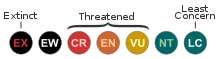
IUCN Red List of Threatened Plants Status :
Growth: S = slow M = medium F = fast. Soil: L = light (sandy) M = medium H = heavy (clay). pH: A = acid N = neutral B = basic (alkaline). Shade: F = full shade S = semi-shade N = no shade. Moisture: D = dry M = Moist We = wet Wa = water.
Now available:
Food Forest Plants for Mediterranean Conditions
350+ Perennial Plants For Mediterranean and Drier Food Forests and Permaculture Gardens.
[Paperback and eBook]
This is the third in Plants For A Future's series of plant guides for food forests tailored to
specific climate zones. Following volumes on temperate and tropical ecosystems, this book focuses
on species suited to Mediterranean conditions—regions with hot, dry summers and cool, wet winters,
often facing the added challenge of climate change.
Read More
Expert comment
Author
L.
Botanical References
11200
Links / References
For a list of references used on this page please go here
Readers comment
© 2010, Plants For A Future. Plants For A Future is a charitable company limited by guarantee, registered in England and Wales. Charity No. 1057719, Company No. 3204567.