Translate this page:
Summary
Rosmarinus officinalis,
Rosemary is known for its aromatic leaves and flowers, which are used as a flavouring in various dishes. The young shoots, leaves, and flowers can be eaten raw or cooked. The leaves have a strong, bitter, and resinous flavour, making them best suited for small quantities to flavour soups, stews, vegetables, and even sweet dishes like cakes, jams, and jellies. The flowers are milder in flavour compared to the leaves. The leaves are often used fresh or dried and chopped finely due to their tough texture. Alternatively, rosemary sprigs are added during cooking and removed before serving. A fragrant tea is made from fresh or dried leaves, often mixed with other herbs like tansy.
Rosemary is a popular herb that boosts mood and alleviates mental fatigue. It is used as a tonic to combat nervousness, depression, and mental exhaustion. Studies show that rosemary is rich in volatile oils, flavonoids, and phenolic acids, which have antiseptic and anti-inflammatory properties.
Rosemary thrives in hot, sunny locations with well-drained, light, alkaline soils. It prefers dry conditions and is intolerant of heavy, saturated soils and excessive winter moisture. It grows well in stony, calcareous soils, producing smaller, more fragrant plants. Rosemary tolerates salt spray and can grow in maritime environments. It is hardy down to temperatures between -10°C and -15°C. It is bee-friendly, producing pollen early in the year and attracting butterflies.
Rosemary is native to the Mediterranean region, including Albania, Italy, Spain, France, Greece, Turkey, and North Africa. It has been introduced into regions such as the Azores, Bermuda, Canary Islands, Great Britain, Mexico, Texas, and Trinidad and Tobago.
Harvesting: Leaves are harvested year-round but are best harvested in spring or early summer when the plant is actively growing. Flowers in spring to early summer. Bloom Color: Blue. Main Bloom Time: Early summer, Late summer, Late spring, Late winter, Mid summer, Mid spring. Form: Rounded.
Physical Characteristics

 Rosmarinus officinalis is an evergreen Shrub growing to 1.5 m (5ft) by 1.5 m (5ft) at a medium rate.
See above for USDA hardiness. It is hardy to UK zone 6 and is not frost tender. It is in leaf all year, in flower from March to October, and the seeds ripen from August to October. The species is hermaphrodite (has both male and female organs) and is pollinated by Bees. The plant is self-fertile.
It is noted for attracting wildlife.
Suitable for: light (sandy) and medium (loamy) soils and prefers well-drained soil. Suitable pH: mildly acid, neutral and basic (mildly alkaline) soils and can grow in very alkaline soils.
It cannot grow in the shade. It prefers dry or moist soil and can tolerate drought. The plant can tolerate maritime exposure.
UK Hardiness Map
US Hardiness Map
Synonyms
Rosmarinus officinalis subsp. laxiflorus (Noë ex Lange) Nyman
Plant Habitats
Woodland Garden Sunny Edge; Dappled Shade; Ground Cover; Hedge; Cultivated Beds;
Edible Uses
Edible Parts: Flowers Leaves Shoots
Edible Uses: Condiment Tea
Young shoots, leaves and flowers - raw or cooked. The leaves have a very strong flavour that is bitter and somewhat resinous[238], the flowers are somewhat milder. They are used in small quantities as a flavouring in soups and stews, with vegetables such as peas and spinach, and with sweet dishes such as biscuits cakes, jams and jellies[1, 2, 9, 15, 27, 52, 244]. They can be used fresh or dried[21].The leaves have a tough texture and so should either be used very finely chopped, or in sprigs that can be removed after cooking[238]. A fragrant tea is made from the fresh or dried leaves[21, 183]. It is said to be especially nice when mixed with tansy[183].
References More on Edible Uses
Medicinal Uses
Plants For A Future can not take any responsibility for any adverse effects from the use of plants. Always seek advice from a professional before using a plant medicinally.
Antiseptic Antispasmodic Appetizer Aromatherapy Aromatic Astringent Cardiac Carminative
Cholagogue Diaphoretic Emmenagogue Nervine Ophthalmic Stimulant Stomachic
Tonic
Rosemary is commonly grown in the herb garden as a domestic remedy, used especially as a tonic and pick-me-up when feeling depressed, mentally tired, nervous etc[238]. Research has shown that the plant is rich in volatile oils, flavanoids and phenolic acids, which are strongly antiseptic and anti-inflammatory[238]. Rosmarinic acid has potential in the treatment of toxic shock syndrome, whilst the flavonoid diosmin is reputedly more effective than rutin in reducing capillary fragility[238]. Rosmarol, an extract from the leaves, has shown remarkably high antioxidant activity[218]. The whole plant is antiseptic, antispasmodic, aromatic, astringent, cardiac, carminative, cholagogue, diaphoretic, emmenagogue, nervine, stimulant, stomachic and tonic[4, 21, 89, 165, 218]. An infusion of the flowering stems made in a closed container to prevent the steam from escaping is effective in treating headaches, colic, colds and nervous diseases[4]. A distilled water from the flowers is used as an eyewash[7]. The leaves can be harvested in the spring or summer and used fresh, they can also be dried for later use[7]. This remedy should not be prescribed for pregnant women since in excess it can cause an abortion[238]. An essential oil distilled from the stems and leaves is often used medicinally, that distilled from the flowering tops is superior but not often available[4]. The oil is applied externally as a rubefacient, added to liniments, rubbed into the temples to treat headaches and used internally as a stomachic and nervine[4]. The essential oil is used in aromatherapy. Its keyword is 'Stimulant'[210]. The German Commission E Monographs, a therapeutic guide to herbal medicine, approve Rosmarinus officinalis Rosemary for rheumatism, dyspeptic complaints, loss of appetite, blood pressure problems (see [302] for critics of commission E).
References More on Medicinal Uses
The Bookshop: Edible Plant Books
Our Latest books on Perennial Plants For Food Forests and Permaculture Gardens in paperback or digital formats.
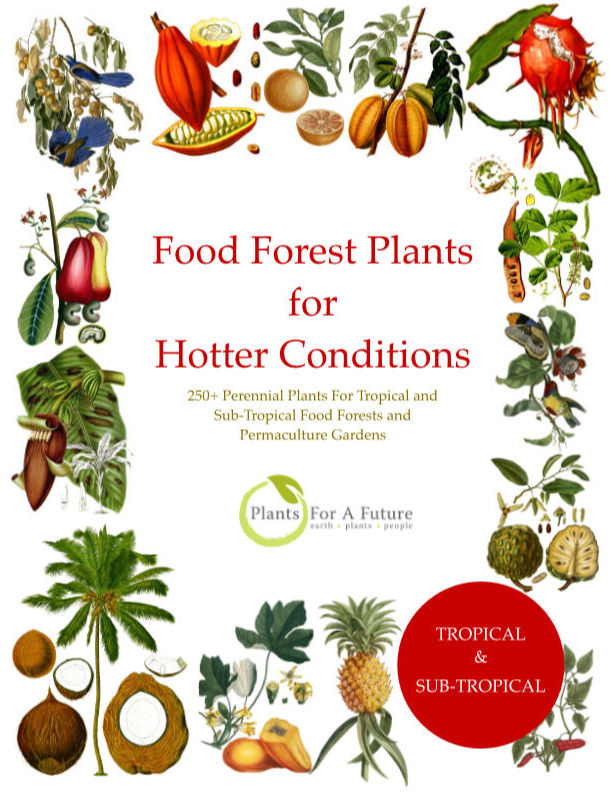
Edible Tropical Plants
Food Forest Plants for Hotter Conditions: 250+ Plants For Tropical Food Forests & Permaculture Gardens.
More
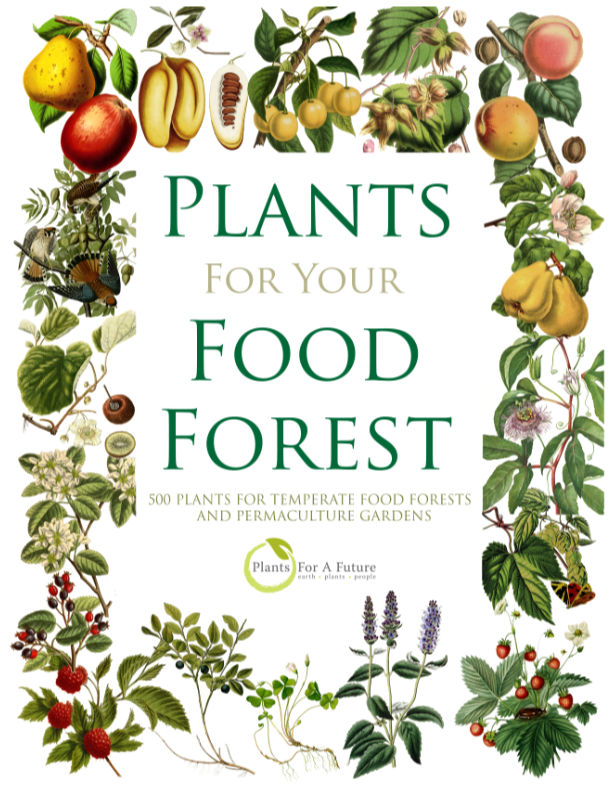
Edible Temperate Plants
Plants for Your Food Forest: 500 Plants for Temperate Food Forests & Permaculture Gardens.
More
More Books
PFAF have eight books available in paperback and digital formats. Browse the shop for more information.
Shop Now
Other Uses
Dye Essential Hair Hedge Hedge Incense Repellent
Agroforestry uses: Rosemary is beneficial in agroforestry for its ability to attract pollinators, improve biodiversity, and serve as a companion plant that can deter pests.
Landscape Uses: Border, Container, Ground cover, Seashore. The growing plant is said to repel insects from neighbouring plants[14, 18, 89, 201]. Branches or sachets of the leaves are often placed in clothes cupboards to keep moths away[148]. An infusion of the dried plant (both leaves and flowers) is used in shampoos[4, 14, 201]. When combined with borax and used cold, it is one of the best hair washes known and is effective against dandruff[4]. An essential oil is obtained from the leaves and flowering stems[11, 57, 89, 171]. One kilo of oil is obtained from 200 kilos of flowering stems[4]. The oil is used in perfumery, soaps, medicinally etc[11, 57, 89, 171]. It is often added to hair lotions and is said to prevent premature baldness[4]. The leaves are burnt as an incense, fumigant and disinfectant[61, 244]. The cultivar 'Prostratus' can be used as a ground cover in a sunny position[188]. This cultivar is the least hardy form of the species[188]. The plant can be grown as a hedge, it is fairly resistant to maritime exposure[49, 75], though when this is coupled with very cold weather the plants can suffer severely[11]. Any trimming is best carried out after the plant has flowered[188]. The cultivar 'Miss Jessopp's Upright' is particularly suitable for hedging[188]. 'Fastigiatus' is also very suitable[K]. A yellow-green dye is obtained from the leaves and flowers[168]. Rosmarinus officinalis 'Prostratus' Creeping rosemary is a perennial groundcover for zone 2 firebreaks. The US government has created a system of firebreaks for areas prone to wildfires, theses are separated into concentric zones surrounding buildings. Zone 2 is the second away from the house. These low-level groundcovers provide little fuel. 1. Nectary - Flowers rich in nectar and pollen:
Yes – Rosemary flowers produce nectar and pollen that attract bees, butterflies, and other pollinators.
2. Wildlife - Food (Fruit, Seeds, Leaf litter, Shelter, Nesting, Roosting):
Yes – While rosemary does not produce fruits or seeds commonly eaten by wildlife, it offers excellent shelter due to its dense foliage, making it suitable for small birds and other animals seeking cover or roosting sites.
3. Invertebrate Shelter (Overwintering sites, Leaf litter, Groundcover):
Yes – The dense, woody stems and leaf litter provide shelter for invertebrates, offering overwintering sites for beneficial insects.
4. Pest Confuser (Smell):
Yes – Rosemary’s strong scent is known to repel certain pests, making it a useful companion plant to confuse or deter unwanted insects.
Special Uses
Attracts Wildlife Food Forest Ground cover Hedge Hedge Scented Plants
References More on Other Uses
Cultivation details
Prefers a hot sunny position and a slightly alkaline light dry soil[11, 14, 27, 37]. Dislikes very heavy soils[11]. Intolerant of excessive winter wet[200]. Likes a stony calcareous soil[200]. Plants are smaller when grown on chalky soils, but are more fragrant[4]. Fairly tolerant of maritime exposure[49, 75] and very tolerant of salt spray[244]. Succeeds in a hot dry position[200]. Hardy to between -10 and -15°c[184], but plants can be damaged or killed in severe winters, old plants are the most susceptible[11]. Rosemary is a polymorphic species that is commonly grown in the ornamental and herb gardens, there are many named varieties[183, 238]. Traditionally, the plant is a symbol of friendship and fidelity and a wreath of it would be worn by a bride to denote love and loyalty[244]. It was also carried at religious ceremonies and funerals in the belief that its pungent scent would ward of disease and evil spirits[244]. The whole plant is highly aromatic[245]. The cultivar 'Corsican Blue' is more aromatic than the type[245]. Very tolerant of pruning, plants can regenerate from old wood[202]. A good bee plant, producing pollen early in the year[7, 24, 89]. A good companion for most plants, including cabbages, beans, carrots and sage[14, 18, 54, 201]. Grows badly with potatoes[201]. Special Features:
Edible, Fragrant foliage, Not North American native, Attracts butterflies, Suitable for dried flowers, Fragrant flowers. The plant is heat tolerant in zones 12 through 8. (Plant Hardiness Zones show how well plants withstand cold winter temperatures.
Plant Heat Zones show when plants would start suffering from the heat.
The Plant Heat Zone map is based on the number of "heat days" experienced in a given area where the temperature climbs to over 86 degrees F (30°C).
At this temperature, many plants begin to suffer physiological damage. Heat Zones range from 1 (no heat days) to 12 (210 or more heat days).
For example Heat Zone. 11-1 indicates that the plant is heat tolerant in zones 11 through 1.) For polyculture design as well as the above-ground architecture (form - tree, shrub etc. and size shown above) information on the habit and root pattern is also useful and given here if available. The plant growth habit is multistemmed with multiple stems from the crown [1-2]. An evergreen. In garden design, as well as the above-ground architecture of a plant, root structure considerations help in choosing plants that work together for their optimal soil requirements including nutrients and water. The root pattern is branching: a heart root, dividing from the crown into several primary roots going down and out [2-1]. Heat Zone 12-8. Rosemary leaves can be harvested year-round, but they are best harvested in spring or early summer when the plant is actively growing.
Rosemary typically flowers in spring to early summer, usually between April and June (Northern Hemisphere) . Rosemary is a moderately fast-growing plant, often reaching maturity in about 2 to 3 years, depending on the growing conditions. Rosemary is generally self-fertile, meaning it can produce seeds with its own pollen.
References Carbon Farming Information and Carbon Sequestration Information
Temperature Converter
Type a value in the Celsius field to convert the value to Fahrenheit:
Fahrenheit:
The PFAF Bookshop
Plants For A Future have a number of books available in paperback and digital form. Book titles include Edible Plants, Edible Perennials, Edible Trees,Edible Shrubs, Woodland Gardening, and Temperate Food Forest Plants. Our new book is Food Forest Plants For Hotter Conditions (Tropical and Sub-Tropical).
Shop Now
Plant Propagation
Seed - sow spring in a cold frame or greenhouse. Germination can be slow. Prick out the seedlings into individual pots when they are large enough to handle and grow on in a greenhouse or cold frame for their first winter. Plant out in late spring or early summer. Cuttings of half-ripe wood, 10 - 18 cm with a heel, July/August in a frame or shady border[4]. Very easy, they usually root within 3 weeks[K]. It is best to give the plants some protection for their first winter and then plant them out into their permanent positions in late spring or early summer. Cuttings of young shoots in spring in a frame[15]. They usually root well within 3 weeks, prick them out into individual pots and plant them out during the summer. Layering in summer[1].
Other Names
If available other names are mentioned here
Native Range
TEMPERATE ASIA: Turkey,Cyprus. EUROPE: Former Yugoslavia, Greece, Italy (incl. Sardinia, Sicily), Spain (incl. Baleares), France (incl. Corsica), Portugal, AFRICA: Spain, Canarias, Portugal, Madeira Islands, Algeria (north), Libya (north), Morocco, Tunisia.
Weed Potential
Right plant wrong place. We are currently updating this section.
Please note that a plant may be invasive in one area but may not in your area so it's worth checking.
None Known
Conservation Status
IUCN Red List of Threatened Plants Status :
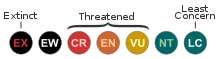
Growth: S = slow M = medium F = fast. Soil: L = light (sandy) M = medium H = heavy (clay). pH: A = acid N = neutral B = basic (alkaline). Shade: F = full shade S = semi-shade N = no shade. Moisture: D = dry M = Moist We = wet Wa = water.
Now available:
Food Forest Plants for Mediterranean Conditions
350+ Perennial Plants For Mediterranean and Drier Food Forests and Permaculture Gardens.
[Paperback and eBook]
This is the third in Plants For A Future's series of plant guides for food forests tailored to
specific climate zones. Following volumes on temperate and tropical ecosystems, this book focuses
on species suited to Mediterranean conditions—regions with hot, dry summers and cool, wet winters,
often facing the added challenge of climate change.
Read More
Expert comment
Author
L.
Botanical References
1150200
Links / References
For a list of references used on this page please go here
Readers comment