Translate this page:
Summary
Indianpipe is a remarkable perennial wildflower that appears almost ghostlike on the forest floor. Its translucent white stems, reduced, scale-like leaves, and solitary, nodding flowers make it look more like a fungus than a conventional flowering plant. Unlike most plants, Indianpipe contains no functional chlorophyll and does not depend directly on sunlight for energy. Instead, it obtains carbon and nutrients through specialized relationships with fungi associated with the roots of living trees. This makes Indianpipe a fully mycoheterotrophic plant. The plant typically grows in shaded forests with deep leaf litter and humus-rich soil. It is especially associated with mature woodlands where suitable fungi and host trees occur together. Indianpipe usually produces a single, waxy, bell-shaped flower on each stem. The flower initially hangs downward, giving the plant its characteristic curved appearance. As the fruit develops, the stem becomes more upright. Although most Indianpipe plants are white, some populations have pinkish or reddish coloring. After flowering, the stems commonly darken as the tissues age and dry. Field notes group Indianpipe with American pinesap and report that both plants have been described as edible fresh or cooked. Both contain harmful compounds and are advised to be cooked. Indianpipe should be regarded as a plant with reported historical edible uses but insufficient evidence to recommend consumption. Its greatest value is ecological and botanical. Indianpipe provides a fascinating example of the relationships between flowering plants, fungi, and forest trees.
Physical Characteristics

 Monotropa uniflora is a PERENNIAL growing to 0.3 m (1ft) by 0.3 m (1ft in).
See above for USDA hardiness. It is hardy to UK zone 4. It is in flower from July to September. The species is hermaphrodite (has both male and female organs) and is pollinated by Insects.
Suitable for: medium (loamy) and heavy (clay) soils. Suitable pH: mildly acid, neutral and basic (mildly alkaline) soils. It can grow in full shade (deep woodland) or semi-shade (light woodland). It prefers moist soil.
UK Hardiness Map
US Hardiness Map
Synonyms
Homotypic Synonyms: Hypopitys uniflora (L.) Crantz. Monotropa uniflora var. typica Domin. Heterotypic Synonyms: Monotropa morisoniana Michx. Monotropa morisonii Pers. Monotropa uniflora f. rosea Fosberg.
Plant Habitats
Woodland Garden Dappled Shade; Shady Edge; not Deep Shade;
Edible Uses
Edible Parts: Leaves
Edible Uses:
Indianpipe is one of the most remarkable flowering plants found in temperate forests. Its translucent white stems, solitary nodding flowers and lack of chlorophyll make it immediately recognisable. Unlike ordinary green plants, Indianpipe obtains carbon and nutrients through specialised fungal relationships connected to living trees. This dependence makes it extremely difficult to cultivate and closely tied to the ecological conditions of its forest habitat. Although historical accounts describe the plant as edible fresh or cooked, PFAF field notes warn that it contains harmful compounds. No reliable safe preparation method has been established, and consumption is not recommended. Its ecological and educational value is considerably greater than its potential food value [2-3]. Reported edible part: Fleshy above-ground flowering shoots [2-3]. Recommendation: Consumption is not advised. Indianpipe has been described as edible in some historical wild-food accounts. The fleshy stems and flowers are the parts most commonly associated with these reports. Indianpipe and American pinesap contain harmful compounds [2-3]. Foraging notes recommend cooking but do not identify the compounds involved, provide a safe serving size or demonstrate that cooking reliably removes the risks [2-3]. The plant's soft, succulent appearance is not evidence of food safety. Flowering Shoots: The flowering shoots are the most conspicuous part of Indianpipe. They are fleshy, usually translucent white, and typically between 10 and 30 cm tall, although smaller and larger plants occur. Historical accounts have described the shoots as edible, but reliable evidence supporting their safety is limited. For PFAF users, these reports should be recorded as historical information rather than practical food recommendations [2-3]. Flowers: Each stem normally produces one flower. The flowers are fleshy and have been included in reports of whole-shoot consumption. However, their safety as a separate edible part has not been established. Underground Structures: Indianpipe has specialised underground structures associated with its fungal partners. These structures are essential to its survival and should not be disturbed or harvested. There is no reliable basis for recommending them as food [2-3]. Edibility Rating: 1 out of 5 – Not recommended for consumption. Indianpipe receives a low edibility rating because its reported food uses are accompanied by substantial safety uncertainties. No reliable safe preparation method or appropriate serving size has been established. The plant is also ecologically specialised, difficult to cultivate and often locally uncommon or unpredictable in its appearance. Harvesting can damage its underground structures and associated fungal relationships. A rating of 1/5 reflects the lack of an established safe culinary use and the limited practical value of the plant as food. It should not be interpreted as proof that every part of Indianpipe is poisonous in every quantity [2-3]. Taste and Preparation: Field notes do not provide a direct assessment of Indianpipe's flavour [2-3]. Raw Consumption: Raw consumption has been reported in some historical accounts. Field notes warn that Indianpipe contains harmful compounds [2-3]. Raw consumption is not recommended. Cooked Consumption: Field notes advise cooking Indianpipe rather than consuming it fresh. However, they do not identify a particular cooking method or establish that boiling, steaming or other preparation techniques reliably eliminate potentially harmful substances [2-3]. Cooking should not be presented as a proven method of making Indianpipe safe to eat. Herbal Preparations: Indianpipe has also appeared in traditional herbal literature. However, historical medicinal use does not establish safety or effectiveness. Concentrated tinctures, extracts and infusions should not be assumed safe. No culinary or medicinal preparation is recommended for PFAF. Seasonality: Indianpipe is a perennial, but its visible flowering shoots appear only during suitable growing conditions. Flowering generally occurs during summer and early autumn, although timing varies considerably with geographical location, elevation, rainfall and temperature. In eastern North America, flowering is often associated with warm, moist conditions during summer. In some regions, flowering shoots may appear following periods of rainfall. The plant can remain hidden beneath the forest floor for much of the year. Its absence above ground does not necessarily indicate that the underground organism has died. Flowering stems initially emerge with their flowers nodding downward. After pollination, the flowers and developing fruit capsules gradually become more upright. The capsules eventually release numerous tiny seeds. Traditional Uses: Indianpipe has attracted considerable attention in historical ethnobotanical and herbal literature because of its unusual appearance and lack of green foliage. Various medicinal uses have been reported, including preparations associated with pain and nervous-system complaints. However, specific uses should be attributed to named communities and documented sources rather than presented as practices shared by all Indigenous peoples. We have not established that the plant is safe or effective for any medical condition. For PFAF users, historical uses should be described cautiously and clearly distinguished from modern evidence of safety and effectiveness. Indianpipe is particularly interesting because it demonstrates how traditional botanical knowledge and modern ecological research can examine the same plant from very different perspectives. Safety: Consumption is not recommended. Indianpipe and American pinesap contain harmful compounds. Reliable information about safe serving sizes and preparation methods is limited. Uncertain Toxicity: Indianpipe has been reported as edible in historical accounts, but these reports do not establish its safety. The absence of documented adverse effects in a particular account should not be interpreted as proof of safety. Cooking Does Not Guarantee Safety: We have not established that cooking reliably removes potentially harmful compounds. No verified boiling time or other preparation method can be recommended as making the plant safe. Raw Consumption: Raw consumption is not recommended. The plant's soft, translucent tissues do not indicate that it is harmless. Medicinal Preparations: Indianpipe has been used in traditional herbal preparations, including tinctures. However, the safety and effectiveness of these preparations have not been established through adequate clinical evidence. Concentrated extracts should not be assumed safe. Harvesting Concerns: Indianpipe is difficult to cultivate and depends on specialized underground fungal relationships. Harvesting wild plants can damage their underground structures. For this reason, avoid unnecessary collection. The whole plant can be cooked[177]. It is tasteless if eaten raw, but has a taste like asparagus when it is cooked[105].
References More on Edible Uses
Medicinal Uses
Plants For A Future can not take any responsibility for any adverse effects from the use of plants. Always seek advice from a professional before using a plant medicinally.
Antibacterial Antispasmodic Epilepsy Febrifuge Hypnotic Nervine Odontalgic Ophthalmic
Sedative Tonic Warts
Indianpipe has appeared in traditional herbal literature. However, historical medicinal use does not establish safety or effectiveness. Concentrated tinctures, extracts, and infusions should not be assumed safe. No culinary or medicinal preparation is recommended by PFAF. An infusion of the root is antispasmodic, hypnotic, nervine, sedative, tonic[21, 192, 222]. It is a good remedy for spasms, fainting spells and various nervous conditions[207]. It has been given to children who suffer from fits, epilepsy and convulsions[257]. The plant was used by some native North American Indian tribes to treat eye problems, the stem was bruised and the clear fluid of the stems applied to the eyes[213, 257]. The juice from the stems has also been used to treat nervous irritability, including fits and spasms[192]. It has been suggested in the past as a possible opium substitute[192]. An infusion of the leaves has been used to treat colds and fevers[257]. The crushed plant has been rubbed on bunions and warts in order to destroy them[257]. A poultice of the plant has been applied to sores that are difficult to heal[257]. The flowers have been chewed in order to bring relief from toothache[257]. Water extracts of the plant are bactericidal[222].
References More on Medicinal Uses
Other Uses
Indianpipe is best appreciated in its natural forest habitat. Its unusual appearance makes it a fascinating subject for photography, ecological education and botanical observation. Rather than attempting to cultivate it directly, gardeners can support woodland biodiversity by protecting native trees, maintaining leaf litter and minimizing unnecessary soil disturbance. Wildlife Value: Indianpipe contributes to forest biodiversity through its specialized relationships with fungi and trees. Its unusual nutritional strategy demonstrates the complexity of underground ecological networks. Pollinators Indianpipe flowers can attract insect visitors, including bees. The flowers contain reproductive structures typical of flowering plants, despite lacking chlorophyll. However, specific pollinator relationships vary geographically. Fungal Relationships: Indianpipe is closely associated with mycorrhizal fungi. These relationships are central to its survival and connect the plant indirectly to living trees. The species provides an important example of how fungi can support organisms that do not photosynthesize. Forest Biodiversity: Indianpipe contributes to the diversity of flowering plants within forest ecosystems. Its presence reflects suitable ecological relationships among trees, fungi, and specialized plants. However, it should not be treated as a universal indicator of forest health. Wildlife Food: Specific wildlife species that regularly consume Indianpipe have not been established in this assessment. It should therefore not be described as an important wildlife food plant without supporting evidence.
Special Uses
References More on Other Uses
Cultivation details
Indianpipe requires a specialized forest environment containing suitable mycorrhizal fungi and living host trees. Unlike ordinary garden plants, its survival cannot be understood simply in terms of sunlight, soil fertility, and watering. Light: Deep shade to partial shade. Indianpipe is usually found on shaded forest floors. Because it lacks chlorophyll and does not photosynthesize, it does not require direct sunlight to produce energy. However, the surrounding trees depend on sunlight, and their health influences the fungal relationships that support Indianpipe. Soil: Humus-rich forest soil with an established fungal community. Indianpipe is associated with woodland soils containing decomposing leaves, organic matter, and suitable mycorrhizal fungi. It may grow beneath conifers, hardwoods, or mixed forest vegetation. The presence of suitable fungal partners is more important than any single soil texture. A reliable species-wide optimum soil pH has not been established. Moisture: Indianpipe commonly occurs in forests where soil moisture is sufficient to support its fungal partners. Flowering may be particularly noticeable after rainfall. However, the species occurs across a broad range of climates, and moisture requirements vary geographically. It should not be assumed to require permanently saturated soil. Nutrients: Indianpipe obtains carbon and nutrients through specialized relationships with fungi. These fungi are associated with the roots of living trees. The plant therefore depends indirectly on the photosynthesis of surrounding vegetation. Ordinary fertilizers cannot replace these relationships. Fungal Relationships: Indianpipe is a fully mycoheterotrophic plant. Research has associated it particularly with fungi in the Russulaceae, including members of the genus Russula. These fungi form mycorrhizal relationships with trees. Indianpipe obtains carbon and nutrients through the fungal network, making it indirectly dependent on the trees. This relationship explains why the plant cannot be grown successfully in ordinary potting compost. Habitat: Indianpipe has a remarkably broad distribution. Kew's Plants of the World Online recognizes it as native across parts of North America and Asia, extending from Canada to Mexico and from the Himalayas to East Asia and Japan. Eastern North America: Indianpipe is particularly familiar in the forests of eastern North America. It occurs in deciduous, coniferous and mixed woodlands, including forests containing oaks, beeches, maples and pines. The plant often emerges from leaf litter in shaded locations. Western North America: Indianpipe also occurs in suitable western North American forests, although its distribution is more restricted and localized than in many eastern regions. It may be found in moist coniferous or mixed forest habitats where compatible fungal partners occur. Asian Forests: The species also occurs in parts of East Asia and the Himalayan region. Its broad distribution demonstrates that the necessary fungal relationships can develop in several different forest ecosystems. Tropical Mountain Forests: World Flora Online describes occurrences in moist forests of pine, fir, and oak in parts of the Neotropics, including mountain habitats between approximately 950 and 3,400 meters elevation. These populations illustrate that Indianpipe is not restricted to cool northern forests, although it generally requires suitable woodland conditions. Cultivation: Not recommended for ordinary cultivation. Indianpipe is extremely difficult to cultivate because it depends entirely on specialized fungal relationships. It cannot simply be grown from seed in conventional potting compost. Even woodland soil containing abundant organic matter may not have the correct fungal partners. Successful establishment requires compatible fungi connected to appropriate living trees. These relationships must remain functional over time. Providing shade, water, and nutrients alone is insufficient. Transplanting: Transplanting wild Indianpipe plants is not recommended. The visible flowering stems represent only a small part of the organism. Digging them up can damage underground structures and disrupt essential fungal connections. Even if a transplanted stem initially appears healthy, it is unlikely to establish successfully without the appropriate fungal network. Garden Value: Indianpipe is best appreciated in its natural forest habitat. Its unusual appearance makes it a fascinating subject for photography, ecological education and botanical observation. Rather than attempting to cultivate it directly, gardeners can support woodland biodiversity by protecting native trees, maintaining leaf litter and minimizing unnecessary soil disturbance. These practices may benefit mycorrhizal fungi and other specialized forest organisms, although they do not guarantee that Indianpipe will establish. Growth Rate: Growth rate: Unknown. Indianpipe has an unusual growth pattern because much of its existence takes place underground. The plant can remain hidden for extended periods before producing flowering shoots. When conditions are favorable, these shoots may emerge and develop relatively quickly. However, the rapid appearance of a flowering stem does not necessarily indicate that the underground organism is growing rapidly. Establishment and development depend on the availability and condition of compatible fungi. Mature Size: Height: Usually 5–30 cm (2–12 inches). Indianpipe is a relatively small perennial plant. Its visible flowering stems are generally upright or curved, with a single nodding flower at the tip. The stems are fleshy and usually translucent white. Spread: Not reliably established. Indianpipe does not form conventional leafy clumps or spreading ground cover. Several flowering stems may emerge close together from an established underground system. However, the spacing of these stems does not reliably indicate the full extent of the underground organism. Identification: Indianpipe is one of the easiest woodland plants to recognize because of its unusual appearance. It produces translucent white or occasionally pinkish flowering stems with a single nodding flower. Growth Form: Indianpipe is a non-green perennial. The visible flowering shoots are usually 5–30 cm tall. Each stem is fleshy, relatively thick and generally unbranched. Colour: The plant is usually translucent white. Some individuals have pinkish or reddish coloring. As the plant ages, the tissues may become darker, particularly after flowering. Stems: The flowering stems are generally smooth and waxy in appearance. They often emerge curved, with the flower hanging downward. As the fruit develops, the stem becomes more upright. Leaves: Indianpipe lacks ordinary green leaves. Instead, small, scale-like bracts occur along the flowering stem. These scales do not carry out normal photosynthesis. Flowers: Each flowering stem normally produces a single flower. This is the most important feature distinguishing Indianpipe from American pinesap. The flower is bell-shaped to cylindrical and initially nods downward. It usually has four or five sepals and approximately three to six petals. The petals are often white or pinkish and may be hairy on their inner surfaces. The flower contains multiple stamens and a superior ovary. World Flora Online describes solitary flowers with a cylindrical corolla and a stout style. Fruits: After flowering, the stem becomes more upright. The fruit develops into a capsule containing numerous tiny seeds. The capsules eventually dry and release the seeds. Underground Structures: Indianpipe has specialized underground structures associated with its fungal partners. These structures are essential to its survival. They should not be disturbed unnecessarily. Similar Species: American Pinesap (Monotropa hypopitys): American pinesap is the most important species for comparison. Both plants are non-green, fully mycoheterotrophic members of Ericaceae. However, American pinesap produces several flowers along each flowering stalk, while Indianpipe normally produces a single flower. American pinesap is often yellow, orange, pink, red, or brown, whereas Indianpipe is usually translucent white. The number of flowers per stem is generally the easiest distinguishing feature. Snow Plant (Sarcodes sanguinea): Snow plant is another unusual, non-green member of Ericaceae. It produces striking bright red flowering shoots in western North American coniferous forests. However, snow plant has a dense, robust inflorescence with numerous flowers. Indianpipe is generally smaller and produces a single flower on each stem. Pinedrops (Pterospora andromedea): Pinedrops is another mycoheterotrophic woodland plant. It generally produces taller flowering stems with numerous small flowers. Its growth habit differs considerably from the compact, solitary-flowered stems of Indianpipe. Other Non-Green Woodland Plants: Several other woodland plants lack chlorophyll and obtain nutrients through fungi. These plants may superficially resemble Indianpipe, particularly when emerging from forest litter. However, their floral structures, colors and growth habits can usually distinguish them. Correct identification should be based on reproductive structures rather than color alone. Important Botanical Note: Indianpipe Is Not a Fungus Indianpipe is frequently mistaken for a fungus because it lacks green leaves and emerges from the forest floor as a pale, fleshy structure. However, Indianpipe is a flowering plant, not a fungus. It produces true flowers, pollen, fruits, and seeds. Its unusual appearance results from its loss of photosynthesis and dependence on fungi for nutrition. The plant is fully mycoheterotrophic. It obtains carbon and nutrients through fungi that form mycorrhizal relationships with living trees. This makes Indianpipe indirectly dependent on the photosynthesis of surrounding vegetation. The older term saprophyte is sometimes encountered in historical botanical literature, but it does not accurately describe the plant's nutritional strategy. Important Taxonomic Note: Kew's Plants of the World Online currently recognises ** Monotropa uniflora L.** as an accepted scientific name. It lists Hypopitys uniflora (L.) Crantz and several other historical names as synonyms.
References Carbon Farming Information and Carbon Sequestration Information
Temperature Converter
Type a value in the Celsius field to convert the value to Fahrenheit:
Fahrenheit:
Plant Propagation
Specialized; dependent on compatible fungi. This is going to be an exceedingly difficult plant to propagate. The seed will need to be sown close to its host plant, so one way would be to sow it in the leaf litter under established beech or coniferous trees[1]. Alternatively, you could try sowing the seed in a cold frame in a pot that already contains a potential host plant. If successful, grow the young plant on in the cold frame for a couple of years before planting it out close to an established beech or coniferous tree.
Other Names
If available other names are mentioned here
Indian pipe, ghost pipe, ghost plant, corpse plant, fairy smoke
Native Range
TEMPERATE ASIA: China (Anhui Sheng, Gansu Sheng, Guizhou Sheng, Hubei Sheng, Hunan Sheng, Jiangxi Sheng, Qinghai Sheng, Shaanxi Sheng, Shanxi Sheng, Sichuan Sheng, Xizang Zizhiqu, Yunnan Sheng, Zhejiang Sheng), Japan (Hokkaidô (south), Honshu, Kyushu, Shikoku), Taiwan TROPICAL ASIA: Bhutan, India, Nepal, Vietnam NORTHERN AMERICA: United States (Alaska, Connecticut, Indiana, Maine, Massachusetts, Michigan, New Hampshire, New Jersey, New York, Ohio, Pennsylvania, Rhode Island, Vermont, West Virginia, Iowa, Kansas, Minnesota, Missouri, Nebraska, North Dakota, Illinois, Oklahoma, Wisconsin, Idaho, Montana, Oregon, Washington, Alabama, Arkansas, Florida, Georgia, Kentucky, Louisiana, Maryland, Mississippi, North Carolina, South Carolina, Tennessee, Virginia, Texas, California), Canada (Québec, Nova Scotia, Ontario, Prince Edward Island, New Brunswick, Newfoundland and Labrador, Saskatchewan, Alberta, Manitoba, British Columbia), Mexico (Chiapas SOUTHERN AMERICA: Costa Rica, Honduras, Nicaragua, Panama, Colombia
Weed Potential
Right plant wrong place. We are currently updating this section.
Please note that a plant may be invasive in one area but may not
in your area so it's worth checking.
Very low. Indianpipe is not an agricultural or garden weed. Its dependence on specialized fungi and suitable forest ecosystems severely limits its ability to establish in ordinary disturbed ground. It does not spread aggressively through lawns, cultivated fields or garden beds. Its presence is generally associated with woodland habitats rather than agricultural disturbance.
Conservation Status
IUCN Red List of Threatened Plants Status :
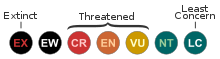
IUCN Red List
Growth: S = slow M = medium F = fast. Soil: L = light (sandy) M = medium H = heavy (clay). pH: A = acid N = neutral B = basic (alkaline). Shade: F = full shade S = semi-shade N = no shade. Moisture: D = dry M = Moist We = wet Wa = water.
Support Plants For A Future
Plants For A Future relies on regular donations to keep our free database and search facilities going, to pay for ongoing research, improvements and enhancements, and to develop and publish new books.
Read more
Choose Currency
Donate in £ GBP
Donate in $ USD
Donate in € EUR
Securely pay via PayPal or Credit/Debit Card without an account.
Expert comment
Author
L.
Botanical References
158235
Links / References
For a list of references used on this page please go here
Readers comment