Translate this page:
Summary
Horehound is a strongly aromatic, bitter perennial herb native to Europe, western Asia, and northern Africa. It has become naturalized throughout much of the world, including North America and Australia, where it frequently grows in disturbed ground, pastures, roadsides, and dry grasslands. The plant is best known for its traditional use in herbal medicine, particularly in cough drops, syrups, and teas. Although horehound belongs to the mint family, it has little value as a conventional food plant. Its leaves and flowers can be used in small quantities as flavorings, but their intense bitterness makes them unsuitable as vegetables. Horehound is a prolific seed producer and can form extensive populations, particularly in dry regions. Despite its abundance, it offers relatively little food value to foragers.
Physical Characteristics

 Marrubium vulgare is a PERENNIAL growing to 0.5 m (1ft 8in) by 0.5 m (1ft 8in) at a fast rate.
See above for USDA hardiness. It is hardy to UK zone 4 and is not frost tender. It is in flower from June to November, and the seeds ripen from August to October. The species is hermaphrodite (has both male and female organs) and is pollinated by Bees. The plant is self-fertile.
It is noted for attracting wildlife.
Suitable for: light (sandy), medium (loamy) and heavy (clay) soils, prefers well-drained soil and can grow in nutritionally poor soil. Suitable pH: mildly acid, neutral and basic (mildly alkaline) soils. It cannot grow in the shade. It prefers dry or moist soil.
UK Hardiness Map
US Hardiness Map
Synonyms
Marrubium apulum. Marrubium ballotoides. Marrubium germanicum. Marrubium uncinatum.
Plant Habitats
Cultivated Beds;
Edible Uses
Edible Parts:
Edible Uses: Condiment Tea
Horehound is a hardy, widespread perennial herb with a long history of use in traditional medicine and herbal confectionery. Its leaves and flowers can provide a distinctive bitter flavor, but the plant offers little nutritional value as a conventional food [2-3]. Its greatest historical importance lies in herbal preparations, particularly cough drops, syrups, and teas. Despite producing abundant seeds, horehound is not a practical grain resource, and people should not consume its seeds without reliable evidence of safety. For US southwestern foragers, horehound is an easily recognized but relatively unimportant food plant. Its aggressive growth and ability to colonize disturbed habitats also make it an environmental concern in many regions [2-3]. Overall, horehound deserves an edibility rating of 1 out of 5 because it is primarily a flavoring herb rather than a substantial food source [2-3]. Horehound is primarily used as a flavoring rather than a food. People have traditionally used the leaves and flowers to make herbal teas, sweets, cough drops, and medicinal syrups. Other parts, including the seeds, are not established as edible foods and should not be consumed. The leaves contain intensely bitter compounds, particularly marrubiin, which contributes to the plant's characteristic flavor. People generally use horehound in small quantities, often with sugar or honey to make its bitterness more palatable [2-3]. Edibility Rating: 1 out of 5 – Very limited food value. Horehound is useful as an occasional herbal flavoring, particularly in sweetened preparations, but its extreme bitterness and lack of substantial edible parts make it a poor food resource [2-3]. Taste and Preparation: Horehound has an exceptionally bitter flavor with resinous, earthy, and slightly medicinal notes. Fresh leaves produce a strong herbal taste that can be difficult to balance with other ingredients. The flavor has been described as resembling tar or old rubber, although individual perceptions vary. People traditionally prepare horehound tea by steeping the leaves and flowering tops in hot water. The resulting infusion is strongly bitter and is usually sweetened with honey or sugar. People also use the plant to flavor traditional horehound sweets, which are particularly associated with European and North American herbal traditions. The seeds are produced abundantly but are not recognized as a conventional food. Your field notes describe experimental toasting and roasting of the seeds, which improved their flavor and produced a coffee-like beverage when brewed. However, these observations do not establish that the seeds are safe to consume, and their use as food is not recommended. Seasonality: Horehound produces new leaves in spring and continues growing through the warmer months when moisture is available. Flowering generally occurs from May to October in the Northern Hemisphere, although timing varies with climate. People traditionally gather the leaves and flowering tops during active growth. Seed heads develop through summer and often remain on the plants well into autumn. These dry to a light brown color and retain numerous small nutlets. Traditional Uses: Horehound has a long history of use in European and Mediterranean herbal medicine. People traditionally valued it for respiratory complaints, particularly coughs and congestion, and used it in herbal teas, syrups, and lozenges. The plant contains bitter compounds that have been investigated for their potential biological activity. Historically, horehound was regarded as an expectorant, though traditional use should not be mistaken for conclusive evidence of clinical effectiveness. Horehound sweets remain one of its best-known culinary applications. These are generally made by infusing the leaves or flowering tops in sugar to produce a strongly flavored confection [2-3]. Safety: Consume horehound only in small quantities as a traditional flavoring. Concentrated preparations or excessive consumption may cause adverse effects, including digestive discomfort. Medicinal doses are not recommended during pregnancy because of concerns about possible effects on the uterus. People taking medications, particularly those for blood pressure or blood glucose, should seek professional advice before using concentrated horehound preparations. The seeds are not established as safe foods, and the experimental uses described in your source should not be interpreted as evidence of safety. The leaves are used as a seasoning[27]. Bitter and pungent, they are sometimes used to flavour herb beer or liqueurs[4, 183]. Horehound ale is a fairly well-known drink made from the leaves[4, 238]. A mild pleasantly flavoured tea is made from the fresh or dried leaves[183], it is a favourite cough remedy[4, 46].
References More on Edible Uses
Medicinal Uses
Plants For A Future can not take any responsibility for any adverse effects from the use of plants. Always seek advice from a professional before using a plant medicinally.
Antidiarrhoeal Antidote Antiflatulent Antiseptic Antispasmodic Appetizer Cholagogue Diaphoretic
Digestive Diuretic Emmenagogue Expectorant Hepatic Stimulant TB
Tonic
White horehound is a well-known and popular herbal medicine that is often used as a domestic remedy for coughs, colds, wheeziness etc[4, 254]. The herb apparently causes the secretion of a more fluid mucous, readily cleared by coughing[254]. The leaves and young flowering stems are antiseptic, antispasmodic, cholagogue, diaphoretic, digestive, diuretic, emmenagogue, strongly expectorant, hepatic, stimulant and tonic[4, 7, 9, 21, 165, 238]. Horehound is a very valuable pectoral, expectorant and tonic that can be safely used by children as well as adults[4]. It is often made into a syrup or candy in order to disguise its very bitter flavour, though it can also be taken as a tea[4]. As a bitter tonic, it increases the appetite and supports the function of the stomach[254]. It can also act to normalize heart rhythm[254]. The plant is harvested as it comes into flower and can be used fresh or dried[238]. The root is a remedy for the bite of rattlesnakes, it is used in equal portions with Plantago lanceolata or P. major[207]. The German Commission E Monographs, a therapeutic guide to herbal medicine, approve Marrubium vulgare for dyspepsia, loss of appetite (see [302] for critics of commission E).
References More on Medicinal Uses
The Bookshop: Edible Plant Books
Our Latest books on Perennial Plants For Food Forests and Permaculture Gardens in paperback or digital formats.
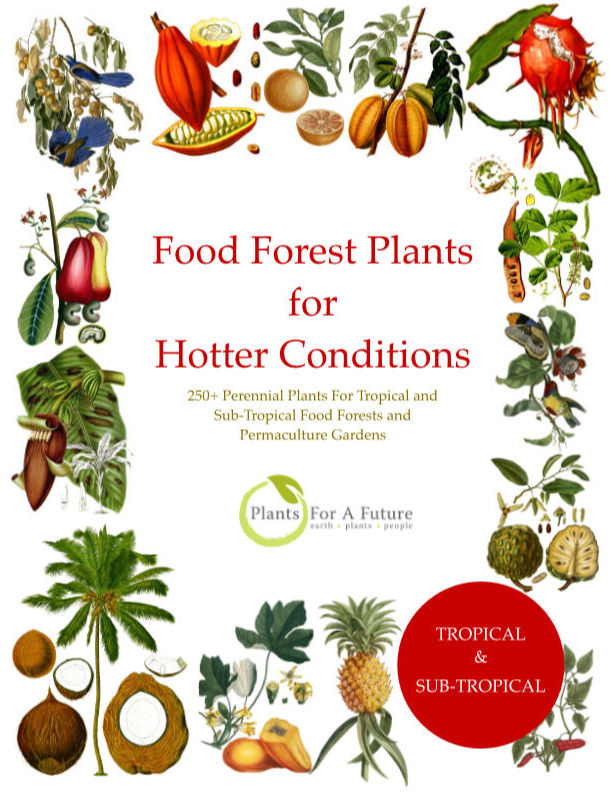
Edible Tropical Plants
Food Forest Plants for Hotter Conditions: 250+ Plants For Tropical Food Forests & Permaculture Gardens.
More
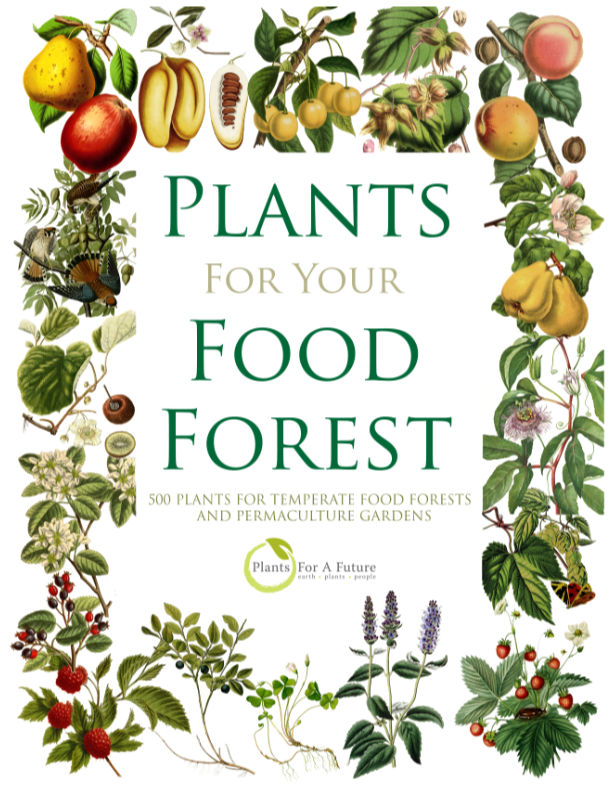
Edible Temperate Plants
Plants for Your Food Forest: 500 Plants for Temperate Food Forests & Permaculture Gardens.
More
More Books
PFAF have eight books available in paperback and digital formats. Browse the shop for more information.
Shop Now
Other Uses
Companion Essential Repellent
An essential oil is obtained from the plant and used as a flavoring in liqueurs[46]. The plant has been used as a cure for cankerworm in trees[238]. No more details are given, but it is probably a strong infusion of the flowering shoots, or the essential oil, that is used[K]. The growing plant repels flies[201]. Horehound flowers provide nectar and pollen for bees and other insects. Its extended flowering period can make it a useful nectar source in dry environments where other flowering plants may be scarce.
However, its ability to dominate disturbed vegetation can reduce the diversity of native plants. In areas where horehound becomes invasive, any benefits to pollinating insects must be considered alongside its negative ecological effects.
Special Uses
Attracts Wildlife Food Forest Scented Plants
References More on Other Uses
Cultivation details
Horehound grows best in full sun and well-drained soils. It tolerates poor, rocky, sandy, and alkaline soils and is particularly well adapted to dry environments. Once established, it can survive extended drought, though growth is more vigorous when moisture is available. The plant generally performs poorly in persistently waterlogged ground. It is well suited to exposed sites and disturbed soils where competition from taller vegetation is limited. Habitat: Horehound commonly grows in fields, roadsides, abandoned agricultural land, overgrazed pastures, waste ground, and other disturbed habitats. It occurs across a wide range of elevations and is particularly successful in regions with dry summers. Originally native to Europe, western Asia, and northern Africa, horehound is now naturalized on every continent except Antarctica. In the southwestern United States, it is a widespread weed of disturbed habitats. It is also an established environmental and agricultural weed in parts of Australia. USDA Hardiness Zones: USDA Zones 4–9. Horehound is a hardy perennial that can survive winter frost and summer drought. Its cold tolerance varies with soil drainage, moisture, and local growing conditions. Growth Rate: Moderate to fast. Horehound establishes readily from seed and, under favorable conditions, develops into a bushy perennial during its first growing season. Mature plants produce numerous flowering stems and large quantities of seeds. Mature Size: Horehound typically grows 30–90 cm tall and forms a bushy, branching plant. Mature specimens may spread approximately 30–60 cm across, depending on growing conditions. Cultivation: Horehound is easy to cultivate in sunny, well-drained locations. It requires little fertilizer and generally performs well in relatively poor soils. Excessive watering or rich soil can encourage soft growth and reduce the plant's natural drought tolerance. Because horehound readily produces seeds and can escape cultivation, growing it is not recommended in regions where it is recognized as an invasive weed. In Australia, check local weed-management requirements before planting. Identification: Horehound is a bushy perennial herb, typically 30–90 cm tall, with branching stems and opposite leaves. The leaves are broadly ovate to rounded, with strongly wrinkled surfaces and margins bearing rounded teeth. Both stems and leaves are densely covered with soft, whitish hairs, giving the plant a grey-green appearance. Small white flowers are arranged in dense, rounded clusters along the upper stems at intervals. These clusters occur in the leaf axils and form structures known as verticillasters, a characteristic arrangement found in many members of the mint family. The flowers have tubular, two-lipped corollas with a deeply notched upper lip. Four fertile stamens and the style remain enclosed within the corolla tube. One of the most distinctive identification features is the calyx, which has 10 hooked teeth. Most familiar members of the mint family have five calyx teeth, making this an especially useful characteristic for recognizing horehound. The fruits consist of four small nutlets enclosed within the persistent calyx. As the plant dries, the hooked calyx teeth help the fruiting structures attach to passing animals. Similar Species: Horehound resembles several other members of the mint family, particularly those with hairy leaves and clustered flowers. However, its densely woolly foliage, strongly wrinkled leaves, white flowers, and distinctive 10-toothed calyx provide a useful combination of identifying features. Black horehound (Ballota nigra) is another European mint that may be confused with common horehound. It generally has darker green foliage, purplish flowers, and a strong, unpleasant odor. Its calyx structure also differs from that of Marrubium vulgare. Some Stachys and Lamium species may look superficially similar, but differences in leaf shape, flower arrangement, and calyx structure help distinguish them. White horehound is an easily grown plant that succeeds in most well-drained soils[200], though it flourishes best in a poor dry soil[1, 4]. Another report says that the plant flourishes best where there is plenty of nitrogen in the soil[274]. It prefers neutral to alkaline soil conditions[238] and requires a warm sunny position if it is to do well[14]. Often grown in the herb garden and sometimes cultivated commercially as a medicinal herb[4, 61]. If the plant is cut back after flowering it will normally produce a second crop of leaves[238]. The fresh leaves have a pronounced musky smell, though this is lost once the plant is dried[245]. A good bee plant[1]. White horehound is a good companion plant for growing near tomatoes[24]. The tomatoes crop for a longer period and also produce a heavier crop[201]. In garden design, as well as the above-ground architecture of a plant, root structure considerations help in choosing plants that work together for their optimal soil requirements including nutrients and water. The root pattern is rhizomatous with underground stems sending roots and shoots along their length [2-1].
References Carbon Farming Information and Carbon Sequestration Information
Temperature Converter
Type a value in the Celsius field to convert the value to Fahrenheit:
Fahrenheit:
The PFAF Bookshop
Plants For A Future have a number of books available in paperback and digital form. Book titles include Edible Plants, Edible Perennials, Edible Trees,Edible Shrubs, Woodland Gardening, and Temperate Food Forest Plants. Our new book is Food Forest Plants For Hotter Conditions (Tropical and Sub-Tropical).
Shop Now
Plant Propagation
Seed - sow April/May or August/September in a cold frame. Germination can be slow and erratic[200]. Prick out the seedlings into individual pots when they are large enough to handle and plant them out in the following spring[K]. Basal cuttings in late spring. Harvest the shoots with plenty of underground stem when they are about 8 - 10cm above the ground. Pot them up into individual pots and keep them in light shade in a cold frame or greenhouse until they are rooting well. Plant them out in the summer. Division in spring[1]. Larger clumps can be replanted direct into their permanent positions, though it is best to pot up smaller clumps and grow them on in a cold frame until they are rooting well. Plant them out in the spring.
Other Names
If available other names are mentioned here
White Horehound, Horehound, Common horehound
Native Range
TEMPERATE ASIA: Afghanistan, Cyprus, Iran, Israel, Jordan, Lebanon, Syria, Turkey, Russian Federation-Ciscaucasia (Ciscaucasia), Armenia, Azerbaijan, Kazakhstan, Turkmenistan, Uzbekistan, China (Xinjiang Uygur Zizhiqu) TROPICAL ASIA: Pakistan (north) EUROPE: Denmark, United Kingdom (England), Sweden (south), Czechoslovakia, Austria, Belgium, Switzerland, Hungary, Netherlands, Poland, Russian Federation-European part (European part (southwest)), Belarus, Estonia, Lithuania, Latvia, Ukraine (incl. Krym), Former Yugoslavia, Albania, Bulgaria, Greece (incl. Crete), Italy (incl. Sardinia, Sicily), Romania, Spain (incl. Baleares), France (incl. Corsica), Portugal AFRICA: Spain (Canarias), Portugal (Madeira Islands), Algeria (north), Libya (north), Morocco, Tunisia
Weed Potential
Right plant wrong place. We are currently updating this section.
Please note that a plant may be invasive in one area but may not
in your area so it's worth checking.
High. Horehound is a persistent and potentially invasive weed, particularly in dry grasslands, rangelands, and disturbed environments. It produces large quantities of seeds and can establish dense populations that compete with native vegetation and desirable pasture species.
The hooked teeth surrounding the fruits help seeds spread by attaching to animals and clothing. Seeds can also be transported in contaminated soil, agricultural equipment, and other materials.
In Australia, horehound is a significant weed in several regions, particularly in southern and inland areas. Its spread can reduce pasture quality and contribute to the displacement of native vegetation. Control is often difficult because established plants are drought tolerant and soil seed banks can persist.
Conservation Status
IUCN Red List of Threatened Plants Status : Not Listed.
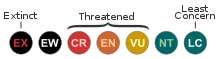
IUCN Red List
Growth: S = slow M = medium F = fast. Soil: L = light (sandy) M = medium H = heavy (clay). pH: A = acid N = neutral B = basic (alkaline). Shade: F = full shade S = semi-shade N = no shade. Moisture: D = dry M = Moist We = wet Wa = water.
Now available:
Food Forest Plants for Mediterranean Conditions
350+ Perennial Plants For Mediterranean and Drier Food Forests and Permaculture Gardens.
[Paperback and eBook]
This is the third in Plants For A Future's series of plant guides for food forests tailored to
specific climate zones. Following volumes on temperate and tropical ecosystems, this book focuses
on species suited to Mediterranean conditions—regions with hot, dry summers and cool, wet winters,
often facing the added challenge of climate change.
Read More
Expert comment
Author
L.
Botanical References
17200
Links / References
For a list of references used on this page please go here
Readers comment
| Add a comment |
|
If you have important information about this plant that may help other users please add a comment or link below. Only comments or links that are felt to be directly relevant to a plant will be included. If you think a comment/link or information contained on this page is inaccurate or misleading we would welcome your feedback at [email protected]. If you have questions about a plant please use the Forum on this website as we do not have the resources to answer questions ourselves.
* Please note: the comments by website users are not necessarily those held by PFAF and may give misleading or inaccurate information.
|
Subject : Marrubium vulgare
|
|
|
|