Translate this page:
Summary
Common duckweed is one of the world's smallest flowering plants, forming floating mats across quiet ponds, marshes, and slow-moving streams. It is widespread throughout temperate regions and can reproduce with remarkable speed under favourable conditions. Although the fronds are edible, they are generally considered less desirable than those of swollen duckweed (Lemna gibba), having a noticeably harsher flavour. Nevertheless, they provide a useful emergency vegetable and are exceptionally rich in protein when growing in clean water. Taxonomic Note: This genus was formerly classified in the family Lemnaceae. Modern classifications include it within the Araceae.
Physical Characteristics

 Lemna minor is a PERENNIAL growing to 0.1 m (0ft 4in) by 0.1 m (0ft 4in) at a fast rate.
See above for USDA hardiness. It is hardy to UK zone 4 and is not frost tender. It is in flower from June to July. The species is monoecious (individual flowers are either male or female, but both sexes can be found on the same plant).
It is noted for attracting wildlife.
Suitable pH: neutral and basic (mildly alkaline) soils. It cannot grow in the shade. It can grow in water.
UK Hardiness Map
US Hardiness Map
Synonyms
Plant Habitats
Pond;
Edible Uses
Edible Parts: Leaves
Edible Uses:
Common duckweed is a remarkably productive aquatic vegetable with exceptional protein content and worldwide distribution. Although it lacks the mild flavor of swollen duckweed, it remains a worthwhile wild food when gathered from clean water and cooked before eating. Its rapid growth, high nutritional value, and ecological importance continue to make it one of the most fascinating edible aquatic plants. The floating fronds (thalli) are edible fresh or cooked, although cooking is strongly recommended to eliminate potential waterborne parasites and microorganisms. Compared with swollen duckweed, common duckweed has a more pronounced acrid flavor. While still edible, it is less enjoyable as a fresh salad green and is better suited to cooked dishes. Because duckweed absorbs substances directly from the surrounding water, it should only be harvested from clean, uncontaminated ponds or streams [2-3]. Edibility Rating: 3 out of 5 – Nutritious and edible, but less palatable than swollen duckweed and restricted to suitable freshwater habitats. Taste and Preparation Fresh common duckweed has a mildly lettuce-like flavor with a noticeable acrid or slightly harsh aftertaste, an attribute that has been linked to naturally occurring oxalates. The texture is soft and delicate because the tiny fronds consist largely of water. Cooking substantially improves the flavor, reducing much of the harshness while producing a pleasant green broth suitable for soups and stews. The fronds also dry surprisingly easily despite their high moisture content and can later be rehydrated or powdered for use in soups. Seasonality (Phenology): Common duckweed is generally available from spring through autumn, reproducing continuously during warm weather whenever suitable aquatic habitats remain wet. Tiny flowers may occasionally appear during the growing season, although flowering is uncommon and the plant spreads primarily by vegetative budding. Nutritional Value: Like other duckweeds, common duckweed is exceptionally nutritious. Members of the duckweed group have been reported to contain up to 45% protein on a dry-weight basis, along with valuable minerals, vitamins, and chlorophyll. Because the fronds are composed mostly of water, large fresh quantities are required to provide substantial calories. Traditional Uses: While common duckweed appears to have been only a minor traditional food in North America, duckweeds have long been recognized as edible in many parts of the world. Modern research has renewed interest in duckweed as a sustainable, high-protein crop because of its extraordinary productivity. Safety: Only harvest plants growing in clean, uncontaminated water, as duckweed readily accumulates pollutants and heavy metals from its environment. Cooking is recommended before consumption to destroy potential parasites and microorganisms associated with aquatic habitats [2-3]. Occasionally used as a vegetable[183]. No further details are given but we have found the flavour to be less than desirable[K].
References More on Edible Uses
Medicinal Uses
Plants For A Future can not take any responsibility for any adverse effects from the use of plants. Always seek advice from a professional before using a plant medicinally.
Alterative Antirheumatic Antiscorbutic Astringent Depurative Diuretic Febrifuge Homeopathy
Ophthalmic Sedative Skin
The whole plant is alterative, antipruritic, antiscorbutic, astringent, depurative, diuretic, febrifuge and soporific[176, 178, 240]. It is used in the treatment of colds, measles, oedema and difficulty in urination[176]. It is applied externally in the treatment of skin diseases and is used as a wash for ophthalmia[240]. The plant is used in homeopathy[240], but the report gives no more details.
References More on Medicinal Uses
The Bookshop: Edible Plant Books
Our Latest books on Perennial Plants For Food Forests and Permaculture Gardens in paperback or digital formats.
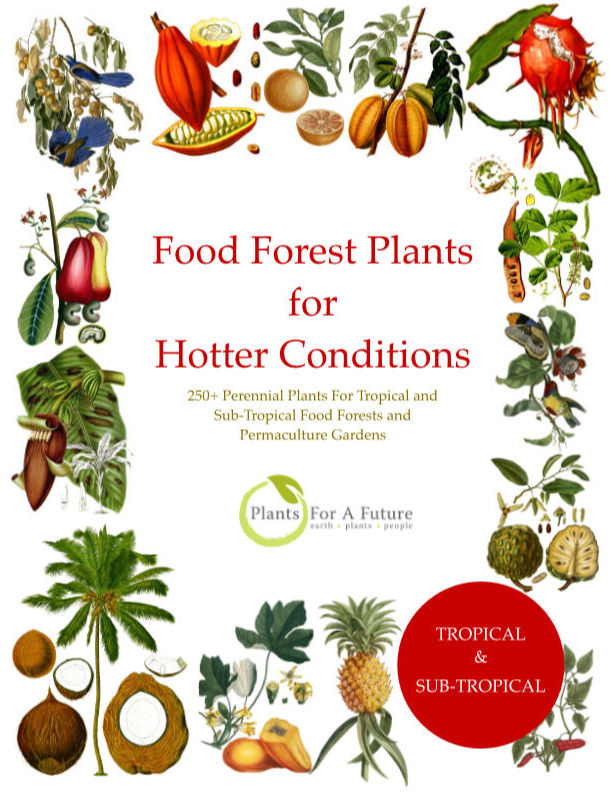
Edible Tropical Plants
Food Forest Plants for Hotter Conditions: 250+ Plants For Tropical Food Forests & Permaculture Gardens.
More
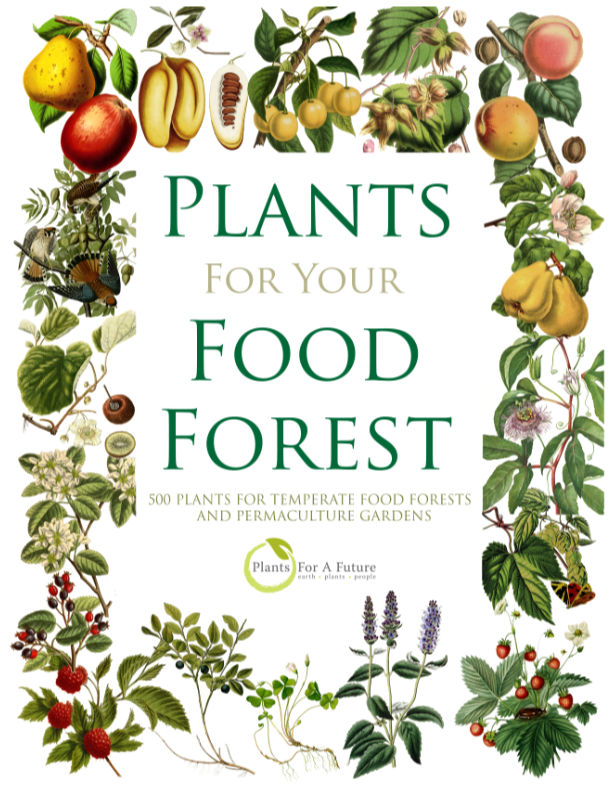
Edible Temperate Plants
Plants for Your Food Forest: 500 Plants for Temperate Food Forests & Permaculture Gardens.
More
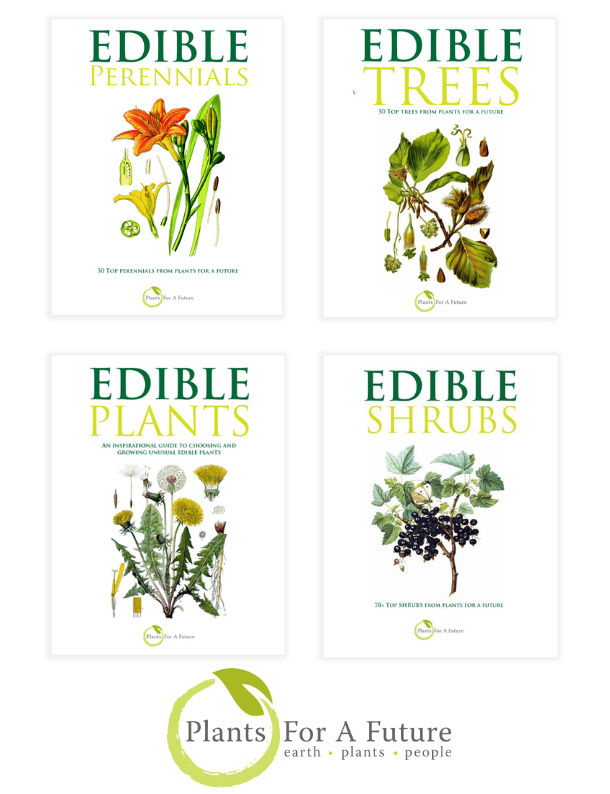
More Books
PFAF have eight books available in paperback and digital formats. Browse the shop for more information.
Shop Now
Other Uses
Repellent
The dried plant repels mosquitoes[178]. Common duckweed is easy to cultivate in shallow ponds or containers with nutrient-rich freshwater. Wildlife Value: Duckweed provides valuable food for ducks, geese, fish, turtles, amphibians, and numerous aquatic invertebrates. Dense floating mats also create shelter for aquatic organisms and help absorb excess nutrients from freshwater systems.
Special Uses
Attracts Wildlife Dynamic accumulator
References More on Other Uses
Cultivation details
Requires a sunny position in still water that is rich in nitrates and lime[200]. Duckweed can be a troublesome pond weed though it is easily controlled by simply scooping it out[56, 200]. This scooped out material makes an excellent addition to the compost heap. The growing plant is a good food source for fish and birds, as well as providing cover for creatures in the pond[200]. Although it is towards the limit of its climatic range in Britain, it often flowers here if growing in a sheltered sunny position[17]. It over-winters in temperate areas by means of resting buds which sink to the bottom of the pond in the late autumn and rise again in the spring[200].
References Carbon Farming Information and Carbon Sequestration Information
Temperature Converter
Type a value in the Celsius field to convert the value to Fahrenheit:
Fahrenheit:
The PFAF Bookshop
Plants For A Future have a number of books available in paperback and digital form. Book titles include Edible Plants, Edible Perennials, Edible Trees,Edible Shrubs, Woodland Gardening, and Temperate Food Forest Plants. Our new book is Food Forest Plants For Hotter Conditions (Tropical and Sub-Tropical).
Shop Now
Plant Propagation
Seed - we have no information on this species but, since it spreads so rapidly by division, it really needs no extra help once it is in a pond.
Other Names
If available other names are mentioned here
Common duckweed, lesser duckweed
Native Range
TEMPERATE ASIA: Yemen, Afghanistan, Iran, Iraq, Israel, Jordan, Lebanon, Syria, Turkey, Azerbaijan, Georgia, Kazakhstan, Kyrgyzstan, Tajikistan, Uzbekistan, Russian Federation (Primorye, Kamcatskij kraj, Sakhalin), China (Xizang Zizhiqu) TROPICAL ASIA: India (north), Nepal, Pakistan (Punjab) NORTHERN AMERICA: Canada (Québec, Ontario, Newfoundland and Labrador, Saskatchewan, British Columbia), United States (Connecticut, Indiana, Maine, Massachusetts, Michigan, New Hampshire, New Jersey, New York, Ohio, Pennsylvania, Rhode Island, Vermont, West Virginia, Illinois, Iowa, Kansas, Minnesota, Missouri, Nebraska, North Dakota, Oklahoma, South Dakota, Wisconsin, Idaho, Montana, Oregon, Washington, Alabama, Arkansas, Delaware, Florida, Kentucky, Louisiana, Maryland, North Carolina, Tennessee, Virginia, District of Columbia, New Mexico, Arizona, California, Utah) EUROPE: Denmark, Finland, United Kingdom, Ireland, Norway, Sweden, Austria, Belgium, Switzerland, Czech Republic, Germany, Hungary, Liechtenstein, Luxembourg, Poland, Slovakia, Russian Federation (European part), Belarus, Estonia, Lithuania, Latvia, Moldova, Russian Federation (Kalmykija, Respublika, Astrakhan, Saratov, Volgogradskaja oblast), Ukraine (incl. Krym), Albania, Bulgaria, Bosnia and Herzegovina, Greece, Croatia, Italy (incl. Sardinia, Sicily), Montenegro, Romania, Serbia, Slovenia, Spain (incl. Baleares), France (incl. Corsica), Portugal AFRICA: Spain (Canarias), Portugal (Madeira Islands), Algeria, Egypt, Libya, Morocco, Tunisia, Ethiopia, Sudan, Kenya, Uganda, Democratic Republic of the Congo, Rwanda, Mozambique, South Africa (Cape Province, KwaZulu-Natal, Transvaal)
Weed Potential
Right plant wrong place. We are currently updating this section.
Please note that a plant may be invasive in one area but may not in your area so it's worth checking.
Moderate to High. Under nutrient-rich conditions, common duckweed can rapidly blanket ponds and waterways, reducing light penetration and oxygen exchange. In artificial ponds it may require periodic control.
Conservation Status
IUCN Red List of Threatened Plants Status : Lemna minor is listed as Least Concern.

Growth: S = slow M = medium F = fast. Soil: L = light (sandy) M = medium H = heavy (clay). pH: A = acid N = neutral B = basic (alkaline). Shade: F = full shade S = semi-shade N = no shade. Moisture: D = dry M = Moist We = wet Wa = water.
Now available:
Food Forest Plants for Mediterranean Conditions
350+ Perennial Plants For Mediterranean and Drier Food Forests and Permaculture Gardens.
[Paperback and eBook]
This is the third in Plants For A Future's series of plant guides for food forests tailored to
specific climate zones. Following volumes on temperate and tropical ecosystems, this book focuses
on species suited to Mediterranean conditions—regions with hot, dry summers and cool, wet winters,
often facing the added challenge of climate change.
Read More
Expert comment
Author
L.
Botanical References
17200
Links / References
For a list of references used on this page please go here
Readers comment
© 2010, Plants For A Future. Plants For A Future is a charitable company limited by guarantee, registered in England and Wales. Charity No. 1057719, Company No. 3204567.