Translate this page:
Summary
Swollen duckweed is one of the most productive edible aquatic plants in the world. Its tiny floating fronds can rapidly multiply to form dense green carpets across ponds and slow-moving waterways. Unlike many aquatic plants, it has a mild, pleasant flavour and exceptionally high protein content, making it one of the more nutritious wild vegetables available. Although individual plants are tiny, they can be harvested in remarkable quantities where conditions are suitable. Cooking is recommended to destroy potential waterborne parasites. Taxonomic Note: This genus was formerly classified in the family Lemnaceae. Modern classifications include it within the Araceae.
Form: Spreading or horizontal, Variable spread.
Physical Characteristics

 Lemna gibba is a PERENNIAL growing to 0.1 m (0ft 4in) by 0.1 m (0ft 4in) at a fast rate.
See above for USDA hardiness. It is hardy to UK zone 8. The species is monoecious (individual flowers are either male or female, but both sexes can be found on the same plant).
Suitable pH: neutral and basic (mildly alkaline) soils. It cannot grow in the shade. It can grow in water.
UK Hardiness Map
US Hardiness Map
Synonyms
Lenticula gibba (L.) Moench Telmatophace gibba (L.) Schleid.
Plant Habitats
Pond;
Edible Uses
Edible Parts: Leaves
Edible Uses:
Swollen duckweed is one of the finest edible aquatic plants available to foragers. Its mild flavour, excellent nutritional value, extraordinary growth rate, and ease of harvesting make it an outstanding wild vegetable wherever clean freshwater habitats occur. Although uncommon across much of the arid Southwest, it is well worth remembering whenever suitable ponds or marshes are encountered. The floating fronds (thalli) are edible fresh or cooked, although cooking is the safest preparation method. When collected from clean water, swollen duckweed has a mild lettuce-like flavor without the bitterness, resin, or sliminess found in many aquatic plants. Because duckweed absorbs nutrients directly from the surrounding water, it should only be harvested from unpolluted ponds, marshes, or slow-moving streams. Plants growing in contaminated water can accumulate pollutants and should be avoided [2-3]. Edibility Rating: 4 out of 5 – Highly nutritious, mild-tasting, and easy to harvest where abundant, although limited by habitat availability and the need for clean water [2-3]. Taste and Preparation: Fresh swollen duckweed has a flavor comparable to mild iceberg lettuce with a texture similar to fresh alfalfa sprouts. It lacks unpleasant bitter, resinous, or soapy flavors and can be added to salads when gathered from exceptionally clean water. Cooking produces an excellent green broth with a pleasant vegetable flavor. Unlike many leafy greens, you don't need to discard the cooking water, as it contributes much of the flavor. The cooked fronds work well in soups, stews, stir-fries, and vegetable dishes. Although the plants contain a great deal of water, they dry surprisingly quickly and can be stored for later use [2-3]. Seasonality (Phenology): Swollen duckweed is generally available from spring through autumn, reproducing rapidly during warm weather whenever suitable aquatic habitats remain wet. Tiny flowers may occasionally appear from June to September, although flowering is uncommon and reproduction occurs primarily through vegetative growth [2-3]. Nutritional Value: Swollen duckweed is exceptionally nutritious for such a small plant. Members of the duckweed group have been reported to contain up to 45% protein on a dry-weight basis, making them among the richest plant protein sources in nature. The fronds also provide vitamins, minerals, and chlorophyll while remaining low in calories because of their high water content. Traditional Uses: While historical food use in North America appears limited, duckweeds have long been eaten in other parts of the world. Swollen duckweed has been cultivated as a vegetable in Israel, and closely related species are widely consumed in Southeast Asia. Its rapid growth and excellent nutritional profile have made duckweeds the subject of considerable modern interest as a sustainable food crop. Harvest only from clean, uncontaminated water, as duckweed readily absorbs pollutants, heavy metals, and agricultural chemicals. Cooking is recommended to destroy any potential parasites or microorganisms associated with aquatic habitats [2-3]. Leaves - raw or cooked[270]. The leaves are cultivated in Israel foe use as a salad or vegetable[270].
References More on Edible Uses
Medicinal Uses
Plants For A Future can not take any responsibility for any adverse effects from the use of plants. Always seek advice from a professional before using a plant medicinally.
None known
References More on Medicinal Uses
The Bookshop: Edible Plant Books
Our Latest books on Perennial Plants For Food Forests and Permaculture Gardens in paperback or digital formats.

Edible Tropical Plants
Food Forest Plants for Hotter Conditions: 250+ Plants For Tropical Food Forests & Permaculture Gardens.
More

Edible Temperate Plants
Plants for Your Food Forest: 500 Plants for Temperate Food Forests & Permaculture Gardens.
More

More Books
PFAF have eight books available in paperback and digital formats. Browse the shop for more information.
Shop Now
Other Uses
Landscape Uses: Container. Pond. It is used indirectly in waste water treatment and is also in production of bio ethanol. It can contain high amounts of carbohydrate, cellulose and hemicellulose compared to other aquatic plants (Sharma et al. 2010). Wildlife Value: Duckweed provides food for ducks, geese, fish, amphibians, turtles, and numerous aquatic invertebrates. Dense mats also provide shelter for small aquatic organisms and help reduce algal blooms by competing for nutrients.
Special Uses
References More on Other Uses
Cultivation details
Swollen duckweed thrives in still or very slow-moving freshwater with abundant sunlight and nutrients. It reproduces rapidly by vegetative division and can completely cover ponds under favorable conditions. Habitat: Found in marshes, ponds, lake margins, irrigation channels, and slow-moving streams. In the Southwest, it occurs mainly in California and Arizona, while globally it is widespread throughout warm temperate and tropical regions. USDA Hardiness Zones: USDA Zones 8–11. In colder climates, the species survives only where water remains unfrozen or recolonizes suitable habitats during warmer months. Growth Rate: Extremely fast. Under ideal conditions, populations can double within days, making it one of the fastest-growing flowering plants. Mature Size: Individual fronds measure only 2–6 mm (0.08–0.24 in.) across and float freely on the water surface. Colonies can spread across many square meters. Cultivation: Swollen duckweed is easily cultivated in shallow ponds or containers with nutrient-rich freshwater. Because it grows rapidly, regular harvesting helps maintain vigorous growth and prevents overcrowding. Cultivate plants only in clean water intended for food production. Identification: Swollen duckweed consists of tiny floating green fronds, each with a single thread-like root hanging beneath. The rounded fronds measure 2–6 mm across and are noticeably swollen underneath because of large internal air chambers. The lower surfaces often display reddish-purple spots, while the upper surfaces may be yellowish-green. Unlike Spirodela species, each frond bears only one root. Similar Species: Common duckweed (Lemna minor) is very similar but has flat rather than swollen fronds and a noticeably harsher flavor. Species of Wolffia and Wolffiella lack roots altogether, while Spirodela species produce numerous roots from each frond. Requires a sunny position in still water that is rich in nitrates and lime[200]. Duckweed can be a troublesome pond weed though it is easily controlled by simply scooping it out[56, 200]. This scooped out material makes an excellent addition to the compost heap. The growing plant is a good food source for fish and birds, as well as providing cover for creatures in the pond[200]. Although it is towards the limit of its climatic range in Britain, it often flowers here if growing in a sheltered sunny position[17]. It over-winters in temperate areas by means of resting buds which sink to the bottom of the pond in the late autumn and rise again in the spring[200]. Special Features:
Attracts birds, North American native, Edible, Invasive, Naturalizing, Inconspicuous flowers or blooms.
References Carbon Farming Information and Carbon Sequestration Information
Temperature Converter
Type a value in the Celsius field to convert the value to Fahrenheit:
Fahrenheit:
The PFAF Bookshop
Plants For A Future have a number of books available in paperback and digital form. Book titles include Edible Plants, Edible Perennials, Edible Trees,Edible Shrubs, Woodland Gardening, and Temperate Food Forest Plants. Our new book is Food Forest Plants For Hotter Conditions (Tropical and Sub-Tropical).
Shop Now
Plant Propagation
Seed - we have no information on this species but, since it spreads so rapidly by division, it really needs no extra help once it is in a pond.
Other Names
If available other names are mentioned here
Gibbous Duckweed, Swollen duckweed, Windbags, Duckweed
Native Range
TEMPERATE ASIA: Saudi Arabia, Yemen, Afghanistan, Egypt (Sinai), Iran, Israel, Jordan, Lebanon, Syria, Turkey, Russian Federation-Ciscaucasia (Ciscaucasia), Armenia, Azerbaijan, Georgia, Russian Federation (Dagestan), Japan (Honshu) TROPICAL ASIA: India, Pakistan NORTHERN AMERICA: United States (Illinois, Nebraska, Wyoming, New Mexico, Texas, Arizona, California, Nevada), Mexico (Baja California (Norte), Chihuahua, Coahuila de Zaragoza, Durango, Sonora, Tamaulipas, Zacatecas, Aguascalientes, Ciudad de México, Guanajuato, Hidalgo, Jalisco, México, Michoacán de Ocampo, Oaxaca, Puebla, Querétaro, Tlaxcala, Veracruz de Ignacio de la Llave) SOUTHERN AMERICA: United States (Virgin Islands, U.S.), Brazil (Rio Grande do Sul), Bolivia, Colombia, Ecuador, Peru, Argentina (Buenos Aires, Catamarca, Chaco, Chubut, Córdoba, Entre Ríos, Formosa, Jujuy, La Pampa, La Rioja, Mendoza, Río Negro, Salta, San Juan, San Luis, Santa Cruz, Santa Fe, Santiago del Estero, Tucumán), Chile, Paraguay, Uruguay EUROPE: Denmark, Finland, United Kingdom, Norway, Sweden, Austria, Belgium, Switzerland, Czech Republic, Germany, Hungary, Netherlands, Poland, Slovakia, Russian Federation (European part), Belarus, Estonia, Lithuania, Latvia, Moldova, Russian Federation (Astrakhan, Saratov, Volgogradskaja oblast), Ukraine (incl. Krym), Albania, Bulgaria, Bosnia and Herzegovina, Greece (incl. Crete), Croatia, Romania, Serbia, Slovenia, Spain (incl. Baleares), France (incl. Corsica), Portugal AFRICA: Spain (Canarias), Portugal (Madeira Islands), Algeria, Egypt, Morocco, Tunisia, Ethiopia, Sudan, Kenya, Tanzania, Uganda, Democratic Republic of the Congo, Rwanda, South Africa (Cape Province, Free State, KwaZulu-Natal, Transvaal)
Weed Potential
Right plant wrong place. We are currently updating this section.
Please note that a plant may be invasive in one area but may not in your area so it's worth checking.
Moderate. Under nutrient-rich conditions it can rapidly blanket ponds and irrigation channels, reducing light penetration and affecting aquatic ecosystems. It is generally managed by maintaining balanced water conditions.
Conservation Status
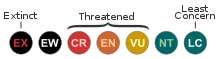
IUCN Red List of Threatened Plants Status : Lemna gibba is listed as Least Concern.
Growth: S = slow M = medium F = fast. Soil: L = light (sandy) M = medium H = heavy (clay). pH: A = acid N = neutral B = basic (alkaline). Shade: F = full shade S = semi-shade N = no shade. Moisture: D = dry M = Moist We = wet Wa = water.
Now available:
Food Forest Plants for Mediterranean Conditions
350+ Perennial Plants For Mediterranean and Drier Food Forests and Permaculture Gardens.
[Paperback and eBook]
This is the third in Plants For A Future's series of plant guides for food forests tailored to
specific climate zones. Following volumes on temperate and tropical ecosystems, this book focuses
on species suited to Mediterranean conditions—regions with hot, dry summers and cool, wet winters,
often facing the added challenge of climate change.
Read More
Expert comment
Author
L.
Botanical References
17270
Links / References
For a list of references used on this page please go here
Readers comment
| Add a comment |
|
If you have important information about this plant that may help other users please add a comment or link below. Only comments or links that are felt to be directly relevant to a plant will be included. If you think a comment/link or information contained on this page is inaccurate or misleading we would welcome your feedback at [email protected]. If you have questions about a plant please use the Forum on this website as we do not have the resources to answer questions ourselves.
* Please note: the comments by website users are not necessarily those held by PFAF and may give misleading or inaccurate information.
|
|