Translate this page:
Summary
Hyacinth bean is a fast-growing legume with edible seeds, pods, leaves, flowers, and roots. It can enrich the soil by fixing nitrogen. The mature seeds, with a mild flavour, are rich in protein and must be thoroughly cooked to remove toxins. They have a mild flavour and are rich in protein. The seeds are processed into tofu or fermented into tempeh, similar to soybeans. Sprouted seeds are eaten raw, similar to mung bean sprouts. The young seedpods and immature seeds are edible either raw or cooked and used as green vegetables similar to French beans or used in curries. The immature seed pods are nutritious, containing 3.2% protein, 0.8% fat, and 5.4% carbohydrates. The plant is also rich in vitamin B1. The leaves are edible and cooked before consumption. They are sometimes dried for later use and used like spinach. The leaves are also protein-rich, containing up to 28% protein (dry weight). The flowers are edible, raw or cooked and added to soups and stews. The edible root is large and starchy.
Hyacinth beans can thrive in relatively poor soil conditions. The plant prefers warm temperatures, ideally between 28–30°C, though it can tolerate temperatures as low as 9°C. Certain plant varieties are drought-resistant. Hyacinth beans are fast-growing, with young pods ready for harvest within 70–120 days after sowing. Lablab Bean Lablab purpureus subsp. purpureus is grown in Asia as a field crop for seeds and fodder. It is a semi-erect bushy perennial usually grown as an annual, showing little or no tendency to climb.
Hyacinth bean is native to Cape Verde, tropical and southern Africa, Madagascar, and India. It grows well in Mediterranean climates, including the Cape Provinces of South Africa, the Canary Islands, Lebanon-Syria, Madeira, Tunisia, and Western Australia.
Bloom Color: Pink. Main Bloom Time: Early summer, Early fall, Late summer, Mid summer. Form: Spreading or horizontal.
Physical Characteristics

 Lablab purpureus is a PERENNIAL CLIMBER growing to 2 m (6ft 7in) at a fast rate.
See above for USDA hardiness. It is hardy to UK zone 10 and is frost tender. It is in flower from July to September, and the seeds ripen from September to October. The species is hermaphrodite (has both male and female organs) and is pollinated by Insects. The plant is self-fertile.
It can fix Nitrogen.
It is noted for attracting wildlife.
Suitable for: light (sandy), medium (loamy) and heavy (clay) soils and prefers well-drained soil. Suitable pH: mildly acid, neutral and basic (mildly alkaline) soils. It cannot grow in the shade. It prefers moist soil and can tolerate drought.
UK Hardiness Map
US Hardiness Map
Synonyms
L. vulgaris. Dolichos lablab. L.
Plant Habitats
Cultivated Beds;
Edible Uses
Edible Parts: Flowers Leaves Root Seed Seedpod
Edible Uses:
The mature seed is edible as long as it is thoroughly cooked[2, 27, 33, 34, 74, 171]. It has a mild flavour, is rich in protein and can be used as a staple food. The seed can also be prepared as 'tofu' or be fermented into 'tempeh' in the same way that soya beans are used in Japan[183]. The seed can also be sprouted and eaten raw, when it is comparable to mung bean sprouts[179, 183]. A nutritional analysis is available[218]. The tender young seedpods and immature seeds can be eaten raw or cooked. They can be used as a green vegetable like French beans[46, 74, 114]. They are also used as a curry vegetable[183]. The immature seedpod contains 3.2% protein, 0.8% fat, 5.4% carbohydrate, 0.81% ash. It is rich in vitamin B1[179]. Leaves - they must be cooked[160, 179]. They can also be dried for later use[183]. The leaves are used as a greens just like spinach[183]. They contain up to 28% protein[160] (dry weight?). Flowers - raw or cooked in soups and stews[183]. Root - large and starchy[183].
References More on Edible Uses
| Composition
|
| Figures in grams (g) or miligrams (mg) per 100g of food.
|
|
|
Seed (Fresh weight)
|
|
- 334 Calories per 100g
- Water : 12.1%
- Protein: 21.5g; Fat: 1.2g; Carbohydrate: 61.4g; Fibre: 6.8g; Ash: 3.8g;
- Minerals - Calcium: 98mg; Phosphorus: 345mg; Iron: 3.9mg; Magnesium: 0mg; Sodium: 0mg; Potassium: 0mg; Zinc: 0mg;
- Vitamins - A: 0mg; Thiamine (B1): 0mg; Riboflavin (B2): 0mg; Niacin: 0mg; B6: 0mg; C: 0mg;
- Reference: [ 218]
- Notes:
|
|
Medicinal Uses
Plants For A Future can not take any responsibility for any adverse effects from the use of plants. Always seek advice from a professional before using a plant medicinally.
Anthelmintic Anticholesterolemic Antidote Antispasmodic Antivinous Aphrodisiac Astringent Carminative
Cholera Digestive Febrifuge Hypoglycaemic Miscellany Stomachic
The plant (though the exact part used is not stipulated) is anticholesterolemic, antidote (to most forms of poison), antivinous, carminative, hypoglycaemic. Prolongs co-agulation time[147, 176, 178]. It is used in the treatment of cholera, vomiting, diarrhoea, leucorrhoea, gonorrhoea, alcoholic intoxication and globefish poisoning[147]. The flowers are antivinous, alexiteric and carminative[218]. The stem is used in the treatment of cholera[218]. The juice from the pods is used to treat inflamed ears and throats[218]. The fully mature seeds are anthelmintic, antispasmodic, aphrodisiac, astringent, digestive, febrifuge and stomachic[218, 240, 283]. They are used in the treatment of sunstroke, nausea, vomiting, diarrhoea, enteritis, abdominal pain, alcoholism and arsenism[283]. The seed is well dried and then roasted before use[283].
References More on Medicinal Uses
The Bookshop: Edible Plant Books
Our Latest books on Perennial Plants For Food Forests and Permaculture Gardens in paperback or digital formats.
Edible Tropical Plants
Food Forest Plants for Hotter Conditions: 250+ Plants For Tropical Food Forests & Permaculture Gardens.
More
Edible Temperate Plants
Plants for Your Food Forest: 500 Plants for Temperate Food Forests & Permaculture Gardens.
More
More Books
PFAF have eight books available in paperback and digital formats. Browse the shop for more information.
Shop Now
Other Uses
Fodder Green manure Miscellany
Agroforestry uses:
This plant can be used as a ground cover and is a nitrogen fixer, enhancing soil fertility. It can also serve as a trellis plant, providing shade and support for other crops.
Plants are fairly fast growing and the bacteria on the roots enrich the soil with nitrogen. This makes them a good green manure crop, though they are only really suitable for climates warmer than Britain[46, 61]. 1. Nectary - Flowers rich in nectar and pollen:
Yes – Hyacinth bean produces attractive flowers that are rich in nectar, making it beneficial for pollinators such as bees and butterflies.
2. Wildlife - Food (Fruit, Seeds, Leaf litter, Shelter, Nesting, Roosting):
Yes – The plant’s seeds and young pods are edible and provide food for various animals. The dense foliage can also offer some shelter, though it is not specifically noted for nesting or roosting.
3. Invertebrate Shelter (Overwintering sites, Leaf litter, Groundcover):
Yes – The plant can provide cover and habitat for invertebrates, especially in its dense growth form. It can also create leaf litter that supports beneficial insects.
4. Pest Confuser (Smell):
Yes – The strong aroma of the leaves may help confuse pests and attract beneficial insects, aiding in pest management.
Special Uses
Carbon Farming Nitrogen Fixer
References More on Other Uses
Cultivation details
Agroforestry Services: Nitrogen Agroforestry Services: Understory legume Fodder: Pasture Management: Standard Minor Global Crop Staple Crop: Protein
Landscape Uses:Arbor, Container. Easily grown in an ordinary garden soil so long as the temperature is sufficient[1]. Succeeds in relatively poor soils so long as they are well-drained[206]. Plants grow best at temperatures between 28 - 30°c though they tolerate mean temperatures as low as 9°c[206]. Prefers a rich moist soil in a warm sheltered position[175]. Prefers a well-drained soil with a high organic matter content and a pH between 5.5 and 6[200]. Some varieties are drought resistant[200]. A perennial species[142], it is not cold-hardy in Britain, though it is occasionally grown as an annual in the ornamental garden[27, 33]. It requires a minimum temperature of 7 - 10°c if it is to survive winter conditions[200]. The hyacinth bean is commonly cultivated in warm temperate and tropical climates for its edible seed, there are many named varieties[183, 200] varying in height from 60cm to 2 metres. Short-day, long-day and daylength-neutral varieties are available, you should use day-length-neutral or long-day varieties in northern latitudes[200]. Plants are fairly fast-growing, young pods are ready to harvest from 70 - 120 days after sowing[200]. This species has a symbiotic relationship with certain soil bacteria, these bacteria form nodules on the roots and fix atmospheric nitrogen. Some of this nitrogen is utilized by the growing plant but some can also be used by other plants growing nearby[200]. Special Features:Edible, Fragrant flowers. Hyacinth bean is a fast-growing annual/perennial that can reach maturity in about 70 to 120 days under optimal conditions. The young pods and leaves can be harvested in summer, typically from late summer to early autumn.
Lablab purpureus usually flowers in mid-summer to early autumn. Lablab purpureus is generally considered self-fertile.
Carbon Farming
-
Agroforestry Services: Nitrogen
Plants that contribute to nitrogen fixation include the legume family – Fabaceae.
-
Agroforestry Services: Understory legume
Legume vegetation, especially the trees and shrubs growing between the forest canopy and the forest floor.
-
Fodder: Pasture
Enclosed tracts of farmland mainly of grasses, with an interspersion of legumes and other forbs (non-grass herbaceous plants).
-
Management: Standard
Plants grow to their standard height. Harvest fruit, seeds, or other products. Non-Destructive management systems.
-
Minor Global Crop
These crops are already grown or traded around the world, but on a smaller scale than the global perennial staple and industrial crops, The annual value of a minor global crop is under $1 billion US. Examples include shea, carob, Brazil nuts and fibers such as ramie and sisal.
-
Staple Crop: Protein
(16+ percent protein, 0-15 percent oil). Annuals include beans, chickpeas, lentils, cowpeas, and pigeon peas. Perennials include perennial beans, nuts, leaf protein concentrates, and edible milks.
References Carbon Farming Information and Carbon Sequestration Information
Temperature Converter
Type a value in the Celsius field to convert the value to Fahrenheit:
Fahrenheit:
The PFAF Bookshop
Plants For A Future have a number of books available in paperback and digital form. Book titles include Edible Plants, Edible Perennials, Edible Trees,Edible Shrubs, Woodland Gardening, and Temperate Food Forest Plants. Our new book is Food Forest Plants For Hotter Conditions (Tropical and Sub-Tropical).
Shop Now
Plant Propagation
Seed - pre-soak for 2 hours in warm water and sow in early spring in a greenhouse in a fairly rich soil[33, 175]. Either sow 2 seeds to a pot and thin to the strongest plant, or sow in a tray and prick out into individual pots when the plants are large enough to handle. Grow on fast and plant out after the last expected frosts. The seed germinates in 2 - 4 weeks at 25°c.
Other Names
If available other names are mentioned here
Native Range
AFRICA: Ethiopia, Sudan, Chad, Kenya, Tanzania, Uganda, Cameroon, Gabon, Rwanda, Côte D‘Ivoire, Ghana, Niger, Nigeria, Senegal, Sierra Leone, Togo, Angola, Mozambique, Malawi, Zambia, Zimbabwe, Botswana, Namibia, Eswatini, South Africa (Eastern Cape, Free State, Gauteng, KwaZulu-Natal, Limpopo, Mpumalanga, North-West, Western Cape), Madagascar
Weed Potential
Right plant wrong place. We are currently updating this section.
Please note that a plant may be invasive in one area but may not in your area so it's worth checking.
Conservation Status
IUCN Red List of Threatened Plants Status :
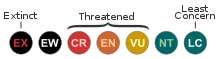
Growth: S = slow M = medium F = fast. Soil: L = light (sandy) M = medium H = heavy (clay). pH: A = acid N = neutral B = basic (alkaline). Shade: F = full shade S = semi-shade N = no shade. Moisture: D = dry M = Moist We = wet Wa = water.
Now available:
Food Forest Plants for Mediterranean Conditions
350+ Perennial Plants For Mediterranean and Drier Food Forests and Permaculture Gardens.
[Paperback and eBook]
This is the third in Plants For A Future's series of plant guides for food forests tailored to
specific climate zones. Following volumes on temperate and tropical ecosystems, this book focuses
on species suited to Mediterranean conditions—regions with hot, dry summers and cool, wet winters,
often facing the added challenge of climate change.
Read More
Expert comment
Author
(L.)Sweet.
Botanical References
200
Links / References
For a list of references used on this page please go here
Readers comment