Translate this page:
Summary
Taxonomic Note: This genus was formerly classified in the family Chenopodiaceae. Modern classifications include it within the Amaranthaceae.
Lambsquarter is one of the most abundant and widespread edible “weeds” in the world, naturalized throughout North America and long used as both a vegetable and a seed crop. It thrives in disturbed soils, agricultural fields, gardens, and riverbanks, producing large quantities of tender, nutritious leaves and highly edible seeds. The plant has a long global history as a food source: in India it is a cultivated green; in Europe it was eaten since the Neolithic; and in North America numerous Indigenous nations gathered both leaves and seeds for millennia. Its mild flavor, excellent nutritional value, and extremely high seed production make it one of the most important wild edible plants available to foragers. Identification is straightforward due to the mealy white coating on young leaves, the triangular leaf shape, and the dense clusters of inconspicuous green flowers. Although lambsquarter contains oxalates and saponins, it is safe when cooked and eaten in moderation.
Physical Characteristics

 Chenopodium album is a ANNUAL growing to 0.9 m (3ft) by 0.2 m (0ft 8in) at a fast rate.
See above for USDA hardiness. It is hardy to UK zone 4 and is not frost tender. It is in flower from July to October, and the seeds ripen from August to October. The species is hermaphrodite (has both male and female organs) and is pollinated by Wind.
Suitable for: light (sandy), medium (loamy) and heavy (clay) soils. Suitable pH: mildly acid, neutral and basic (mildly alkaline) soils and can grow in very acid and very alkaline soils.
It cannot grow in the shade. It prefers moist soil.
UK Hardiness Map
US Hardiness Map
Synonyms
C. reticulatum.
Plant Habitats
Cultivated Beds;
Edible Uses
Edible Parts: Flowers Leaves Seed
Edible Uses:
A top-tier wild edible producing excellent spinach-like greens and easily processed, highly nutritious quinoa-like seeds. Safe when cooked and exceptionally abundant, it remains one of the most important edible “weeds” worldwide. Edible Uses & Rating: Both the leaves and seeds are edible. Lambsquarter is an excellent wild vegetable with spinach-like leaves that serve well both raw and cooked. The seeds are also edible and were historically an important grain-like food, comparable in many ways to quinoa. As a wild edible, lambsquarter ranks extremely high: the leaves are flavorful, abundant, and nutritious, and the seeds represent a reliable caloric resource accessible in large quantities. Its rating among wild foods is exceptional, placing it among the best all-purpose edible plants in disturbed or cultivated landscapes [2-3]. Leaves - raw or cooked[2, 4, 5, 9, 12, 20, 54, 62, 102]. A very acceptable spinach substitute[183], the taste is a little bland but this can be improved by adding a few stronger-flavoured leaves[9]. One report says that, when eaten with beans, the leaves will act as a carminative to prevent wind and bloating[257]. The leaves are best not eaten raw, see the notes above on toxicity[74]. The leaves are generally very nutritious but very large quantities can disturb the nervous system and cause gastric pain[74]. The leaves contain about 3.9% protein, 0.76% fat, 8.93% carbohydrate, 3% ash[179]. A zero moisture basis analysis is also available[218]. Edible seed - dried and ground into a meal and eaten raw or baked into a bread[[2, 4, 12, 14, 54, 102, 183]. The seed can also be sprouted and added to salads[183]. The seed is very fiddly to harvest and use due to its small size[9]. Although it is rather small, we have found the seed very easy to harvest and simple enough to utilize[K]. The seed should be soaked in water overnight and thoroughly rinsed before being used in order to remove any saponins. The seed contains about 49% carbohydrate, 16% protein, 7% ash, 5.88% ash[114, 179]. Young inflorescences - cooked[183]. A tasty broccoli substitute[K]. Taste, Processing & Kitchen Notes: Fresh leaves have a mild, spinach-like flavor with a slightly salty undertone and no bitterness. The mealy surface can feel soft and pleasant and helps thicken soups when cooked. Leaves are excellent as salad greens when young, though the oxalate content makes long-term consumption of large raw quantities unwise. Cooking neutralizes harshness and improves digestibility, producing a flavor comparable to spinach but slightly richer [2-3]. Seeds are tiny but delicious when toasted or boiled. Toasting imparts a nutty, quinoa-like aroma. Boiling creates a soft porridge with a faint sweetness. Combining toasting and boiling often yields the best flavor and texture. Seeds can also be ground into flour for breads or pancakes. The papery pericarp is thin and softens during cooking; elaborate processing is rarely required [2-3]. Seasonality (Phenology): Lambsquarter germinates in spring and grows vigorously through summer, producing abundant leaves until flowering. Flowering typically begins in mid-summer, with seed ripening from late summer through autumn. Leaves remain edible until the plant becomes overly tough near maturity. Seeds persist on drying stalks well into late autumn, sometimes into early winter if not dispersed by wind or wildlife. Safety & Cautions (Food Use): Leaves contain oxalates and saponins, especially in older foliage. Cooking reduces these compounds significantly. Consuming very large quantities of raw leaves may cause digestive discomfort or—rarely—oxalate-related issues in susceptible individuals. Seeds are generally safe but should be cooked for digestibility. Avoid harvesting from chemically treated fields or roadsides [2-3]. Harvest & Processing Workflow: For leaf harvest, pick young growing tips or tender upper leaves in spring and early summer. Wash thoroughly to remove soil and the natural mealy coating. Use raw in salads or lightly steam or boil for cooked dishes. For seeds, wait until late summer or autumn when seed heads dry to a dark color. Strip seed clusters into a container, winnow lightly to remove excess chaff, and toast or boil. Storage is easy: dried seeds keep for months in airtight containers. Cultivar / Selection Notes: No named cultivars exist for C. album, though related species such as quinoa have been domesticated. Garden volunteers may vary in leaf size, color, and mealy coating. Look-Alikes & Confusion Risks: Goosefoot species are often confused with one another. Chenopodium berlandieri, C. fremontii, and C. pratericola can appear similar. Lambsquarter is distinguished by its triangular leaves, mealy white coating, and relatively mild odor. Young amaranths resemble goosefoots but have different leaf venation and lack the mealy surface. Traditional / Indigenous Use Summary: Many Indigenous nations—including Apache, Navajo, Hopi, Paiute, Pima, and Pueblo peoples—used lambsquarter as both a leafy green and seed crop. Leaves were boiled or dried for winter use, while seeds were ground into flour, used in porridge, baked into bread, or combined with other grains. Archaeological evidence shows lambsquarter seeds used in North America for over 8,000 years and possibly cultivated during the Eastern Agricultural Complex.
References More on Edible Uses
| Composition
|
| Figures in grams (g) or miligrams (mg) per 100g of food.
|
|
|
Leaves (Dry weight)
|
|
- 260 Calories per 100g
- Water : 0%
- Protein: 24g; Fat: 5g; Carbohydrate: 45g; Fibre: 15g; Ash: 28g;
- Minerals - Calcium: 2300mg; Phosphorus: 500mg; Iron: 25mg; Magnesium: 0mg; Sodium: 0mg; Potassium: 0mg; Zinc: 0mg;
- Vitamins - A: 31583mg; Thiamine (B1): 0.67mg; Riboflavin (B2): 1.58mg; Niacin: 2.5mg; B6: 0mg; C: 0mg;
- Reference: [ 218]
- Notes: The figures are the median of a range given in the report.
|
|
Medicinal Uses
Plants For A Future can not take any responsibility for any adverse effects from the use of plants. Always seek advice from a professional before using a plant medicinally.
Anthelmintic Antiphlogistic Antirheumatic Contraceptive Dysentery Laxative Odontalgic Urinary
Fat hen is not employed in herbal medicine, though it does have some gentle medicinal properties and is a very nutritious and healthy addition to the diet[268]. The leaves are anthelmintic, antiphlogistic, antirheumatic, mildly laxative, odontalgic[172, 222, 243, 268]. An infusion is taken in the treatment of rheumatism[257]. The leaves are applied as a wash or poultice to bug bites, sunstroke, rheumatic joints and swollen feet, whilst a decoction is used for carious teeth[218]. The seeds are chewed in the treatment of urinary problems and are considered useful for relieving the discharge of semen through the urine[272]. The juice of the stems is applied to freckles and sunburn[218]. The juice of the root is used in the treatment of bloody dysentery[272]. Food that comprises 25.5% of the powdered herb may suppress the oestrus cycle[218].
References More on Medicinal Uses
The Bookshop: Edible Plant Books
Our Latest books on Perennial Plants For Food Forests and Permaculture Gardens in paperback or digital formats.

Edible Tropical Plants
Food Forest Plants for Hotter Conditions: 250+ Plants For Tropical Food Forests & Permaculture Gardens.
More

Edible Temperate Plants
Plants for Your Food Forest: 500 Plants for Temperate Food Forests & Permaculture Gardens.
More

More Books
PFAF have eight books available in paperback and digital formats. Browse the shop for more information.
Shop Now
Other Uses
Dye Soap
A green dye is obtained from the young shoots[99]. The crushed fresh roots are a mild soap substitute[106]. Ecology & Wildlife: Seeds are eaten by many birds, including sparrows, finches, and doves. Leaves host certain caterpillars and insects, contributing to food web diversity. The plant accumulates minerals and nitrogen, improving soil fertility when it decomposes. Its abundant seed production is a major wildlife food resource in late autumn.
Special Uses
Dynamic accumulator Food Forest
References More on Other Uses
Cultivation details
Lambsquarter is one of the most reliable, nutritious, and abundant wild foods across North America. Its leaves rival spinach in culinary value, and its seeds provide a grain-like resource comparable to quinoa. Resilient in poor soils, tolerant of drought, and prolific in disturbed landscapes, it remains a staple plant for survivalists, gardeners, and foragers alike. An easily grown plant, succeeding in most soils but disliking shade[1, 200]. Lambsquarter thrives in rich, nitrogen-bearing soils—fertile farmland, compost heaps, gardens, and areas disturbed by human activity. It tolerates drought, heat, and poor soils but performs best in loose, fertile substrates with full sun. The plant readily colonizes plowed fields and abandoned lots, often emerging in vast numbers after disturbance. It is tolerant of moderate salinity and alkaline soils. prefers a moderately fertile soil[200]. Tolerates a pH range of 4.5 to 8.3. In moderate amounts, this plant is a good companion for potatoes, corn, and cucurbits[20, 54]. The plant responds directly to the magnesium content of the soil so it can be used to indicate the presence of that element[114]. Fat hen is occasionally cultivated as a food crop[46], there is at least one named variety[183]. Called 'Magenta' in reference to the colour of its leaves, it is considered by some people to be the best tasting of all potherbs[183]. Special Features:North American native. In garden design, as well as the above-ground architecture of a plant, root structure considerations help in choosing plants that work together for their optimal soil requirements including nutrients and water. The root pattern is fleshy. Thick or swollen - fibrous or tap root [2-1]. Form: Irregular or sprawling. Habitat & Range: This species is cosmopolitan and found throughout nearly all of North America. It dominates in agricultural landscapes, gardens, farm edges, riverbanks, vacant lots, and disturbed soils. In the Southwest, it occurs in irrigated fields, riparian corridors, canyon bottoms, and areas with soil enrichment. It is far less common in extremely dry, undisturbed desert zones. Size & Landscape Performance: Lambsquarter typically reaches 30–150 cm tall, but can exceed 2 meters in exceptionally rich soil. It forms upright, branching clumps rather than mats. In landscapes, it behaves as a persistent annual weed, sometimes producing dense stands. Its deep taproot helps uptake nutrients from the soil while stabilizing loose substrates. Cultivation (Horticulture): Although seldom intentionally cultivated in the West, lambsquarter grows readily when encouraged. Gardeners may treat it as a volunteer “spinach substitute.” It requires minimal care, germinates readily, and tolerates drought. To maintain tender leaves, consistent moisture is beneficial. Cutting young plants encourages branching and prolongs leaf production. Pests & Problems: Lambsquarter rarely suffers major pest damage. Leaf miners and flea beetles occasionally feed on leaves. Powdery mildew can appear in humid late-summer conditions but rarely impacts seed production. In gardens, it competes for water and nutrients and can overtake weaker crops if not managed. Cultivar / Selection Notes: No named cultivars exist for C. album, though related species such as quinoa have been domesticated. Garden volunteers may vary in leaf size, color, and mealy coating. Pollination: Flowers are wind-pollinated and produce little nectar. Their small, inconspicuous nature reflects their reliance on air currents rather than insect visitation. Seed set remains high even in isolated patches. Identification & Habit: Lambsquarter is an upright annual herb with a branching, often reddish-striped stem and noticeably powdery, white-mealy leaf surfaces, especially on new growth. The leaves are variable in shape—triangular, rhombic, or lanceolate—but typically have coarsely toothed margins and a pale, dusty appearance due to tiny reflective particles on the surface. The plant grows rapidly, often reaching waist height in rich soil. The inflorescences are clusters of small, green, petal-less flowers forming dense spikes or panicles at the tips of stems and in leaf axils. The plant frequently feels soft or flour-dusted to the touch, and the growing tips often appear as though dipped in chalk. By late summer, the flowers mature into masses of tiny, shiny black seeds held inside thin papery coverings.
References Carbon Farming Information and Carbon Sequestration Information
Temperature Converter
Type a value in the Celsius field to convert the value to Fahrenheit:
Fahrenheit:
The PFAF Bookshop
Plants For A Future have a number of books available in paperback and digital form. Book titles include Edible Plants, Edible Perennials, Edible Trees,Edible Shrubs, Woodland Gardening, and Temperate Food Forest Plants. Our new book is Food Forest Plants For Hotter Conditions (Tropical and Sub-Tropical).
Shop Now
Plant Propagation
Seed - sow spring in situ. Most of the seed usually germinates within a few days of sowing. It is usually unnecessary to sow the seed since the plant is a common garden weed and usually self-sows freely in most soils.
Other Names
If available other names are mentioned here
Missouri lambsquarters, Stevens' lambsquarters, Lateflowering goosefoot, white goosefoot. Hindi name: bathua or bathuwa. It is called Pappukura in Telugu, Paruppukkirai in Tamil, Kaduoma in Kannada, Vastuccira in Malayalam, and Chakvit in Konkani.
Native Range
TEMPERATE ASIA: Afghanistan, Iran, Iraq, Israel, Jordan, Lebanon, Syria, Turkey, Azerbaijan, Georgia EUROPE: Denmark, Finland, United Kingdom, Norway, Sweden, Austria, Belgium, Switzerland, Germany, Hungary, Luxembourg, Netherlands, Poland, Belarus, Lithuania, Latvia, Moldova, Ukraine, Albania, Bulgaria, Bosnia and Herzegovina, Greece, Croatia, Italy, North Macedonia, Romania, Serbia, Slovenia, Spain, France, Portugal AFRICA: Portugal (Madeira Islands), Algeria, Egypt, Libya, Morocco, Tunisia
Weed Potential
Right plant wrong place. We are currently updating this section.
Please note that a plant may be invasive in one area but may not in your area so it's worth checking.
This plant can be weedy or invasive. Cultivated in some regions but elsewhere considered a weed. Extensively cultivated and consumed in Northern India as a food crop. Lambsquarter is one of the most common agricultural weeds worldwide. Its prolific seeding, rapid growth, and tolerance of disturbance allow it to spread aggressively. It can compete with crops, though its edibility softens its “weed” reputation among foragers and gardeners. It is not generally invasive in native wildlands but dominates human-disturbed soils.
Conservation Status
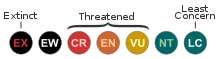
IUCN Red List of Threatened Plants Status : This taxon has not yet been assessed.
Growth: S = slow M = medium F = fast. Soil: L = light (sandy) M = medium H = heavy (clay). pH: A = acid N = neutral B = basic (alkaline). Shade: F = full shade S = semi-shade N = no shade. Moisture: D = dry M = Moist We = wet Wa = water.
Now available:
Food Forest Plants for Mediterranean Conditions
350+ Perennial Plants For Mediterranean and Drier Food Forests and Permaculture Gardens.
[Paperback and eBook]
This is the third in Plants For A Future's series of plant guides for food forests tailored to
specific climate zones. Following volumes on temperate and tropical ecosystems, this book focuses
on species suited to Mediterranean conditions—regions with hot, dry summers and cool, wet winters,
often facing the added challenge of climate change.
Read More
Expert comment
Author
L.
Botanical References
17
Links / References
For a list of references used on this page please go here
Readers comment
| Add a comment |
|
If you have important information about this plant that may help other users please add a comment or link below. Only comments or links that are felt to be directly relevant to a plant will be included. If you think a comment/link or information contained on this page is inaccurate or misleading we would welcome your feedback at [email protected]. If you have questions about a plant please use the Forum on this website as we do not have the resources to answer questions ourselves.
* Please note: the comments by website users are not necessarily those held by PFAF and may give misleading or inaccurate information.
|
Subject : Chenopodium album
|
|
|
|