Translate this page:
Summary
Capsicum annuum is a short-lived evergreen perennial producing fruit for up to three years. This species is widely grown worldwide, especially in warm temperate to tropical climates, for its edible fruit – the sweet and chilli peppers. There are five primary forms of fruits, each form having various varieties. These forms are Cerasiforme with small cherry-shaped pungent fruits; Ornamental Conioides with cone-shaped fruit up to 5 cm (2in) long; Fasciculatum is also cone-shaped but with intense red fruits up to 7.5cm (3in) long. Grossum are sweet peppers with large bell-shaped fruits and thick flesh. Longum are cultivated hot cayenne and chilli peppers with long, thin fruits up to 30cm (12in) long. The pungency of peppers depends upon the presence of a single gene; cultivars that lack this gene are sweet peppers. Sweet pepper plants are good companions for basil and okra. Chilli plants produce fruit within 3 – 4 months; continuous harvesting encourages the plant to produce more fruit. Bonnet Peppers (C. chinense- See earlier entry), native to Central America, are well known for their exceptional heat and unique flavour; extremely hot and intense fruits are used as a flavouring in savoury dishes. Various varieties are known for their extraordinary heat and taste; the hottest peppers in the world are members of this species.
Harvesting: Chilli peppers can be harvested from the first year all year, but typically from Late summer to autumn, depending on the variety and climate. Bloom Color: White.
Main Bloom Time: Early summer, Early fall, Late summer, Mid summer. Form: Upright or erect.
Physical Characteristics

 Capsicum annuum is an evergreen Perennial growing to 1 m (3ft 3in) by 1 m (3ft 3in) at a fast rate.
See above for USDA hardiness. It is hardy to UK zone 9 and is frost tender. It is in leaf all year, in flower from July to September, and the seeds ripen from August to October. The species is hermaphrodite (has both male and female organs). The plant is self-fertile.
It is noted for attracting wildlife.
Suitable for: light (sandy), medium (loamy) and heavy (clay) soils and prefers well-drained soil. Suitable pH: mildly acid, neutral and basic (mildly alkaline) soils and can grow in very acid and very alkaline soils.
It cannot grow in the shade. It prefers moist soil.
UK Hardiness Map
US Hardiness Map
Synonyms
Capsicum abyssinicum. Capsicum angulosum. Capsicum axi. Capsicum ustulatum
Plant Habitats
Cultivated Beds; South Wall. By. West Wall. By.
Edible Uses
Edible Parts: Flowers Fruit Leaves
Edible Uses: Colouring Condiment
Fruit - raw or cooked[2, 33, 105, 132]. Some varieties are very hot (the chilli and cayenne peppers) and are normally used as a pungent flavouring whilst milder varieties (the sweet peppers) have a very pleasant flavour with a slight sweetness and are often eaten raw in salads etc[142, 238]. The dried fruits of chilli and cayenne peppers is ground into a powder and used as a pungent flavouring called paprika[238]. The powder from the dried ground fruit of some cultivars is added to food as a colouring[183]. The fruits range widely in size and shape, from a few centimetres long to more than 30cm[200]. Young leaves are said to be edible[105] but some caution is advised. They are steamed as a potherb or added to soups and stews[183]. The leaves contain about 4 - 6% protein[183]. Seed - dried, ground into a powder and used as a pepper[2]. Flowers - raw or cooked[201].
References More on Edible Uses
Medicinal Uses
Plants For A Future can not take any responsibility for any adverse effects from the use of plants. Always seek advice from a professional before using a plant medicinally.
Antidiarrhoeal Antiemetic Antihaemorrhoidal Antirheumatic Antispasmodic Appetizer Digestive Irritant
Rubefacient Sialagogue
The fruit of the hot, pungent cultivars is antihaemorrhoidal when taken in small amounts, antirheumatic, antiseptic, diaphoretic, digestive, irritant, rubefacient, sialagogue and tonic[7, 238]. It is taken internally in the treatment of the cold stage of fevers, debility in convalescence or old age, varicose veins, asthma and digestive problems[238]. Externally it is used in the treatment of sprains, unbroken chilblains, neuralgia, pleurisy etc[238]. It is an effective sea-sickness preventative[7]. The German Commission E Monographs, a therapeutic guide to herbal medicine, approve Capsicum for muscular tension, rheumatism (see [302] for critics of commission E).
References More on Medicinal Uses
The Bookshop: Edible Plant Books
Our Latest books on Perennial Plants For Food Forests and Permaculture Gardens in paperback or digital formats.
Edible Tropical Plants
Food Forest Plants for Hotter Conditions: 250+ Plants For Tropical Food Forests & Permaculture Gardens.
More
Edible Temperate Plants
Plants for Your Food Forest: 500 Plants for Temperate Food Forests & Permaculture Gardens.
More
More Books
PFAF have eight books available in paperback and digital formats. Browse the shop for more information.
Shop Now
Other Uses
Companion
Agroforestry Uses: Sweet pepper plants are good companions for basil and okra[20, 201]. They should not be grown near apricot trees, however, because a fungus that the pepper is prone to can cause a lot of harm to the apricot tree[201]. 1. Nectary - Flowers rich in nectar and pollen:
Yes, Pepper plants produce flowers that can attract pollinators such as bees, although they are not particularly known for producing high amounts of nectar compared to other plants.
2. Wildlife - Food (Fruit, Seeds, Leaf litter, Shelter, Nesting, Roosting):
Yes – The fruits (both sweet and spicy varieties) are edible and provide food for both humans and wildlife. The seeds can also serve as food for some birds. While the leaves are not commonly eaten by wildlife, they can still provide some cover.
3. Invertebrate Shelter (Overwintering sites, Leaf litter, Groundcover):
Yes – Pepper plants can provide some shelter for beneficial insects, particularly in their foliage. However, they may not be as effective as some other plants in providing extensive overwintering sites or ground cover.
4. Pest Confuser (Smell):
Yes – The strong smell of the pepper plants can help deter some pests and might confuse them, making them useful in companion planting arrangements.
Special Uses
Food Forest
References More on Other Uses
Cultivation details
Landscape Uses:
Border, Container, Massing, Seashore, Specimen. Requires a very warm sunny position and a fertile well-drained soil. Prefers a light sandy soil that is slightly acid[201]. Tolerates a pH in the range 4.3 to 8.3. Plants can tolerate a small amount of frost[171], but this species does not normally do well outdoors in an average British summer and so it is usually grown in a greenhouse in this country[1]. However, if a very warm sheltered position outdoors is chosen then reasonable crops could be obtained in good summers. This species is widely grown throughout the world, but especially in warm temperate to tropical climates, for its edible fruit - the sweet and chilli peppers. There are many named varieties[183]. There are five basic forms of fruits, each form having various varieties. These forms are:- Cerasiforme. These have small cherry-shaped pungent fruits. Conioides. These fruits are cone-shaped and up to 5cm long. Many of them are grown as ornamentals, but some are also cultivated for food.. Fasciculatum. Also cone-shaped, but with pungent red fruits up to 7.5cm long. Grossum. These are the sweet peppers with large bell-shaped fruits and thick flesh. Longum. These are the cultivated hot cayenne and chilli peppers with long thin fruits up to 30cm long. The pungency of peppers depends upon the presence of a single gene, cultivars that lack this gene are the sweet peppers[238]. A short-lived evergreen perennial in the tropics[200], though the plants are grown as annuals in temperate zones[188]. Sweet pepper plants are good companions for basil and okra[20, 201]. They should not be grown near apricot trees, however, because a fungus that the pepper is prone to can cause a lot of harm to the apricot tree[201]. Special Features:Not North American native, Inconspicuous flowers or blooms. In garden design, as well as the above-ground architecture of a plant, root structure considerations help in choosing plants that work together for their optimal soil requirements including nutrients and water. The root pattern is fibrous dividing into a large number of fine roots [2-1]. Peppers are usually harvested in late summer to autumn, depending on the variety and climate.
Capsicum annuum typically flowers from late spring to early summer.
References Carbon Farming Information and Carbon Sequestration Information
Temperature Converter
Type a value in the Celsius field to convert the value to Fahrenheit:
Fahrenheit:
The PFAF Bookshop
Plants For A Future have a number of books available in paperback and digital form. Book titles include Edible Plants, Edible Perennials, Edible Trees,Edible Shrubs, Woodland Gardening, and Temperate Food Forest Plants. Our new book is Food Forest Plants For Hotter Conditions (Tropical and Sub-Tropical).
Shop Now
Plant Propagation
Seed - sow late winter to early spring in a warm greenhouse[138]. The seed usually germinates in 3 - 4 weeks at 20°c. Prick out the seedlings into individual pots of reasonably rich soil and grow them on fast. If trying them outdoors, then plant them out after the last expected frosts and give them the protection of a cloche or frame at least until they are established and growing away well.
Other Names
If available other names are mentioned here
Native Range
NORTHERN AMERICA: United States, Florida, Georgia (east), Louisiana, Texas, Arizona (south), Mexico, Chihuahua, Nuevo León, San Luis Potosí, Sinaloa, Sonora, Tamaulipas, Baja California Sur, Campeche, Chiapas, Guerrero, Jalisco, Michoacán de Ocampo, Morelos, Nayarit, Oaxaca, Querétaro, Quintana Roo, Tabasco, Veracruz de Ignacio de la Llave, Yucatán, SOUTHERN AMERICA: Anguilla, Netherlands Antilles, Bahamas, Barbados, Cayman Islands, Dominica, Dominican Republic, Guadeloupe, Grenada, Haiti, Jamaica, St. Kitts and Nevis, St. Lucia, Montserrat, Martinique, United States, Puerto Rico, St. Vincent and Grenadines, Belize, Costa Rica, Guatemala, Honduras, Nicaragua, Panama, Colombia,
Weed Potential
Right plant wrong place. We are currently updating this section.
Please note that a plant may be invasive in one area but may not in your area so it's worth checking.
Conservation Status
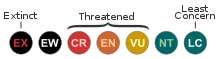
IUCN Red List of Threatened Plants Status :
Growth: S = slow M = medium F = fast. Soil: L = light (sandy) M = medium H = heavy (clay). pH: A = acid N = neutral B = basic (alkaline). Shade: F = full shade S = semi-shade N = no shade. Moisture: D = dry M = Moist We = wet Wa = water.
Now available:
Food Forest Plants for Mediterranean Conditions
350+ Perennial Plants For Mediterranean and Drier Food Forests and Permaculture Gardens.
[Paperback and eBook]
This is the third in Plants For A Future's series of plant guides for food forests tailored to
specific climate zones. Following volumes on temperate and tropical ecosystems, this book focuses
on species suited to Mediterranean conditions—regions with hot, dry summers and cool, wet winters,
often facing the added challenge of climate change.
Read More
Expert comment
Author
L.
Botanical References
200
Links / References
For a list of references used on this page please go here
Readers comment