Translate this page:
Summary
Fowl mannagrass is a widespread North American wetland grass found from open marshes and lakeshores to shaded woodland seeps and pond margins. It is generally smaller and more adaptable to shade than some of the larger mannagrasses. Its edible grains were gathered traditionally, but their tiny size and tendency to shed quickly make them labor-intensive. The species is valuable in wetland gardens and restoration because it tolerates both open and partly wooded conditions. Its soft panicles and fine foliage provide wildlife cover without the overwhelming bulk of giant reed-like species. Fowl mannagrass, Glyceria striata, belongs to the grass family (Poaceae) and the genus Glyceria. The older name Glyceria nervata is now treated as a synonym. Common names include fowl mannagrass, fowl manna grass, nerved mannagrass, and ridged mannagrass. It is a native perennial wetland grass generally suited to USDA Zones 3–9. Plants usually grow about 40–120 cm tall and may spread 30–90 cm through short rhizomes and rooting stems.
Physical Characteristics

 Glyceria striata is a PERENNIAL growing to 1.2 m (4ft) by 0.9 m (3ft in).
See above for USDA hardiness. It is hardy to UK zone 4. The species is hermaphrodite (has both male and female organs) and is pollinated by Wind.
Suitable for: light (sandy), medium (loamy) and heavy (clay) soils. Suitable pH: mildly acid, neutral and basic (mildly alkaline) soils. It can grow in semi-shade (light woodland) or no shade. It prefers moist or wet soil and can grow in water.
UK Hardiness Map
US Hardiness Map
Synonyms
Panicularia striata (Lam.) Hitchc. Poa lamarckii Kunth. Poa striata Lam. Glyceria nervata (Willd.) Trin. Glyceria nervata var. rigida (Nash) Lunell. Glyceria nervata var. stricta (Scribn.) Hitchc. Glyceria nervata f. stricta (Scribn.) House
Plant Habitats
Pond; Bog Garden;
Edible Uses
Edible Parts: Seed
Edible Uses:
The mature grains are edible and can be roasted, boiled or ground. The leafy material is not recommended as human food. As with other mannagrasses, grain use should not be interpreted as confirmation that all green parts are safe. The grain is most practical as a supplementary seed mixed with other wild grains. It is too small and quickly dispersed to compete with domesticated cereals, but dense stands can still yield a useful seasonal harvest [2-3]. Edible Uses & Rating: Fowl mannagrass receives an edible rating of 2.5/5. The grain is legitimate and historically used, but it is extremely small. Minnesota Wildflowers describes mature grains as only about 1 mm long and notes that the florets ripen quickly and often fall before complete maturity. The grain may be parched and eaten with other seeds, boiled into a soft porridge or ground into mixed meal. Its culinary potential is reasonable, but harvest efficiency is low [2-3]. Taste, Processing & Kitchen Notes:, The flavor is expected to be mild, sweetish and cereal-like, consistent with the traditional reputation of mannagrasses. Light roasting should improve aroma and create a more nutty character. The grain is too small to hull individually, so the aim is to remove as much coarse chaff as possible through repeated threshing, winnowing, and sifting [2-3]. Whole cooked grains can thicken soups or porridge. Ground grain may be mixed with cornmeal, nut meal or larger grass grains. Because it is small and has a high, surface area, it can scorch quickly during roasting and should be stirred constantly over low heat. Seasonality (Phenology): Fowl mannagrass generally blooms in July and August, with grain maturing from late August through October. Timing varies with latitude, elevation, shade, and water availability. The seed heads must be watched carefully because the mature florets shed rapidly. Waiting for every spikelet to turn fully brown may result in the loss of most of the crop [2-3]. Safety & Cautions (Food Use): Use only mature, clean grain. Discard seed heads affected by mold, ergot-like bodies, unusual discoloration, or unpleasant odors. Never harvest from wetlands exposed to sewage, industrial discharge, herbicide runoff, or heavy livestock contamination. Green leaves and stems should not be used as a human vegetable. Cyanogenic compounds have been reported in some members of Glyceria, particularly foliage, and concentrations can vary with plant stress and growth stage. The traditional food use discussed here applies to processed grain. Wetland harvesting also presents physical risks, including unstable mud, deep water, and contamination by animal waste. Harvest from firm, accessible margins whenever possible [2-3]. Harvest & Processing Workflow: Place a basket, sheet or shallow container below the ripe panicles and tap them gently. Because the florets detach readily, this can be more efficient than cutting whole stems. Revisit the stand over several days as additional grains mature. Dry the material immediately. Rub gently to release remaining grains, then winnow and sift several times. Examine the grain closely before light roasting, boiling, or grinding. Store in a sealed container only after it is thoroughly dry. Cultivar/Selection Notes: There are no recognized culinary cultivars. Native wetland nurseries sell the species for restoration, shoreline planting, and wildlife projects. Local ecotypes should be favored because they are more likely to match regional hydrology and winter conditions. Potential food selections would favor larger grains, synchronized maturation, and improved seed retention, but no such domesticated line is widely available [2-3]. Look-Alikes & Confusion Risks: Fowl mannagrass resembles other Glyceria species, including American mannagrass and northern mannagrass. It can also resemble wetland bluegrasses and sweetgrasses. Close examination of the panicle, spikelets, glumes, lemmas, and ligules is usually required. Its grains are notably small, and its open panicle bears numerous short spikelets. Minnesota Wildflowers notes that it is widespread in wet habitats and can be separated from larger American mannagrass by its smaller spikelets, lemmas, and ligules. Traditional/Indigenous Use Summary: Fowl mannagrass grain was gathered by Indigenous peoples as part of diverse wetland seed harvests. Its use reflects careful observation of ripening stages and an ability to process very small grains efficiently. These wild grains probably complemented rather than replaced larger staple foods. Their importance would have been greatest where colonies were dense, access was easy, and harvest coincided with other seasonal resources [2-3]. Seed[105, 161]. No more details, but the seed is very small and fiddly to harvest[K].
References More on Edible Uses
Medicinal Uses
Plants For A Future can not take any responsibility for any adverse effects from the use of plants. Always seek advice from a professional before using a plant medicinally.
Glyceria striata (fowl mannagrass) has no widely documented or clinically verified medicinal uses in modern herbalism. While related grasses are sometimes used in traditional medicine. Historically, some closely related mannagrass species (such as Glyceria aquatica/water whirlgrass) were occasionally used in folk remedies as a general tonic or stimulant, but these uses are not associated with Glyceria striata. Additionally, some strains can produce cyanogenic compounds that are toxic to cattle, so ingestion should always be avoided.
References More on Medicinal Uses
The Bookshop: Edible Plant Books
Our Latest books on Perennial Plants For Food Forests and Permaculture Gardens in paperback or digital formats.

Edible Tropical Plants
Food Forest Plants for Hotter Conditions: 250+ Plants For Tropical Food Forests & Permaculture Gardens.
More

Edible Temperate Plants
Plants for Your Food Forest: 500 Plants for Temperate Food Forests & Permaculture Gardens.
More

More Books
PFAF have eight books available in paperback and digital formats. Browse the shop for more information.
Shop Now
Other Uses
Its relatively fine texture works well in naturalistic pond edges, woodland wetlands and rain gardens that remain consistently moist. It is less architectural than cattails or large sedges, but it blends naturally into mixed wetland vegetation and provides useful low-to-medium-height cover. It is appropriate for native wetland restoration, shaded pond margins and moist woodland gardens. It is unsuitable for ordinary dry borders. Ecology & Wildlife: Fowl mannagrass provides cover for small animals, aquatic-edge birds and invertebrates. Geese feed on its foliage, and the seeds may be eaten by birds and small mammals. Prairie Moon notes that it offers cover for small animals and is palatable to several domestic grazing animals. Its roots protect saturated soil, while the foliage slows surface flow and helps filter suspended sediment. In mixed native wetlands, it contributes both structural diversity and seasonal grain for wildlife.
Special Uses
References More on Other Uses
Cultivation details
Fowl mannagrass is an edible-grained native wetland grass with moderate traditional value and high ecological usefulness. Its grain is pleasant in principle but difficult to gather in quantity because of its minute size and rapid shedding. For most modern growers, it is more valuable as a restoration and wildlife plant than as a crop. For knowledgeable foragers, it remains a meaningful example of the many small native grains once used across North America. Growing Conditions: Fowl mannagrass prefers moist to saturated soil and tolerates shallow flooding. It grows in full sun, partial shade and even relatively shaded wet woods. This adaptability distinguishes it from wetland grasses that require open marsh conditions. Suitable sites include pond margins, marshes, seeps, wet meadows, woodland pools and stream edges. It prefers freshwater or only weakly mineralized conditions rather than strongly saline wetlands. Habitat & Range: Fowl mannagrass is widespread across temperate North America. It occurs in open marshes, wetlands and lakeshores as well as shaded woodland ponds. Its broad range and flexible light tolerance make it one of the most frequently encountered native mannagrasses. Size & Landscape Performance: The plant forms loose clumps or small colonies with slender stems and airy panicles. Its relatively fine texture works well in naturalistic pond edges, woodland wetlands, and rain gardens that remain consistently moist. It is less architectural than cattails or large sedges, but it blends naturally into mixed wetland vegetation and provides useful low-to-medium-height cover. Cultivation (Horticulture): Sow seed onto wet soil, mud, or saturated potting medium, pressing it into the surface without burying it deeply. Maintain constant moisture during germination and establishment. Nursery plugs can be planted directly into wet soil at or just above the waterline. The species may spread slowly by rhizomes. It is appropriate for native wetland restoration, shaded pond margins and moist woodland gardens. It is unsuitable for ordinary dry borders. Pests & Problems: Grain shattering is the principal difficulty for food production. In gardens, plants can become floppy in highly fertile or deeply shaded sites. Prolonged drought can cause decline. Fowl mannagrass also serves as a host for some specialist insects. One documented example is the moth Elachista irrorata. Geese feed on the foliage, and livestock may also graze it. Identification & Habit: Fowl mannagrass is a perennial, moisture-loving grass with flat leaves and erect to ascending flowering stems. The panicle is open and branched, bearing many small, laterally compressed spikelets. The leaf sheaths are closed, and the lemmas show conspicuous veins characteristic of Glyceria. Mature florets turn brown and may fall rapidly, leaving the small glumes behind on the panicle branches. Pollinators: Fowl mannagrass is wind-pollinated and provides little direct nectar or pollen value to bees, butterflies, or other flower-visiting insects. Its ecological support for insects comes instead from foliage, stems, and wetland structure. The plant may serve as a host or shelter plant for moth larvae and aquatic or semi-aquatic invertebrates.
References Carbon Farming Information and Carbon Sequestration Information
Temperature Converter
Type a value in the Celsius field to convert the value to Fahrenheit:
Fahrenheit:
The PFAF Bookshop
Plants For A Future have a number of books available in paperback and digital form. Book titles include Edible Plants, Edible Perennials, Edible Trees,Edible Shrubs, Woodland Gardening, and Temperate Food Forest Plants. Our new book is Food Forest Plants For Hotter Conditions (Tropical and Sub-Tropical).
Shop Now
Plant Propagation
Propagation is by seed, division and natural rhizome expansion. Fresh seed can be surface-sown into saturated media. Cool, moist stratification may improve germination where seed dormancy is present. Established clumps can be divided during cool spring or autumn weather. Divisions must be kept wet throughout handling and establishment.
Other Names
If available other names are mentioned here
Fowl mannagrass, fowl manna grass, nerved mannagrass, and ridged mannagrass.
Native Range
NORTHERN AMERICA: Canada (Northwest Territories, Yukon, Québec, Nova Scotia, Ontario, Prince Edward Island, New Brunswick, Newfoundland and Labrador, Saskatchewan, Alberta, Manitoba, British Columbia), United States (Alaska, Connecticut, Indiana, Maine, Massachusetts, Michigan, New Hampshire, New Jersey, New York, Ohio, Pennsylvania, Rhode Island, Vermont, West Virginia, Illinois, Iowa, Kansas, Minnesota, Missouri, Nebraska, North Dakota, Oklahoma, South Dakota, Wisconsin, Colorado, Idaho, Montana, Oregon, Washington, Wyoming, Alabama, Arkansas, Delaware, Florida (northwest), Georgia, Kentucky, Louisiana, Maryland, Mississippi, North Carolina, South Carolina, Tennessee, Virginia, New Mexico, Texas, Arizona, California, Nevada, Utah), Mexico (Chihuahua, Coahuila de Zaragoza, Nuevo León, Sonora, Chiapas, Ciudad de México, Hidalgo, México, Morelos, Oaxaca, Puebla) SOUTHERN AMERICA: Guatemala
Weed Potential
Right plant wrong place. We are currently updating this section.
Please note that a plant may be invasive in one area but may not
in your area so it's worth checking.
Fowl mannagrass has low to moderate weed potential. It can spread within suitable wetlands, but it is a native species and generally does not create the severe monocultures associated with invasive reed mannagrass. In a small artificial pond, some control may be needed to prevent it occupying more shoreline than intended. Outside wet or saturated ground, its capacity to spread is limited.
Conservation Status
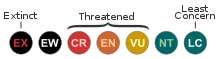
IUCN Red List of Threatened Plants Status : Least Concern.
IUCN Red List
Growth: S = slow M = medium F = fast. Soil: L = light (sandy) M = medium H = heavy (clay). pH: A = acid N = neutral B = basic (alkaline). Shade: F = full shade S = semi-shade N = no shade. Moisture: D = dry M = Moist We = wet Wa = water.
Now available:
Food Forest Plants for Mediterranean Conditions
350+ Perennial Plants For Mediterranean and Drier Food Forests and Permaculture Gardens.
[Paperback and eBook]
This is the third in Plants For A Future's series of plant guides for food forests tailored to
specific climate zones. Following volumes on temperate and tropical ecosystems, this book focuses
on species suited to Mediterranean conditions—regions with hot, dry summers and cool, wet winters,
often facing the added challenge of climate change.
Read More
Expert comment
Author
(Lam.)Hitchc.
Botanical References
4350236
Links / References
For a list of references used on this page please go here
Readers comment
| Add a comment |
|
If you have important information about this plant that may help other users please add a comment or link below. Only comments or links that are felt to be directly relevant to a plant will be included. If you think a comment/link or information contained on this page is inaccurate or misleading we would welcome your feedback at [email protected]. If you have questions about a plant please use the Forum on this website as we do not have the resources to answer questions ourselves.
* Please note: the comments by website users are not necessarily those held by PFAF and may give misleading or inaccurate information.
|
Subject : Glyceria striata
|
|
|
|