Translate this page:
Summary
Taxonomic Note: This genus was formerly classified in the family Chenopodiaceae. Modern classifications include it within the Amaranthaceae.
Epazote is a strongly aromatic herb native to Central and South America but widely naturalized in warmer parts of the United States, including scattered locations in the Southwest. Unlike other goosefoots, epazote is valued primarily as a seasoning herb, not a bulk food plant. Its pungent, resinous flavor has long been integral to Mexican and Central American cuisine, where it is used sparingly in bean dishes, soups, stews, and traditional moles. Although the leaves are technically edible, they contain high levels of ascaridole, a neurotoxic monoterpene once used medicinally as a vermifuge. Because of this, epazote must be approached with caution: culinary use should remain minimal, and seeds should never be eaten as food. Despite its risks, epazote remains an important cultural herb, offering a unique flavor unattainable from any substitute. As a wild food in the American Southwest, however, its practical value is extremely low because it occurs mainly as an escape from cultivation and carries significant toxicity concerns.
Chenopodium ambrosioides L. is a synonym of Dysphania ambrosioides (L.) Mosyakin & Clemants. This plant is now known as Dysphania ambrosioides.
Physical Characteristics

 Chenopodium ambrosioides is a ANNUAL/PERENNIAL growing to 1 m (3ft 3in) by 0.7 m (2ft 4in).
See above for USDA hardiness. It is hardy to UK zone 7 and is frost tender. It is in flower from July to October, and the seeds ripen from August to October. The species is hermaphrodite (has both male and female organs) and is pollinated by Wind.
Suitable for: light (sandy), medium (loamy) and heavy (clay) soils. Suitable pH: mildly acid, neutral and basic (mildly alkaline) soils and can grow in very alkaline soils.
It cannot grow in the shade. It prefers moist soil.
UK Hardiness Map
US Hardiness Map
Synonyms
Dysphania ambrosioides (L.) Mosyakin & Clemants
Plant Habitats
Cultivated Beds;
Edible Uses
Edible Parts: Leaves Seed
Edible Uses: Tea
Only a very small amount of leaf may be used safely as a culinary seasoning. Strong, resinous flavor; unmistakable aroma; meaningful toxicity. Seeds and large quantities of leaves must be avoided. Best understood as a cultural herb, not a wild edible plant. Leaves - cooked[2]. The tender leaves are sometimes used as a potherb[183]. Used as a condiment in soups etc[46, 61, 105], they are said to reduce flatulence if eaten with beans[183]. The leaves have a rank taste due to the presence of resinous dots and sticky hairs[85]. The raw leaves should only be eaten in small quantities, see the notes above on toxicity. Seed - cooked[105, 161]. The seed is small and fiddly, it should be soaked in water overnight and thoroughly rinsed before it is used in order to remove any saponins. An infusion of the leaves is a tea substitute[183]. Edible Uses & Rating: Only the leaves, used sparingly as a culinary herb, can be considered edible, and even then, only with caution. All other parts—particularly the seeds—should be avoided as food due to their high ascaridole content. As an herb, epazote brings a distinctive flavor profile that has been central to traditional Mexican cooking for centuries, but as a wild edible plant, it rates extremely low because it provides no safe bulk nutrition, is chemically unstable, and carries documented toxicity risks. In a culinary context, however, it is valued as a seasoning rather than a consumed vegetable [2-3]. Taste, Processing & Kitchen Notes: Epazote’s flavor is intensely herbaceous, resinous, and medicinal. Fresh leaves can evoke associations with turpentine, varnish, creosote, citrus, savory, menthol, oregano, or even skunk musk—descriptions that reflect its complex chemistry more than its culinary appeal. When used in very small quantities, the herb adds depth to bean dishes, helping neutralize gas-producing compounds and enhancing digestibility [2-3]. Dried epazote develops a milder, hay-like aroma reminiscent of an herbarium, lacking the sharper resinous notes of the fresh plant. The transformation from fresh to dried is dramatic: drying softens many of the aggressive tones but also reduces culinary power. In traditional cooking, fresh leaves are preferred, added in the last minutes of cooking to preserve volatile aromatics [2-3]. Epazote should never be used in bulk. A few leaves suffice for a pot of beans; more than that introduces risk of nausea or neurological symptoms. Seeds must never be used as food. Seasonality (Phenology): Epazote emerges in spring and grows vigorously through the heat of summer, thriving in warm soils and full sun. Flowering usually begins mid- to late summer, with seeds maturing in early autumn. Because the plant reseeds heavily, it often appears year after year in gardens or disturbed sites. Safety & Cautions (Food Use): This species requires significant caution. Epazote contains ascaridole, a potent neurotoxin and gastrointestinal irritant. Historically used to expel intestinal worms, ascaridole is toxic at moderate doses and can cause nausea, headache, dizziness, disorientation, heartbeat irregularities, convulsions, or coma. Toxicity is greatest in the seeds and essential oil, but leaves also contain substantial amounts. Heating reduces but does not eliminate ascaridole completely. Use only in very small culinary amounts. Avoid during pregnancy, breastfeeding, or in individuals with liver, kidney, or neurological disorders. Seeds should never be eaten. Harvest & Processing Workflow: Harvest fresh leaves sparingly, selecting young shoots with the mildest flavor. Rinse thoroughly. For cooking, add leaves late in the process to retain their aromatic properties. For drying, hang small bundles in shade with good airflow; store dried leaves airtight. Do not harvest seeds. Any plant parts intended for culinary use should be handled cautiously and measured carefully. Look-Alikes & Confusion Risks: Other Dysphania and Chenopodium species resemble epazote but lack its penetrating odor. Oakleaf goosefoot (Dysphania botrys) and fetid goosefoot (Dysphania graveolens) also emit strong scents but differ in leaf shape and resin glands. Mild goosefoots such as lambsquarter can be distinguished by their mealy leaf coating and mild aroma. For safety, rely on smell: epazote’s volatile odor is unmistakable. Traditional / Indigenous Use Summary: Across Mesoamerica, epazote has been used for centuries as a culinary herb and medicinal vermifuge. Indigenous peoples valued it as a parasite remedy, a digestive aid for bean dishes, and a seasoning for classic foods such as black beans, tamales, and moles. In the United States, it holds minimal ethnobotanical presence among Southwest tribes, largely because it is not strongly native there. Historical medicinal uses involved extremely careful dosing due to the plant’s toxicity.
References More on Edible Uses
Medicinal Uses
Plants For A Future can not take any responsibility for any adverse effects from the use of plants. Always seek advice from a professional before using a plant medicinally.
Analgesic Antiasthmatic Antifungal Carminative Dysentery Stomachic Vermifuge
Mexican tea is a Central American herb that has been used for centuries to expel parasitic worms from the body[254]. The whole plant is analgesic, antiasthmatic, carminative, stomachic and vermifuge[1, 4, 21, 57, 145, 147, 171]. An infusion can be used as a digestive remedy, being taken to settle a wide range of problems such colic and stomach pains[254]. Externally, it has been used as a wash for haemorrhoids, as a poultice to detoxify snake bites and other poisons and is thought to have wound-healing properties[254]. Use with caution and preferably under the supervision of a qualified practitioner[21, 238]. This remedy should not be prescribed for pregnant women[238]. See also the notes above on toxicity. Until fairly recently, this was one of the most commonly used vermifuges, though it has now been largely replaced by synthetic drugs[222]. The seed, or an essential oil expressed from the seed, was used[213]. It is very effective against most parasites, including the amoeba that causes dysentery, but is less effective against tapeworm[213, 238]. Fasting should not precede its use and there have occasionally been cases of poisoning caused by this treatment[213]. The oil is used externally to treat athlete's foot and insect bites[238]. One report says that it is an essential oil that is utilised[240]. This is obtained from the seed or the flowering stems, it is at its highest concentration in the flowering stems before seed is set, these contain around 0.7% essential oil of which almost 50% is the active vermifuge ascaridol[240]. The essential oil is of similar quality from plants cultivated in warm climates and those in cool climates[240]. The leaves are added in small quantities as a flavouring for various cooked bean dishes because their carminative activity can reduce flatulence[222].
References More on Medicinal Uses
The Bookshop: Edible Plant Books
Our Latest books on Perennial Plants For Food Forests and Permaculture Gardens in paperback or digital formats.
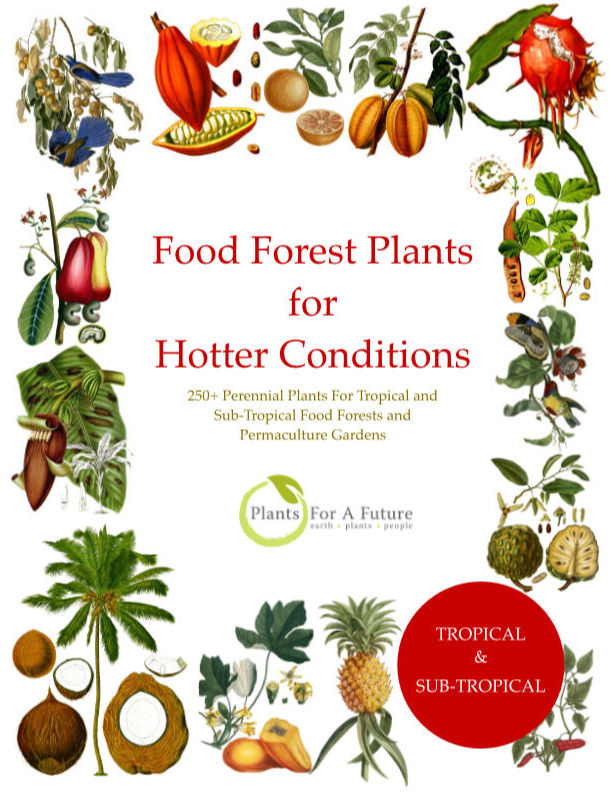
Edible Tropical Plants
Food Forest Plants for Hotter Conditions: 250+ Plants For Tropical Food Forests & Permaculture Gardens.
More
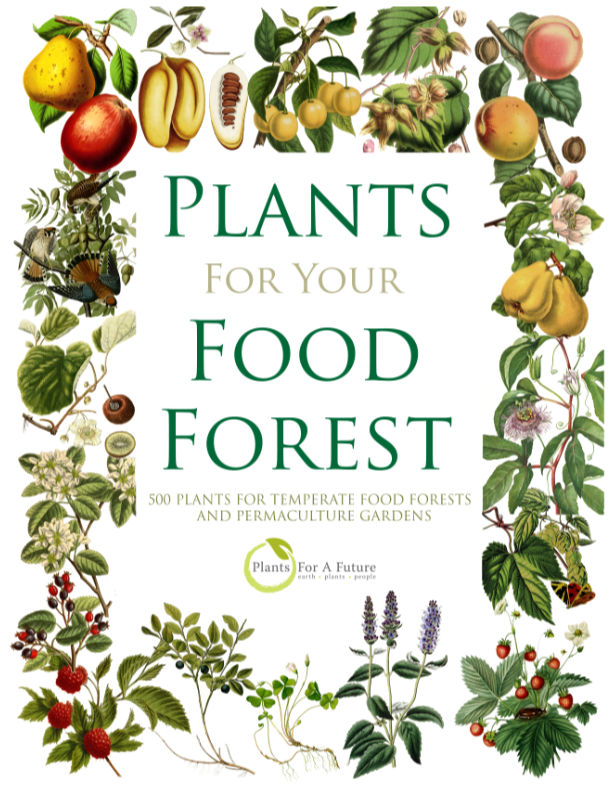
Edible Temperate Plants
Plants for Your Food Forest: 500 Plants for Temperate Food Forests & Permaculture Gardens.
More
More Books
PFAF have eight books available in paperback and digital formats. Browse the shop for more information.
Shop Now
Other Uses
Dye Insecticide
The plant is used as a fumigant against mosquitoes and is also added to fertilizers to inhibit insect larvae[238]. Gold/green dyes can be obtained from the whole plant[168]. Ecology & Wildlife:
The plant’s resinous chemistry discourages herbivory; few animals consume it willingly. Pollination is primarily wind-mediated, as flowers are non-showy and produce little nectar. Insects occasionally visit epazote but it is not a major wildlife food source. However, its dense growth can provide cover for ground insects and small arthropods.
Special Uses
Food Forest Scented Plants
References More on Other Uses
Cultivation details
Epazote is a culturally important herb but a poor wild food. Its flavor is distinct, powerful, and irreplaceable in traditional Mexican cooking, yet its toxicity demands caution and minimal use. As a seasoning herb it excels; as a bulk foraged plant it fails. In the Southwest, its sporadic distribution and toxicity render it of little practical foraging value. An easily grown plant, succeeding in most soils but disliking shade[1, 200]. It prefers a moderately fertile soil[200]. Tolerates a pH in the range 5.2 to 8.3. Plants are annuals or short-lived perennials[238]. They are not very hardy when grown outdoors in Britain and so are best grown as an annual[238]. Plants have often self-sown freely in our Cornish trial grounds, but the seed often germinates in the autumn and then does not manage to survive the winter[238]. This species is sometimes grown as a medicinal and culinary plant, especially in its native Mexico. The sub-species C. ambrosioides anthelminticum is more active medicinally and is the form most often cultivated for its vermicidal activity[238]. The bruised leaves emit an unpleasant foetid odour[245]. In garden design, as well as the above-ground architecture of a plant, root structure considerations help in choosing plants that work together for their optimal soil requirements including nutrients and water. The root pattern is fleshy. Thick or swollen - fibrous or tap root [2-1]. Growing Conditions: Warmth, nitrogen-rich soils, and periodic moisture support robust growth. Epazote is tolerant of drought once established but grows best with consistent summer irrigation. It readily colonizes compost piles, fence lines, gardens, and cultivated edges. The species prefers full sun but tolerates partial shade. In the Southwest, it occurs primarily around human habitation rather than in wild desert habitats. Habitat & Range: Native to tropical and subtropical regions of the Americas, epazote is now widespread in warm regions worldwide. In the United States, it is most common in the Southeast, the southern Plains, and coastal California. In the US Southwest, it appears infrequently, generally as a garden escape or isolated roadside plant rather than a common wild species. It favors disturbed ground, cultivated soils, and moist microhabitats. Size & Landscape Performance: Plants typically grow 30–100 cm tall, forming loose, open clumps with branching upper stems. In favorable conditions, epazote can approach 1.5 meters. In landscapes it behaves as a persistent volunteer—tolerated in some gardens for its culinary value, controlled or removed in others due to its odor and toxicity. It is not aggressively invasive but reseeds prolifically. Cultivation (Horticulture): Garden-grown epazote is safer and more reliably flavored than wild-collected plants. It is commonly grown from seed in Mexican herb gardens. Once established, it requires little care beyond occasional watering. Because the plant readily self-sows, gardeners often find new seedlings appearing each year. Cultivation should always include clear labeling due to toxicity risks. Harvest leaves selectively, avoiding overconsumption. Pests & Problems: Epazote experiences few pest issues, partly because its strong volatile compounds deter insects and mammals. In cultivation, excessive watering may cause root rot or fungal spotting, but these rarely compromise the plant’s survival. It can become leggy if grown in shade. Cultivar / Selection Notes: No formal cultivars exist. Garden variants differ slightly in aroma intensity, leaf size, and branching habit. Flavor strength varies with soil fertility, heat, and plant age. Identification & Habit: Epazote is an erect, branching herb with a distinctive, penetrating odor that immediately separates it from mild, spinach-like goosefoots. The stems are often reddish or green and become woody toward the base. Leaves are simple, alternate, lanceolate to elliptic, with irregular, shallow teeth and a slightly crinkled surface. Numerous tiny, resinous glands give the plant its characteristic shine and strong scent. Flowers are minute, green, and clustered tightly along elongated terminal spikes. The plant is visually unremarkable until crushed, at which point the unmistakable medicinal, resinous aroma becomes dominant. It thrives in disturbed soils, edges of fields, and warm microhabitats where moisture persists.
References Carbon Farming Information and Carbon Sequestration Information
Temperature Converter
Type a value in the Celsius field to convert the value to Fahrenheit:
Fahrenheit:
The PFAF Bookshop
Plants For A Future have a number of books available in paperback and digital form. Book titles include Edible Plants, Edible Perennials, Edible Trees,Edible Shrubs, Woodland Gardening, and Temperate Food Forest Plants. Our new book is Food Forest Plants For Hotter Conditions (Tropical and Sub-Tropical).
Shop Now
Plant Propagation
Seed - whilst it can be sown in situ in mid to late spring, we have had better results by sowing the seed in a cold frame in early spring. Put a few seeds in each pot and thin to the best plant if necessary. Germination rates are usually very good and the seedlings should appear within a few days of sowing the seed. Plant out in late spring, after the last expected frosts.
Other Names
If available other names are mentioned here
Chenopodium ambrosioides L. First published in Sp. Pl.: 219 (1753)is a synonym of Dysphania ambrosioides. American wormseed; bluebush; Indian goosefoot; Jerusalem-tea; Mexican tea; Spanish-tea; wormseed. Spanish: apazote; aposote; biengranada; epazote; hierba hormiguera; huacatay; paico; pasote; pazote; pichan; pichen. French: ambroisie du Mexique; botrice; chenopode ambroisine; feuilles à vers; herbe à puces; herbe à vers; thé du Mexique; vermifuge. Chinese: tu jing jie. Bahamas: Jerusalem parsley. Brazil: ambrósia; ambrósia-do-México; anserina-vermífuga; ereva-mata-pulga; erva-das-lombrigas; erva-de-bicho; erva-de-Santa-Maria; erva-formigueira; mastruço; menstruço. Central America: epazote. Dominican Republic: chénopode; semen contra; semin contra. Haiti: simón contegras. Jamaica: bitter weed; hedge mustard; semicontract. Lesser Antilles: boldo; semen contra; worm bush; wormwood.
Native Range
NORTHERN AMERICA: United States (Indiana, New Jersey, New York, Ohio, Pennsylvania, West Virginia, Illinois, Iowa, Kansas, Missouri, Nebraska, Oklahoma, Alabama, Arkansas, Delaware, District of Columbia, Florida, Georgia, Kentucky, Louisiana, Maryland, Mississippi, North Carolina, South Carolina, Tennessee, Virginia, New Mexico, Texas, Arizona, California, Utah), Mexico (Baja California (Norte), Baja California Sur, Coahuila de Zaragoza, Nuevo León, San Luis Potosí, Sonora, Tamaulipas, Campeche, Chiapas, Guanajuato, Guerrero, Hidalgo, Jalisco, México, Michoacán de Ocampo, Oaxaca, Querétaro, Quintana Roo, Veracruz de Ignacio de la Llave, Yucatán) SOUTHERN AMERICA: Belize, Costa Rica, Guatemala, Honduras, Nicaragua, Panama, El Salvador, French Guiana, Guyana, Suriname, Venezuela, Bolivia, Colombia, Peru, Argentina, Chile, Paraguay
Weed Potential
Right plant wrong place. We are currently updating this section.
Please note that a plant may be invasive in one area but may not
in your area so it's worth checking.
Dysphania ambrosioides is one of the most successful herbs colonizing both disturbed and agricultural areas in almost all continents. It is included in the Global Compendium of Weeds where it is listed as a noxious weed in the United States, Central and South America, Asia, Africa, Australia and Europe (Randall, 2012). This species is considered invasive in a wide range of environments including areas in Australia, islands in the Pacific Ocean, Spain, Italy, Greece, China, Vietnam, Cambodia, and South Africa [1d]. It thrives in disturbed areas and can persist for years via self-seeding. Its strong odor makes accidental ingestion unlikely, but its toxicity makes it undesirable in children’s play areas or livestock zones.
Conservation Status
IUCN Red List of Threatened Plants Status : This taxon has not yet been assessed.
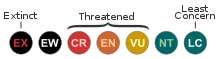
IUCN Red List
Growth: S = slow M = medium F = fast. Soil: L = light (sandy) M = medium H = heavy (clay). pH: A = acid N = neutral B = basic (alkaline). Shade: F = full shade S = semi-shade N = no shade. Moisture: D = dry M = Moist We = wet Wa = water.
Now available:
Food Forest Plants for Mediterranean Conditions
350+ Perennial Plants For Mediterranean and Drier Food Forests and Permaculture Gardens.
[Paperback and eBook]
This is the third in Plants For A Future's series of plant guides for food forests tailored to
specific climate zones. Following volumes on temperate and tropical ecosystems, this book focuses
on species suited to Mediterranean conditions—regions with hot, dry summers and cool, wet winters,
often facing the added challenge of climate change.
Read More
Expert comment
Author
L.
Botanical References
200204
Links / References
For a list of references used on this page please go here
Readers comment