 |
|
http://commons.wikimedia.org/wiki/User:Alvesgaspar |
 |
|
Translate this page:
Summary
Physical Characteristics

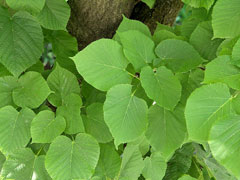
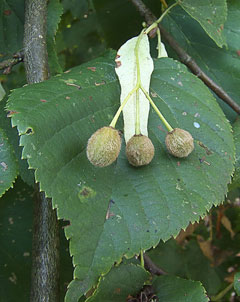
 Tilia x europaea is a deciduous Tree growing to 35 m (114ft) by 15 m (49ft) at a medium rate.
See above for USDA hardiness. It is hardy to UK zone 3 and is not frost tender. It is in flower in July. The species is hermaphrodite (has both male and female organs) and is pollinated by Insects.
It is noted for attracting wildlife.
Suitable for: light (sandy), medium (loamy) and heavy (clay) soils, prefers well-drained soil and can grow in nutritionally poor soil. Suitable pH: mildly acid, neutral and basic (mildly alkaline) soils. It can grow in semi-shade (light woodland) or no shade. It prefers moist soil. The plant can tolerates strong winds but not maritime exposure.
UK Hardiness Map
US Hardiness Map
Synonyms
T. x. europaea. L. T. intermedia. T. officinarum. T. × vulgaris
Plant Habitats
Woodland Garden Canopy;
Edible Uses
Edible Parts: Flowers Leaves Manna Sap
Edible Uses: Chocolate Sweetener Tea
Young leaves - raw[6, 177, 183]. Excellent in salads, they are mild and mucilaginous. A refreshing tea is made from the dried flowers[183]. A honey-like fragrance[183]. Some caution is advised, see notes above on toxicity. Flowers - used as a vegetable[183]. A very acceptable chocolate substitute can be made from a paste of the ground-up flowers and immature fruit. Trials on marketing the product failed because the paste is very apt to decompose[2, 115]. Sap - used as a drink or concentrated to make a syrup and used as a sweetener[4, 115, 183]. An edible manna is obtained from the tree[183]. No further details, does this report refer to the sap?
References More on Edible Uses
Medicinal Uses
Plants For A Future can not take any responsibility for any adverse effects from the use of plants. Always seek advice from a professional before using a plant medicinally.
Antispasmodic Cholagogue Diaphoretic Diuretic Emollient Expectorant Hypotensive Sedative
Skin Vasodilator
Lime flowers are a popular domestic remedy for a number of ailments, especially in the treatment of colds and other ailments where sweating is desirable[9]. A tea made from the fresh or dried flowers is antispasmodic, diaphoretic, expectorant, hypotensive, laxative and sedative[4, 9, 13, 226, 238]. Lime flower tea is also used internally in the treatment of indigestion, hypertension, hardening of the arteries, hysteria, nervous vomiting or palpitation[4, 238]. The flowers are harvested commercially and often sold in health shops etc[226]. Lime flowers are said to develop narcotic properties as they age and so they should only be harvested when freshly opened[238]. A charcoal made from the wood is used in the treatment of gastric or dyspeptic disturbances and is also made into a powder then applied to burns or sore places[4].
References More on Medicinal Uses
The Bookshop: Edible Plant Books
Our Latest books on Perennial Plants For Food Forests and Permaculture Gardens in paperback or digital formats.

Edible Tropical Plants
Food Forest Plants for Hotter Conditions: 250+ Plants For Tropical Food Forests & Permaculture Gardens.
More

Edible Temperate Plants
Plants for Your Food Forest: 500 Plants for Temperate Food Forests & Permaculture Gardens.
More

More Books
PFAF have eight books available in paperback and digital formats. Browse the shop for more information.
Shop Now
Other Uses
Charcoal Fibre Paper Wood
A fibre from the inner bark is used to make mats, shoes, baskets, ropes etc[1, 13, 14, 46, 61, 100]. It is also suitable for cloth[115]. It is harvested from trunks that are 15 - 30cm in diameter[115]. The fibre can also be used for making paper[189]. The stems are harvested in spring or summer, the leaves are removed and the stems steamed until the fibres can be stripped. The outer bark is removed from the inner bark by peeling or scraping. The fibres are cooked for 2 hours with lye and then beaten in a ball mill. The paper is beige in colour[189]. Wood - soft, white, easily carved. It is very suitable for carving domestic items and small non-durable items[4, 13, 46, 61, 115]. A charcoal made from the wood is used for drawing[46, 61, 115]. A dynamic accumulator gathering minerals or nutrients from the soil and storing them in a more bioavailable form - used as fertilizer or to improve mulch.
Special Uses
Attracts Wildlife Dynamic accumulator Food Forest
References More on Other Uses
Cultivation details
Prefers a good moist loamy alkaline to neutral soil but succeeds on slightly acid soils[11, 200]. Grows poorly on any very dry or very wet soil[200]. Succeeds on poorer soils than T. platyphyllos[11, 14]. Tolerates considerable exposure[125]. A very valuable bee plant[11]. The flowers are toxic to bees[188]. A food plant for the caterpillars of many butterfly and moth species[30]. This tree is frequently infested by aphis[17, 200], which cover the ground and the leaves with a sticky honeydew[188]. Although a hybrid species, it does produce fertile seed in Britain[17]. Lime trees tend to hybridise freely if other members of the genus are growing nearby[238]. If growing plants from seed it is important to ensure the seed came from a wild source or from an isolated clump of the single species[K]. Easily transplanted, even when quite large, trees up to 60 years old have been moved successfully[1, 74]. Can be coppiced, the tree produces suckers very freely[98, 200]. Grows best in a woodland situation, young plants tolerate a reasonable level of side shade[200]. Plants in this genus are notably resistant to honey fungus[200]. Note: Tilia × vulgaris B.Heyne is a synonym of Tilia × europaea L. The plant is heat tolerant in zones 7 through 1. (Plant Hardiness Zones show how well plants withstand cold winter temperatures.
Plant Heat Zones show when plants would start suffering from the heat.
The Plant Heat Zone map is based on the number of "heat days" experienced in a given area where the temperature climbs to over 86 degrees F (30°C).
At this temperature, many plants begin to suffer physiological damage. Heat Zones range from 1 (no heat days) to 12 (210 or more heat days).
For example Heat Zone. 11-1 indicates that the plant is heat tolerant in zones 11 through 1.) For polyculture design as well as the above-ground architecture (form - tree, shrub etc. and size shown above) information on the habit and root pattern is also useful and given here if available. A sprouting standard sending up shoots from the base [1-2]. The root pattern is suckering with new plants from underground runners away from the plant [1-2].
References Carbon Farming Information and Carbon Sequestration Information
Temperature Converter
Type a value in the Celsius field to convert the value to Fahrenheit:
Fahrenheit:
The PFAF Bookshop
Plants For A Future have a number of books available in paperback and digital form. Book titles include Edible Plants, Edible Perennials, Edible Trees,Edible Shrubs, Woodland Gardening, and Temperate Food Forest Plants. Our new book is Food Forest Plants For Hotter Conditions (Tropical and Sub-Tropical).
Shop Now
Plant Propagation
Seed - much of the seed produced in Britain is not viable, cut a few seedcases open to see if there is a seed inside[80]. If possible, obtain fresh seed that is ripe but has not as yet developed a hard seed coat and sow it immediately in a cold frame. It may germinate in the following spring though it could take 18 months[80]. Stored seed can be very slow to germinate. It has a hard seed coat, embryo dormancy and a hard coat on the pericarp. All these factors mean that the seed may take up to 8 years to germinate[80]. One way of shortening this time is to stratify the seed for 5 months at high temperatures (10°c at night, up to 30°c by day) and then 5 months cold stratification[80]. When they are large enough to handle, prick the seedlings out into individual pots and grow them on in the greenhouse for their first winter. Plant them out into their permanent positions in late spring or early summer, after the last expected frosts. Layering in spring just before the leaves unfurl. Takes 1 - 3 years[78]. Suckers, when formed, can be removed with as much root as possible during the dormant season and replanted immediately[200].
Other Names
If available other names are mentioned here
Native Plant Search
Search over 900 plants ideal for food forests and permaculture gardens. Filter to search native plants to your area. The plants selected are the plants in our book 'Plants For Your Food Forest: 500 Plants for Temperate Food Forests and Permaculture Gardens, as well as plants chosen for our forthcoming related books for Tropical/Hot Wet Climates and Mediterranean/Hot Dry Climates. Native Plant Search
Found In
Countries where the plant has been found are listed here if the information is available
Weed Potential
Right plant wrong place. We are currently updating this section.
Please note that a plant may be invasive in one area but may not in your area so it’s worth checking.
Conservation Status
IUCN Red List of Threatened Plants Status :

| Related Plants
|
| Latin Name | Common Name | Habit | Height | Hardiness | Growth | Soil | Shade | Moisture | Edible | Medicinal | Other |
| Corchorus capsularis | Jute | Annual/Perennial | 3.5 |
9-11
| F | LMH | N | M | 3 | 2 | 2 |
| Corchorus olitorius | Jew's Mallow, Nalta jute | Annual/Perennial | 3.5 |
9-11
| F | LMH | N | M | 4 | 2 | 4 |
| Entelea arborescens | Corkwood Tree | Shrub | 6.0 |
8-11
| | LMH | N | M | 0 | 0 | 2 |
| Grewia biloba parviflora | | Shrub | 3.0 |
5-9
| | LMH | SN | M | 1 | 0 | |
| Grewia oppositifolia | | Shrub | 0.0 |
8-11
| | LMH | SN | M | 2 | 0 | 2 |
| Talipariti tiliaceum | Beach Hibiscus, Sea Hibiscus, Cottontree, Mahoe | Tree | 10.0 |
10-12
| F | LMH | N | MWe | 3 | 2 | 4 |
| Tilia americana | American Basswood, Carolina basswood, Basswood, AmericanBasswood, American Linden | Tree | 25.0 |
3-9
| M | LMH | SN | M | 3 | 3 | 3 |
| Tilia amurensis | | Tree | 30.0 |
4-8
| M | LMH | SN | M | 3 | 1 | 1 |
| Tilia caroliniana | Carolina Basswood | Tree | 20.0 |
6-9
| M | LMH | SN | M | 3 | 1 | 2 |
| Tilia chinensis | | Tree | 25.0 |
4-8
| M | LMH | SN | M | 3 | 1 | 1 |
| Tilia cordata | Small Leaved Lime, Littleleaf linden | Tree | 30.0 |
3-7
| M | LMH | SN | M | 5 | 3 | 3 |
| Tilia heterophylla | White Basswood, American basswood | Tree | 30.0 |
4-8
| M | LMH | SN | M | 3 | 2 | 3 |
| Tilia japonica | Japanese Lime | Tree | 20.0 |
5-9
| M | LMH | SN | M | 3 | 1 | 2 |
| Tilia mongolica | Mongolian Lime | Tree | 15.0 |
3-6
| M | LMH | SN | M | 3 | 1 | 1 |
| Tilia oliveri | | Tree | 15.0 |
5-9
| M | LMH | SN | M | 3 | 1 | 1 |
| Tilia platyphyllos | Large Leaved Lime, Largeleaf linden, Bigleaf Linden | Tree | 30.0 |
4-6
| M | LMH | SN | M | 5 | 3 | 4 |
| Tilia tomentosa | Silver Lime | Tree | 25.0 |
4-7
| M | LMH | SN | DM | 3 | 1 | 2 |
| Tilia tuan | | Tree | 16.0 |
5-9
| M | LMH | SN | M | 3 | 1 | 2 |
|
Growth: S = slow M = medium F = fast. Soil: L = light (sandy) M = medium H = heavy (clay). pH: A = acid N = neutral B = basic (alkaline). Shade: F = full shade S = semi-shade N = no shade. Moisture: D = dry M = Moist We = wet Wa = water.

Expert comment
Author
L.
Botanical References
1117200
Links / References
For a list of references used on this page please go here
Readers comment