Translate this page:
Summary
Bloom Color: Yellow. Main Bloom Time: Early summer, Early fall, Late summer, Mid summer. Form: Rounded, Upright or erect.
Physical Characteristics

 Spartium junceum is a deciduous Shrub growing to 3.5 m (11ft) by 3 m (9ft) at a fast rate.
See above for USDA hardiness. It is hardy to UK zone 8. It is in flower from June to September, and the seeds ripen from August to October. The species is hermaphrodite (has both male and female organs) and is pollinated by Insects.
It can fix Nitrogen.
Suitable for: light (sandy), medium (loamy) and heavy (clay) soils, prefers well-drained soil and can grow in nutritionally poor soil. Suitable pH: mildly acid, neutral and basic (mildly alkaline) soils. It cannot grow in the shade. It prefers dry or moist soil and can tolerate drought. The plant can tolerate maritime exposure.
It can tolerate atmospheric pollution.
UK Hardiness Map
US Hardiness Map
Synonyms
Genista juncea. G. odorata.
Plant Habitats
Woodland Garden Sunny Edge;
Edible Uses
References More on Edible Uses
Medicinal Uses
Plants For A Future can not take any responsibility for any adverse effects from the use of plants. Always seek advice from a professional before using a plant medicinally.
Diuretic Emetic Purgative
The young herbaceous tips of flowering shoots are harvested in spring, generally in May[4]. They can be used fresh or dried and are cardiotonic, cathartic, diuretic, emetic and purgative[4, 7, 89]. The seeds can also be used[4]. The plant is an efficacious and potent diuretic[7]. This plant is 5 - 6 times more active than the medicinally similar Cytisus scoparius and should be used with caution since large doses are likely to upset the stomach and cause purging[4].
References More on Medicinal Uses
The Bookshop: Edible Plant Books
Our Latest books on Perennial Plants For Food Forests and Permaculture Gardens in paperback or digital formats.
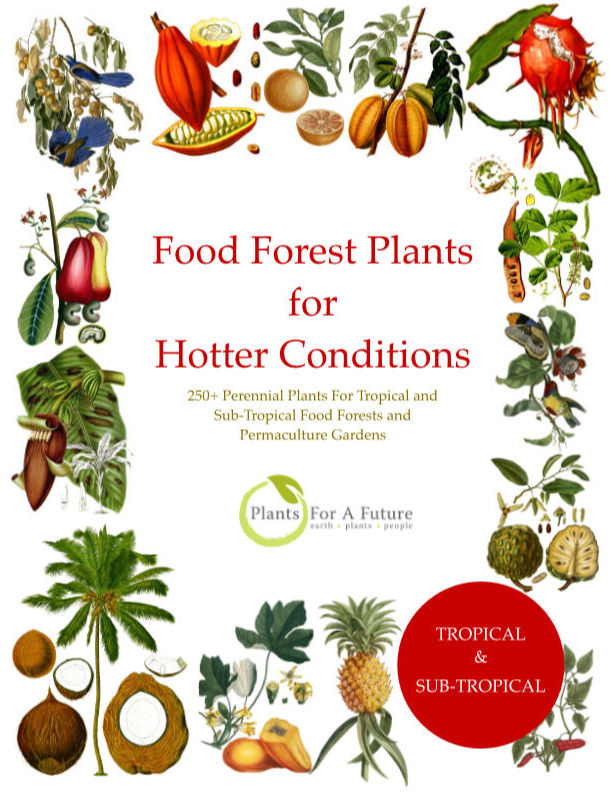
Edible Tropical Plants
Food Forest Plants for Hotter Conditions: 250+ Plants For Tropical Food Forests & Permaculture Gardens.
More
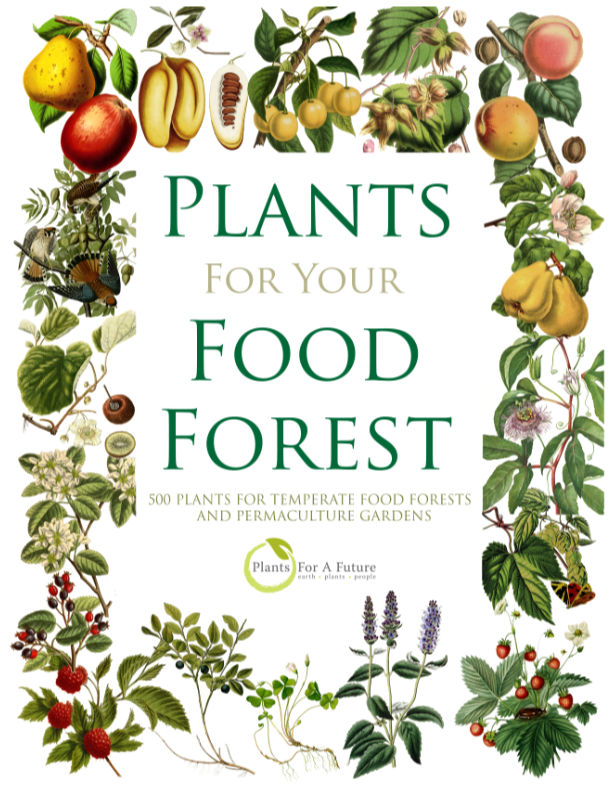
Edible Temperate Plants
Plants for Your Food Forest: 500 Plants for Temperate Food Forests & Permaculture Gardens.
More
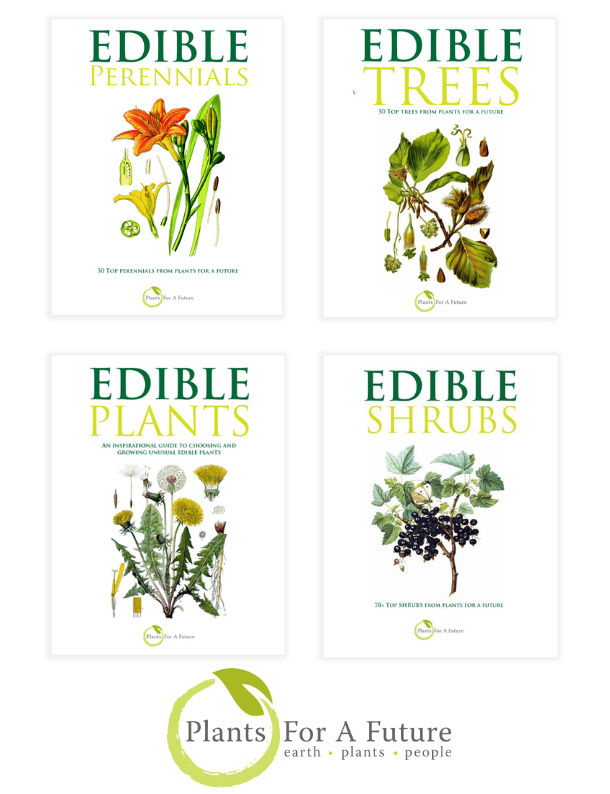
More Books
PFAF have eight books available in paperback and digital formats. Browse the shop for more information.
Shop Now
Other Uses
Basketry Besom Dye Essential Fibre
A fibre from the stems is a hemp substitute[148]. It is used to make thread, cordage and coarse fabrics[4, 7, 11, 61, 89, 160, 169]. It is also used for stuffing pillows etc and for making paper[46]. The smaller stems are used in basket making[7, 46, 61, 89, 160]. The branches are often made into brooms[7]. A yellow dye is obtained from the flowers[7, 89, 148, 169]. An essential oil is obtained from the flowers, it is used in perfumery[46, 61]. 1200kg of flowers yields 300 - 350gr absolute[46].
Special Uses
Carbon Farming Nitrogen Fixer Scented Plants
References More on Other Uses
Cultivation details
Agroforestry Services: Nitrogen Industrial Crop: Biomass Industrial Crop: Fiber Management: Coppice Regional Crop
Landscape Uses:Border, Massing, Specimen. Succeeds in any well-drained but not too fertile soil in a sunny position[200]. Prefers a lime free soil according to one report[1] whilst another says that it thrives on alkaline and poor sandy soils[200]. Very wind resistant, tolerating maritime exposure[166, 200]. Tolerates atmospheric pollution[200] and thrives on hot dry banks[11, 166]. A very ornamental plant, it is hardy to between -10 and -18°c when in a suitable position[200]. The flowers have a fragrance that has been likened to oranges[245]. Plants can become leggy if grown in a sheltered position or too rich a soil[200], but they can be pruned almost to the ground and will resprout from the base[K]. They can also be trimmed in early spring in order to keep them more compact[188]. Plants are intolerant of root disturbance, they are best grown in pots and planted out into their permanent positions whilst still small[11]. Plants often self-sow in Britain[1]. Rabbits love eating this plant when it is young[1, K]. This species has a symbiotic relationship with certain soil bacteria, these bacteria form nodules on the roots and fix atmospheric nitrogen. Some of this nitrogen is utilized by the growing plant but some can also be used by other plants growing nearby[200]. Special Features:
Not North American native, Naturalizing, Fragrant flowers, Attractive flowers or blooms.
Carbon Farming
-
Agroforestry Services: Nitrogen
Plants that contribute to nitrogen fixation include the legume family – Fabaceae.
-
Industrial Crop: Biomass
Three broad categories: bamboos, resprouting woody plants, and giant grasses. uses include: protein, materials (paper, building materials, fibers, biochar etc.), chemicals (biobased chemicals), energy - biofuels
-
Industrial Crop: Fiber
Clothing, rugs, sheets, blankets etc. Currently, almost none of our fiber are produced from perennial crops but could be!
-
Management: Coppice
Cut to the ground repeatedly - resprouting vigorously. Non-destructive management systems maintaining the soil organic carbon.
-
Regional Crop
These crops have been domesticated and cultivated regionally but have not been adopted elsewhere and are typically not traded globally, Examples in this broad category include perennial cottons and many nuts and staple fruits.
References Carbon Farming Information and Carbon Sequestration Information
Temperature Converter
Type a value in the Celsius field to convert the value to Fahrenheit:
Fahrenheit:
The PFAF Bookshop
Plants For A Future have a number of books available in paperback and digital form. Book titles include Edible Plants, Edible Perennials, Edible Trees,Edible Shrubs, Woodland Gardening, and Temperate Food Forest Plants. Our new book is Food Forest Plants For Hotter Conditions (Tropical and Sub-Tropical).
Shop Now
Plant Propagation
Seed - pre-soak 24 hours in hot water and sow February/March in a greenhouse. It usually germinates well and quickly[78, 200]. The seed can also be autumn sown as soon as it is ripe in a cold frame[200]. Prick out the seedlings into individual pots when they are large enough to handle. If sufficient growth is made, it is possible to plant out in the summer, otherwise overwinter them in a cold frame and plant out in late spring of the following year.
Other Names
If available other names are mentioned here
Native Plant Search
Search over 900 plants ideal for food forests and permaculture gardens. Filter to search native plants to your area. The plants selected are the plants in our book 'Plants For Your Food Forest: 500 Plants for Temperate Food Forests and Permaculture Gardens, as well as plants chosen for our forthcoming related books for Tropical/Hot Wet Climates and Mediterranean/Hot Dry Climates. Native Plant Search
Found In
Countries where the plant has been found are listed here if the information is available
Weed Potential
Right plant wrong place. We are currently updating this section.
Please note that a plant may be invasive in one area but may not in your area so it’s worth checking.
Conservation Status
IUCN Red List of Threatened Plants Status :

Growth: S = slow M = medium F = fast. Soil: L = light (sandy) M = medium H = heavy (clay). pH: A = acid N = neutral B = basic (alkaline). Shade: F = full shade S = semi-shade N = no shade. Moisture: D = dry M = Moist We = wet Wa = water.

Expert comment
Author
L.
Botanical References
1117200
Links / References
For a list of references used on this page please go here
Readers comment