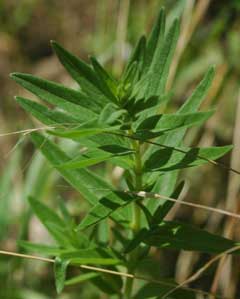
 |
|
http://commons.wikimedia.org/wiki/User:Doronenko |
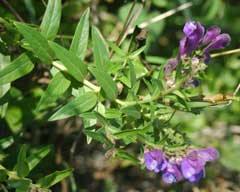 |
| http://commons.wikimedia.org/wiki/User:Doronenko |
Translate this page:
Summary
Physical Characteristics

 Scutellaria baicalensis is a PERENNIAL growing to 0.3 m (1ft) by 0.3 m (1ft in).
See above for USDA hardiness. It is hardy to UK zone 5. It is in flower in August, and the seeds ripen in September. The species is hermaphrodite (has both male and female organs) and is pollinated by Insects.
Suitable for: light (sandy) and medium (loamy) soils and prefers well-drained soil. Suitable pH: mildly acid, neutral and basic (mildly alkaline) soils. It can grow in semi-shade (light woodland) or no shade. It prefers dry or moist soil.
UK Hardiness Map
US Hardiness Map
Synonyms
Scutellaria macrantha. Fisch.
Plant Habitats
Cultivated Beds;
Edible Uses
Edible Parts: Leaves
Edible Uses: Tea
Young leaves - cooked as a vegetable[105, 177, 183]. The whole plant is dried and used as a tea substitute[105, 183].
References More on Edible Uses
Medicinal Uses
Plants For A Future can not take any responsibility for any adverse effects from the use of plants. Always seek advice from a professional before using a plant medicinally.
Anodyne Antibacterial Anticholesterolemic Antipyretic Antispasmodic Astringent Cancer Cholagogue
Diuretic Dysentery Expectorant Febrifuge Haemostatic Laxative Nervine
Sedative Stomachic TB Tonic Urinary
Baikal skullcap is commonly used in Chinese herbalism, where it is considered to be one of the 50 fundamental herbs and is used primarily in treating "hot and damp" conditions such as dysentery and diarrhoea[218, 254]. It has been used medicinally for over 2,000 years and recent research has found that the roots contain flavonoids that greatly enhance liver function and also have anti-inflammatory and antiallergenic effects[238]. The root is anodyne, antibacterial, anticholesterolemic, antipyretic, antispasmodic, astringent, cholagogue, diuretic, expectorant, febrifuge, haemostatic, laxative, nervine, mildly sedative, stomachic and tonic (for TB)[46, 61, 147, 174, 176, 218, 238]. It reputedly calms the foetus in pregnant women[238]. The root is used internally in the treatment of enteritis, dysentery, diarrhoea, jaundice, chronic hepatitis, urinary tract infections, hypertension, threatened miscarriage, nosebleed and haemorrhage from the lungs or bowel[238]. It is one of the ingredients of the Chinese drug 'injection of three yellow herbs'[238]. The root is harvested in the autumn or spring from plants 3 - 4 years old and is dried for later use[238]. The seed is used to cleanse the bowels of blood and pus[218]. For the treatment of prostate cancer [301].
References More on Medicinal Uses
The Bookshop: Edible Plant Books
Our Latest books on Perennial Plants For Food Forests and Permaculture Gardens in paperback or digital formats.
Edible Tropical Plants
Food Forest Plants for Hotter Conditions: 250+ Plants For Tropical Food Forests & Permaculture Gardens.
More
Edible Temperate Plants
Plants for Your Food Forest: 500 Plants for Temperate Food Forests & Permaculture Gardens.
More
More Books
PFAF have eight books available in paperback and digital formats. Browse the shop for more information.
Shop Now
Other Uses
References More on Other Uses
Cultivation details
Succeeds in a sunny position in any ordinary garden soil that does not dry out during the growing season[200]. Prefers a light well-drained soil in sun or partial shade[238]. This species requires sharp drainage and, once established, is drought tolerant[238]. Plants are hardy to at least -15°c[238]. A very ornamental plant[1].
References Carbon Farming Information and Carbon Sequestration Information
Temperature Converter
Type a value in the Celsius field to convert the value to Fahrenheit:
Fahrenheit:
The PFAF Bookshop
Plants For A Future have a number of books available in paperback and digital form. Book titles include Edible Plants, Edible Perennials, Edible Trees,Edible Shrubs, Woodland Gardening, and Temperate Food Forest Plants. Our new book is Food Forest Plants For Hotter Conditions (Tropical and Sub-Tropical).
Shop Now
Plant Propagation
Seed - sow outdoors in situ in late spring[200] If there is only a small quantity of seed it is better to sow it in a pot in a cold frame in early spring. When they are large enough to handle, prick the seedlings out into individual pots and plant them out in the summer. Division in spring just before new growth begins. Very easy, larger divisions can be planted out direct into their permanent positions. We have found it best to pot up the smaller divisions and grow them on in a lightly shaded position in a cold frame, planting them out once they are well established in the summer.
Other Names
If available other names are mentioned here
Native Plant Search
Search over 900 plants ideal for food forests and permaculture gardens. Filter to search native plants to your area. The plants selected are the plants in our book 'Plants For Your Food Forest: 500 Plants for Temperate Food Forests and Permaculture Gardens, as well as plants chosen for our forthcoming related books for Tropical/Hot Wet Climates and Mediterranean/Hot Dry Climates. Native Plant Search
Found In
Countries where the plant has been found are listed here if the information is available
Weed Potential
Right plant wrong place. We are currently updating this section.
Please note that a plant may be invasive in one area but may not in your area so it’s worth checking.
Conservation Status
IUCN Red List of Threatened Plants Status :

Growth: S = slow M = medium F = fast. Soil: L = light (sandy) M = medium H = heavy (clay). pH: A = acid N = neutral B = basic (alkaline). Shade: F = full shade S = semi-shade N = no shade. Moisture: D = dry M = Moist We = wet Wa = water.

Expert comment
Author
Georgi.
Botanical References
200266
Links / References
For a list of references used on this page please go here
Readers comment