Translate this page:
Summary
Bloom Color: Purple. Main Bloom Time: Early summer, Mid summer. Form: Upright or erect.
Physical Characteristics

 Salvia officinalis is an evergreen Shrub growing to 0.6 m (2ft) by 0.6 m (2ft in) at a medium rate.
See above for USDA hardiness. It is hardy to UK zone 5 and is not frost tender. It is in leaf all year, in flower from June to August, and the seeds ripen from August to September. The species is hermaphrodite (has both male and female organs) and is pollinated by Bees.
Suitable for: light (sandy) and medium (loamy) soils and prefers well-drained soil. Suitable pH: neutral and basic (mildly alkaline) soils and can grow in very alkaline soils.
It cannot grow in the shade. It prefers dry or moist soil and can tolerate drought.
UK Hardiness Map
US Hardiness Map
Synonyms
Plant Habitats
Woodland Garden Sunny Edge; Dappled Shade; Ground Cover; Cultivated Beds;
Edible Uses
Edible Parts: Flowers Leaves
Edible Uses: Condiment Tea
Leaves and flowers - raw or cooked[2, 14, 27, 46, 52]. A very common herb, the strongly aromatic leaves are used as a flavouring in cooked foods[183]. They are an aid to digestion and so are often used with heavy, oily foods[244]. They impart a sausage-like flavour to savoury dishes. The young leaves and flowers can be eaten raw, boiled, pickled or used in sandwiches[183]. The flowers can also be sprinkled on salads to add colour and fragrance[183]. A herb tea is made from the fresh or dried leaves[183], it is said to improve the digestion[13, 21]. An essential oil obtained from the plant is used commercially to flavour ice cream, sweets, baked goods etc[61, 183].
References More on Edible Uses
Medicinal Uses
Plants For A Future can not take any responsibility for any adverse effects from the use of plants. Always seek advice from a professional before using a plant medicinally.
Antidiarrhoeal Antihydrotic Antiseptic Antispasmodic Appetizer Aromatherapy Astringent Carminative
Cholagogue Galactofuge Stimulant Tonic Vasodilator
Sage has a very long history of effective medicinal use and is an important domestic herbal remedy for disorders of the digestive system. Its antiseptic qualities make it an effective gargle for the mouth where it can heal sore throats, ulcers etc[K]. The leaves applied to an aching tooth will often relieve the pain[4, K]. The whole herb is antihydrotic, antiseptic, antispasmodic, astringent, carminative, cholagogue, galactofuge, stimulant, tonic and vasodilator[4, 9, 13, 21, 165, 238]. Sage is also used internally in the treatment of excessive lactation, night sweats, excessive salivation (as in Parkinson's disease), profuse perspiration (as in TB), anxiety, depression, female sterility and menopausal problems[238]. Many herbalists believe that the purple-leafed forms of this species are more potent medicinally[238]. This remedy should not be prescribed to pregnant women or to people who have epileptic fits[238]. The plant is toxic in excess or when taken for extended periods[238] - though the toxic dose is very large. Externally, it is used to treat insect bites, skin, throat, mouth and gum infections and vaginal discharge[238]. The leaves are best harvested before the plant comes into flower and are dried for later use[4]. The essential oil from the plant is used in small doses to remove heavy collections of mucous from the respiratory organs and mixed in embrocations for treating rheumatism[4]. In larger doses, however, it can cause epileptic fits, giddiness etc[4]. The essential oil is used in aromatherapy. Its keyword is 'Tonic'[210]. The German Commission E Monographs, a therapeutic guide to herbal medicine, approve Salvia officinalis Sage for loss of appetite, inflammation of the mouth, excessive perspiration (see [302] for critics of commission E).
References More on Medicinal Uses
The Bookshop: Edible Plant Books
Our Latest books on Perennial Plants For Food Forests and Permaculture Gardens in paperback or digital formats.
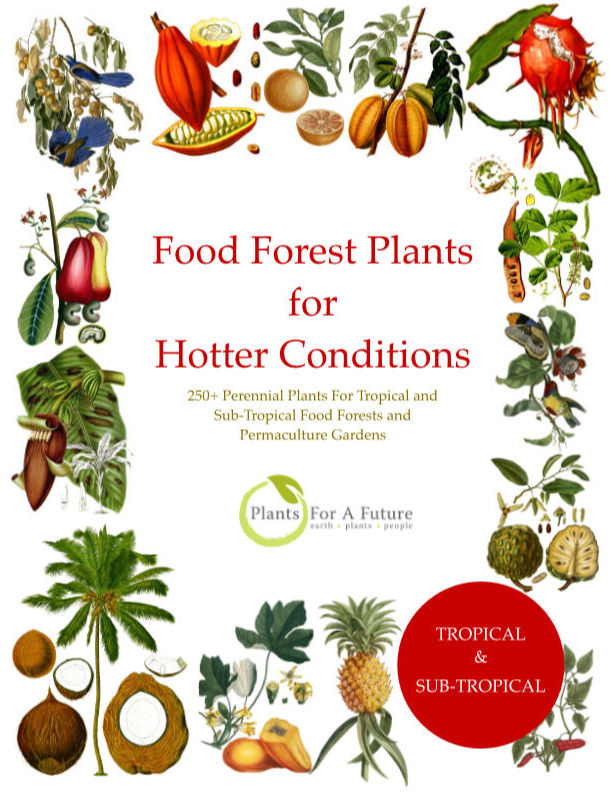
Edible Tropical Plants
Food Forest Plants for Hotter Conditions: 250+ Plants For Tropical Food Forests & Permaculture Gardens.
More
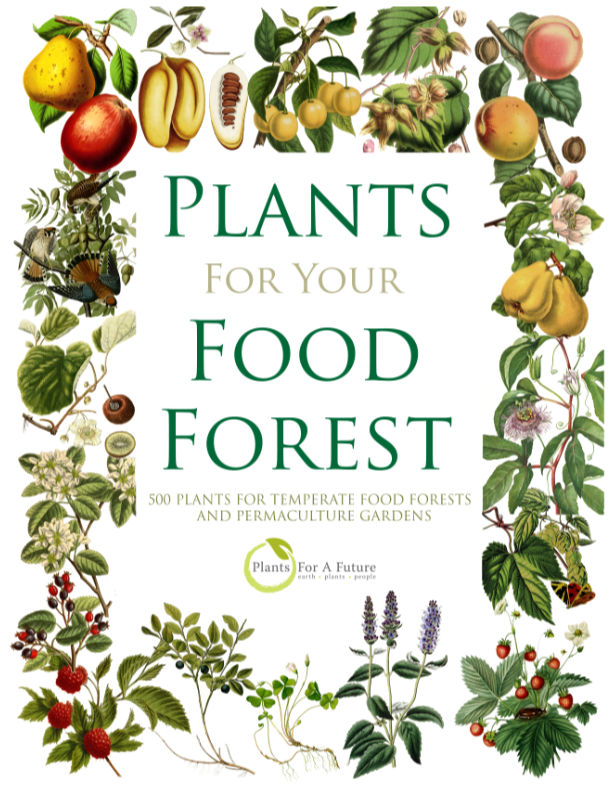
Edible Temperate Plants
Plants for Your Food Forest: 500 Plants for Temperate Food Forests & Permaculture Gardens.
More
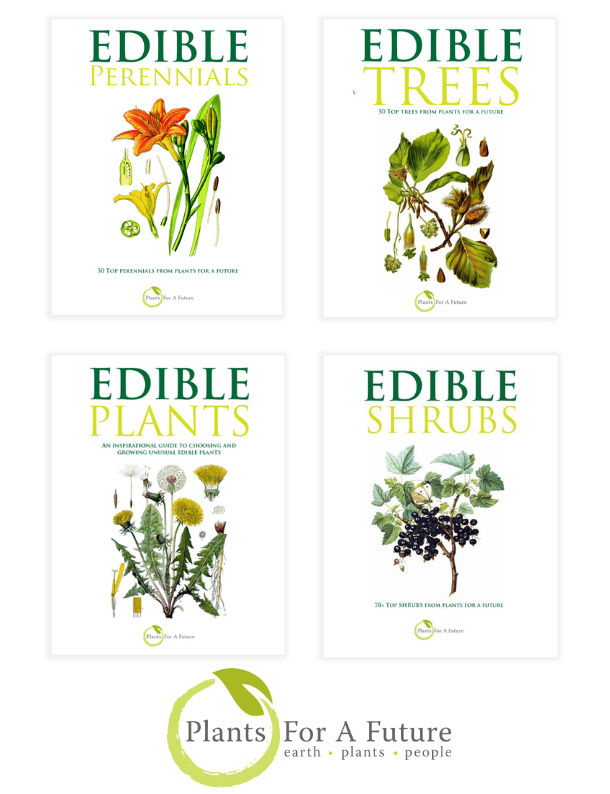
More Books
PFAF have eight books available in paperback and digital formats. Browse the shop for more information.
Shop Now
Other Uses
Compost Essential Repellent Strewing Teeth
The leaves make excellent tooth cleaners[14, 21], simply rub the top side of the leaf over the teeth and gums[K]. The purple-leafed form of sage has tougher leaves and is better for cleaning the teeth[K]. The leaves have antiseptic properties and can heal diseased gums[201]. An essential oil from the leaves is used in perfumery, hair shampoos (it is good for dark hair) and as a food flavouring[14, 57, 61]. It is a very effective 'fixer' in perfumes[7], and is also used to flavour toothpastes and is added to bio-activating cosmetics[238]. The plant (the flowers?) is an alternative ingredient of 'QR' herbal compost activator[32]. This is a dried and powdered mixture of several herbs that can be added to a compost heap in order to speed up bacterial activity and thus shorten the time needed to make the compost[K]. The growing or dried plant is said to repel insects, it is especially useful when grown amongst cabbages and carrots[14, 18, 20, 201]. It was formerly used as a strewing herb[201] and has been burnt in rooms to fumigate them[244]. A good dense ground cover plant for sunny positions, though it needs weeding for the first year or two[197]. They are best spaced about 60cm apart each way[208].
Special Uses
Dynamic accumulator Food Forest Ground cover Scented Plants
References More on Other Uses
Cultivation details
Landscape Uses:Border, Container, Massing, Rock garden, Seashore, Specimen. Requires a very well-drained light sandy soil in a sunny position[200]. Prefers a calcareous soil[4, 14]. Dislikes heavy or acid soils[1, 16]. Succeeds in dry soils, tolerating drought once it is established[190]. Sage can be killed by excessive winter wet[200] and winter-planted bushes often die[208]. A very ornamental plant[1], sage is commonly grown in the herb garden for culinary and medicinal purposes. There are some named varieties[182, 183]. 'Albiflora' is said to be the best culinary sage[11]. 'Purpurea' has tougher leaves than the type and makes a better tooth cleaner[K]. Plants need to be trimmed in late spring in order to keep them compact[200]. They tend to degenerate after a few years and are best replaced after about 4 years[4]. The leaves emit a unique pungent aroma when pressed[245]. A good companion for many plants, including rosemary, cabbages and carrots[14, 18, 20, 54], the growing plant is said to repel insects. It is inhibited by wormwood growing nearby and dislikes growing with basil, rue or the cucumber and squash family[14, 18, 20, 54]. Special Features:Attractive foliage, Edible, Fragrant foliage, Not North American native, Suitable for cut flowers. The plant is heat tolerant in zones 8 through 5. (Plant Hardiness Zones show how well plants withstand cold winter temperatures.
Plant Heat Zones show when plants would start suffering from the heat.
The Plant Heat Zone map is based on the number of "heat days" experienced in a given area where the temperature climbs to over 86 degrees F (30°C).
At this temperature, many plants begin to suffer physiological damage. Heat Zones range from 1 (no heat days) to 12 (210 or more heat days).
For example Heat Zone. 11-1 indicates that the plant is heat tolerant in zones 11 through 1.) For polyculture design as well as the above-ground architecture (form - tree, shrub etc. and size shown above) information on the habit and root pattern is also useful and given here if available. The plant growth habit is multistemmed with multiple stems from the crown [1-2]. An evergreen. The root pattern is a heart root, dividing from the crown into several primary roots going down and out [1-2].
References Carbon Farming Information and Carbon Sequestration Information
Temperature Converter
Type a value in the Celsius field to convert the value to Fahrenheit:
Fahrenheit:
The PFAF Bookshop
Plants For A Future have a number of books available in paperback and digital form. Book titles include Edible Plants, Edible Perennials, Edible Trees,Edible Shrubs, Woodland Gardening, and Temperate Food Forest Plants. Our new book is Food Forest Plants For Hotter Conditions (Tropical and Sub-Tropical).
Shop Now
Plant Propagation
Seed - sow March/April in a greenhouse[1]. Germination usually takes place within 2 weeks. Prick out the seedlings into individual pots when they are large enough to handle and plant them out in early summer. In areas where the plant is towards the limits of its hardiness, it is best to grow the plants on in a greenhouse for their first winter and plant them out in late spring of the following year. Cuttings of heeled shoots, taken off the stem in May and planted out directly into the garden grow away well[182]. Cuttings of half-ripe wood, 5 - 10cm with a heel, June to August in a frame[78]. Easy. Cuttings of mature wood, 7 - 10cm with a heel, November/December in a cold frame[78]. Layering in spring or autumn. Mound soil up into the plants, the branches will root into this soil and they can be removed and planted out 6 - 12 months later.
Other Names
If available other names are mentioned here
Adacayi,Broadleaf sage, Ching-chieh, Common sage, Echter salbei, Mariyamiya, Sa er wei ya, Salbei, Salie, Salva, Salvia, Sauge commune, Sauge officinale, Sauge, Shalfey, True sage,
Native Plant Search
Search over 900 plants ideal for food forests and permaculture gardens. Filter to search native plants to your area. The plants selected are the plants in our book 'Plants For Your Food Forest: 500 Plants for Temperate Food Forests and Permaculture Gardens, as well as plants chosen for our forthcoming related books for Tropical/Hot Wet Climates and Mediterranean/Hot Dry Climates. Native Plant Search
Found In
Countries where the plant has been found are listed here if the information is available
Africa, Argentina, Asia, Australia, Austria, Balkans, Bosnia, Brazil, Canada, Central America, Central Asia, China, Cook Islands, East Africa, Europe, France, Greece, Hawaii, India, Italy, Lebanon, Macedonia, Malta, Mediterranean, Myanmar, Nepal, Netherlands, North Africa, North America, Pacific, Papua New Guinea, PNG, Romania, Slovenia, South Africa, Southern Africa, South America, Spain, Tasmania, Turkey, USA, West Indies, Worldwide, Yugoslavia, Zimbabwe,
Weed Potential
Right plant wrong place. We are currently updating this section.
Please note that a plant may be invasive in one area but may not in your area so it’s worth checking.
Conservation Status
IUCN Red List of Threatened Plants Status :

| Related Plants
|
| Latin Name | Common Name | Habit | Height | Hardiness | Growth | Soil | Shade | Moisture | Edible | Medicinal | Other |
| Cistus salviifolius | Rock Rose, Salvia cistus, Sage Leaf Rock Rose | Shrub | 0.6 |
8-11
| F | LM | N | DM | 1 | 0 | 3 |
| Salvia apiana | White Sage, Compact white sage | Perennial | 3.0 |
7-10
| | LM | N | DM | 3 | 1 | 2 |
| Salvia ballotaeflora | | Annual | 0.0 |
-
| | LM | N | DM | 1 | 0 | |
| Salvia carduacea | Thistle Sage | Annual/Perennial | 0.7 |
7-10
| | LM | N | DM | 2 | 0 | |
| Salvia carnosa | Purple Sage | Shrub | 0.8 |
6-9
| | LM | N | DM | 1 | 2 | |
| Salvia clevelandii | Blue Sage, Fragrant sage, Chaparral Sage | Shrub | 0.6 |
8-11
| M | LM | N | DM | 1 | 0 | |
| Salvia columbariae | Chia, Ziegler's sage | Annual/Perennial | 0.7 |
6-9
| | LM | N | DM | 3 | 2 | |
| Salvia dorisiana | Sage Fruity Pineapple | Perennial | 1.3 |
9-12
| F | LMH | SN | M | 3 | 0 | 3 |
| Salvia elegans | Pineapple Sage, Pineapple-scented Sage, | Perennial | 1.0 |
8-11
| M | LM | N | DM | 3 | 1 | 2 |
| Salvia fruticosa | Greek Sage, Greek oregano | Shrub | 1.0 |
8-11
| | LM | N | DM | 2 | 3 | 2 |
| Salvia glabrescens | | Perennial | 0.3 |
-
| | LM | SN | DM | 1 | 0 | |
| Salvia glutinosa | Jupiter's Distaff, Sticky Sage | Perennial | 1.2 |
4-8
| | LM | SN | DM | 1 | 0 | 3 |
| Salvia hispanica | Mexican Chia, Chia | Annual | 1.0 |
8-11
| | LM | N | DM | 3 | 0 | |
| Salvia japonica | | Perennial | 0.8 |
7-10
| | LM | SN | DM | 1 | 0 | 2 |
| Salvia lanata | | Perennial | 0.3 |
6-9
| | LM | N | DM | 1 | 1 | |
| Salvia lanigera | Wrinkle-Leaved Sage | Shrub | 0.0 |
-
| | LM | N | DM | 1 | 0 | |
| Salvia lavandulifolia | Spanish Sage | Shrub | 0.3 |
4-8
| | LM | N | DM | 2 | 3 | 2 |
| Salvia leucantha | Mexican Bush Sage | Shrub | 1.2 |
8-10
| F | LMH | N | M | 0 | 1 | 3 |
| Salvia lyrata | Cancer Weed, Lyreleaf Sage | Perennial | 0.6 |
4-9
| M | LM | N | DM | 0 | 2 | 0 |
| Salvia mellifera | Californian Black Sage | Shrub | 2.0 |
7-10
| | LM | N | DM | 1 | 2 | |
| Salvia microphylla | Blackcurrant Sage | Perennial | 1.2 |
7-10
| | LM | N | DM | 2 | 2 | |
| Salvia moorcroftiana | | Perennial | 0.9 |
6-9
| | LM | N | DM | 1 | 1 | |
| Salvia multicaulis | | Shrub | 0.3 |
7-10
| | LM | N | DM | 1 | 0 | |
| Salvia multiorrhiza | Dan Shen | Perennial | 0.6 |
5-9
| | LM | N | DM | 0 | 3 | |
| Salvia plebeia | | Biennial | 0.5 |
-
| | LM | N | MWe | 1 | 1 | |
| Salvia pomifera | Apple Sage | Shrub | 1.0 |
7-10
| | LM | N | DM | 2 | 2 | |
| Salvia pratensis | Meadow Clary, Introduced sage | Perennial | 1.0 |
3-7
| | LM | N | DM | 1 | 0 | 0 |
| Salvia reflexa | Mintweed, Lanceleaf sage | Annual | 0.8 |
0-0
| | LM | N | DM | 1 | 0 | 0 |
| Salvia sclarea | Clary, Europe sage, Clary Sage | Biennial/Perennial | 1.0 |
5-9
| M | LMH | N | DM | 2 | 2 | 3 |
|
|
Growth: S = slow M = medium F = fast. Soil: L = light (sandy) M = medium H = heavy (clay). pH: A = acid N = neutral B = basic (alkaline). Shade: F = full shade S = semi-shade N = no shade. Moisture: D = dry M = Moist We = wet Wa = water.

Expert comment
Author
L.
Botanical References
11200
Links / References
For a list of references used on this page please go here
Readers comment