Translate this page:
Summary
UPDATE: 22/08/11. This plant was originally in the database as Rhus verniciflua. It has now been changed to Toxicodendron vernicifluum (Stokes) F.A. Barkley as it's accepted name with Rhus verniciflua as a synonym
Physical Characteristics

 Rhus verniciflua is a deciduous Tree growing to 15 m (49ft) by 10 m (32ft).
See above for USDA hardiness. It is hardy to UK zone 9 and is frost tender. It is in flower in July, and the seeds ripen from September to November. The species is dioecious (individual flowers are either male or female, but only one sex is to be found on any one plant so both male and female plants must be grown if seed is required). and is pollinated by Bees. The plant is not self-fertile.
Suitable for: light (sandy), medium (loamy) and heavy (clay) soils and prefers well-drained soil. Suitable pH: mildly acid, neutral and basic (mildly alkaline) soils. It cannot grow in the shade. It prefers moist soil.
UK Hardiness Map
US Hardiness Map
Synonyms
Rhus verniciflua. R. kaempferi. R. vernicifera. R. vernix. non L.
Plant Habitats
Woodland Garden Canopy;
Edible Uses
Edible Parts: Oil
Edible Uses: Oil
None known
References More on Edible Uses
Medicinal Uses
Plants For A Future can not take any responsibility for any adverse effects from the use of plants. Always seek advice from a professional before using a plant medicinally.
Emmenagogue Stimulant Tonic Vermifuge
Stimulant, tonic[178]. The leaves are used in the treatment of wasting diseases and internal parasites[218]. The seed is haemostatic and is used in the treatment of dysentery[218]. A resin from the plant is emmenagogue, haemolytic, stimulant, tonic and vermifuge[218]. Some caution is advised in the use of the leaves and stems of this plant, see the notes above on toxicity.
References More on Medicinal Uses
The Bookshop: Edible Plant Books
Our Latest books on Perennial Plants For Food Forests and Permaculture Gardens in paperback or digital formats.
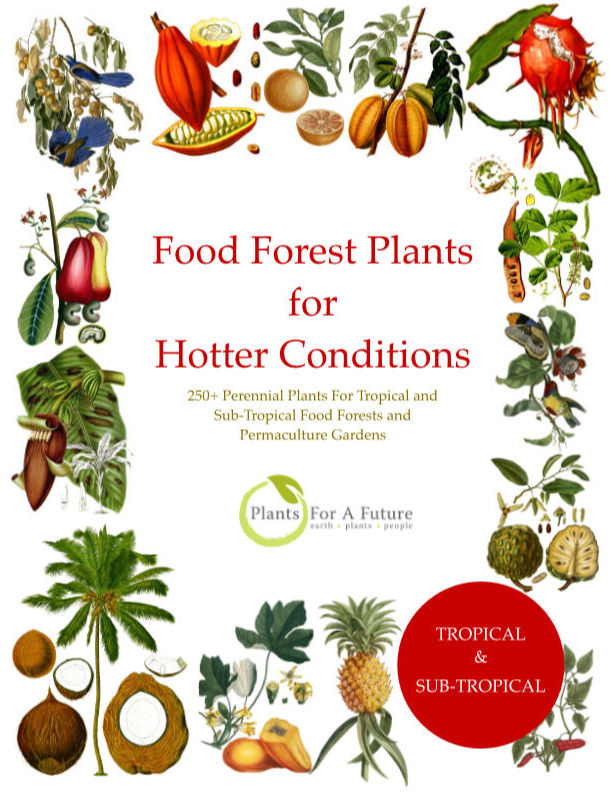
Edible Tropical Plants
Food Forest Plants for Hotter Conditions: 250+ Plants For Tropical Food Forests & Permaculture Gardens.
More
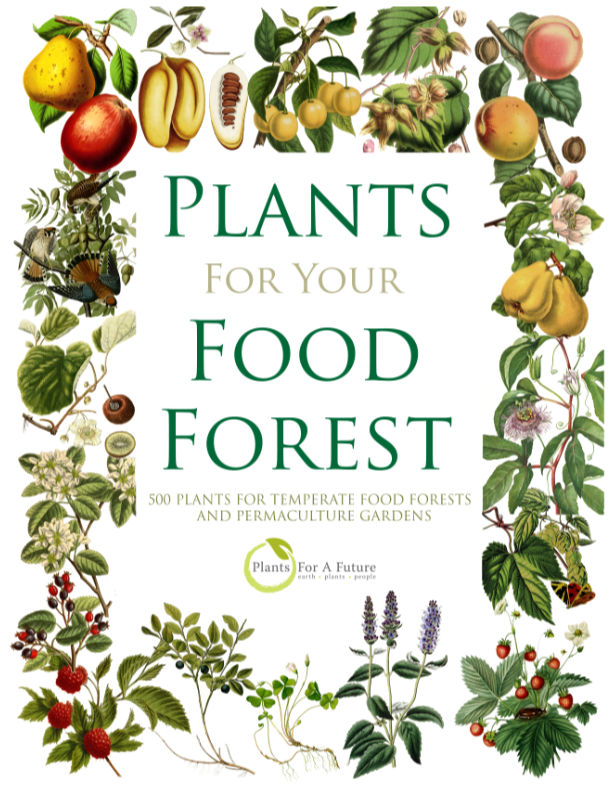
Edible Temperate Plants
Plants for Your Food Forest: 500 Plants for Temperate Food Forests & Permaculture Gardens.
More
More Books
PFAF have eight books available in paperback and digital formats. Browse the shop for more information.
Shop Now
Other Uses
Dye Lacquer Mordant Oil Wax
A non-drying oil is obtained from the fruit and is used in making candles[1, 11, 46, 57, 74, 109]. The fruit contains about 25% fat[218]. The fruit is crushed, heated and then crushed to extract the oil[K]. The oil attains a tallow-like consistency on standing and is used to make candles. These burn brilliantly, though they emit a pungent smoke[4]. The sap can be used as a varnish or a lacquer. It is obtained by incision of the stem[1, 4, 11, 19, 57, 74], which is best done in mid-summer[64]. The lacquer is frequently used in Japanese art, it requires a damp atmosphere in which to dry and harden, a moist cave being ideal[64]. It is resistant to acids, alkalis, alcohol and temperatures up to 70°c[171]. The leaves and galls formed as a result of insect damage are rich in tannin[4]. The leaves can be collected as they fall in the autumn and used as a brown dye or as a mordant[169].
Special Uses
References More on Other Uses
Cultivation details
Succeeds in a well-drained fertile soil in full sun[11, 200]. One report says that this species is only hardy into zone 9 (tolerating only occasional light frosts)[200] but there are large healthy trees at Cambridge and Edinburgh Botanical gardens, and both sites had fruiting trees in September 1989[K]. Plants have brittle branches and these can be broken off in strong winds[200]. Plants are also susceptible to coral spot fungus[11]. Plants in this genus are notably resistant to honey fungus[200]. Cultivated for its lacquer in the warmer areas of Japan[58, 109]. Many of the species in this genus, including this one, are highly toxic and can also cause severe irritation to the skin of some people, whilst other species are not poisonous. It is relatively simple to distinguish which is which, the poisonous species have axillary panicles and smooth fruits whilst non-poisonous species have compound terminal panicles and fruits covered with acid crimson hairs[1, 4]. The toxic species are sometimes separated into their own genus, Toxicodendron, by some botanists[200]. Partly dioecious. Male and female plants must be grown if seed is required.
References Carbon Farming Information and Carbon Sequestration Information
Temperature Converter
Type a value in the Celsius field to convert the value to Fahrenheit:
Fahrenheit:
The PFAF Bookshop
Plants For A Future have a number of books available in paperback and digital form. Book titles include Edible Plants, Edible Perennials, Edible Trees,Edible Shrubs, Woodland Gardening, and Temperate Food Forest Plants. Our new book is Food Forest Plants For Hotter Conditions (Tropical and Sub-Tropical).
Shop Now
Plant Propagation
Seed - best sown in a cold frame as soon as it is ripe. Pre-soak the seed for 24 hours in hot water (starting at a temperature of 80 - 90c and allowing it to cool) prior to sowing in order to leach out any germination inhibitors[200]. The stored seed also needs hot water treatment and can be sown in early spring in a cold frame[200]. When they are large enough to handle, prick the seedlings out into individual pots and grow them on in the greenhouse for their first winter. Plant them out into their permanent positions in late spring or early summer, after the last expected frosts. Cuttings of half-ripe wood, 10cm with a heel, July/August in a frame[200]. Root cuttings 4cm long taken in December and potted up vertically in a greenhouse. Good percentage[78, 200]. Suckers in late autumn to winter[200].
Other Names
If available other names are mentioned here
Native Plant Search
Search over 900 plants ideal for food forests and permaculture gardens. Filter to search native plants to your area. The plants selected are the plants in our book 'Plants For Your Food Forest: 500 Plants for Temperate Food Forests and Permaculture Gardens, as well as plants chosen for our forthcoming related books for Tropical/Hot Wet Climates and Mediterranean/Hot Dry Climates. Native Plant Search
Found In
Countries where the plant has been found are listed here if the information is available
Weed Potential
Right plant wrong place. We are currently updating this section.
Please note that a plant may be invasive in one area but may not in your area so it’s worth checking.
Conservation Status
IUCN Red List of Threatened Plants Status :

| Related Plants
|
| Latin Name | Common Name | Habit | Height | Hardiness | Growth | Soil | Shade | Moisture | Edible | Medicinal | Other |
| Rhus ambigua | | Climber | 0.0 |
6-9
| | LMH | SN | M | 0 | 0 | 2 |
| Rhus aromatica | Lemon Sumach, Fragrant sumac | Shrub | 1.2 |
3-9
| S | LMH | N | DM | 4 | 2 | 2 |
| Rhus chinensis | Chinese Gall, Chinese sumac | Tree | 6.0 |
7-10
| | LMH | N | M | 2 | 3 | 2 |
| Rhus copallina | Dwarf Sumach, Winged sumac, Flameleaf Sumac, Winged Sumac, Shining Sumac | Shrub | 2.0 |
4-10
| F | LMH | N | DM | 4 | 2 | 3 |
| Rhus coriaria | Elm-Leaved Sumach, Sicilian sumac | Shrub | 3.0 |
8-11
| | LMH | N | DM | 2 | 1 | 2 |
| Rhus diversiloba | Western Poison Oak, Pacific poison oak | Shrub | 2.5 |
4-8
| | LMH | N | M | 0 | 2 | 2 |
| Rhus glabra | Smooth Sumach | Shrub | 3.0 |
3-9
| M | LMH | N | DM | 4 | 3 | 3 |
| Rhus integrifolia | Lemonade Berry, Lemonade sumac | Shrub | 2.0 |
8-10
| M | LMH | N | DM | 2 | 0 | 2 |
| Rhus microphylla | Desert Sumach, Littleleaf sumac | Shrub | 2.0 |
8-11
| | LMH | N | D | 2 | 0 | 2 |
| Rhus ovata | Sugar Bush, Sugar sumac | Shrub | 2.0 |
8-11
| | LM | N | DM | 2 | 1 | 2 |
| Rhus potaninii | | Tree | 12.0 |
4-8
| | LMH | N | M | 0 | 2 | 2 |
| Rhus punjabensis | | Tree | 12.0 |
5-9
| | LMH | N | M | 3 | 2 | 2 |
| Rhus punjabensis sinica | | Tree | 12.0 |
5-9
| | LMH | N | M | 3 | 2 | 2 |
| Rhus radicans | Poison Ivy | Climber | 2.5 |
4-8
| F | LMH | N | M | 0 | 1 | 2 |
| Rhus sempervirens | | Shrub | 3.5 |
-
| | LMH | N | DM | 2 | 1 | 2 |
| Rhus succedanea | Wax Tree | Tree | 9.0 |
4-9
| | LMH | N | M | 1 | 2 | 4 |
| Rhus sylvestris | | Tree | 10.0 |
-
| | LMH | N | M | 0 | 0 | 2 |
| Rhus toxicodendron | Eastern Poison Oak | Shrub | 0.6 |
6-9
| | LMH | N | DM | 0 | 2 | 2 |
| Rhus trichocarpa | | Tree | 6.0 |
-
| | LMH | N | M | 0 | 0 | 2 |
| Rhus trilobata | Skunk Bush, Basketbush, Squawbush, Three Leaf Sumac | Shrub | 1.8 |
4-6
| M | LMH | N | DM | 4 | 2 | 3 |
| Rhus typhina | Stag's Horn Sumach, Velvet Sumac, Staghorn Sumac | Shrub | 6.0 |
4-8
| F | LMH | N | DM | 4 | 2 | 3 |
| Rhus vernix | Poison Sumach | Shrub | 3.0 |
3-7
| | LMH | N | MWe | 0 | 1 | 2 |
| Rhus wallichii | | Tree | 8.0 |
-
| | LMH | N | M | 0 | 1 | 2 |
| Rhus x pulvinata | | Shrub | 3.0 |
0-0
| | LMH | N | DM | 4 | 2 | 2 |
|
Growth: S = slow M = medium F = fast. Soil: L = light (sandy) M = medium H = heavy (clay). pH: A = acid N = neutral B = basic (alkaline). Shade: F = full shade S = semi-shade N = no shade. Moisture: D = dry M = Moist We = wet Wa = water.

Expert comment
Author
(Stokes) F.A. Barkley.
Botanical References
11109200
Links / References
For a list of references used on this page please go here
Readers comment