Translate this page:
Summary
Siberian apricot is a deciduous shrub, native to eastern China, Japan, Korea, Mongolia and eastern Siberia, growing to 3m (10ft). An edible oil resembling olive oil is obtained from the seed, and used as a substitute for almond flavouring. The fruit is eaten raw or cooked, and is a good size: about 25mm x 25mm (1in), and contains one large seed. The fruit is occasionally eaten but is sour and scarcely edible. The fruit seed is eaten raw or cooked and has a bitter taste. If the seed is too bitter do not eat it. Siberian apricot can grow in semi-shade (light woodland) or full sun. The fruit is harvested in early to mid-summer.
As a Carbon Farming Solution plant, Siberian apricot is a staple oil crop and an industrial oil crop. Sometimes misspelt as Prunus siberica.
Physical Characteristics

 Prunus sibirica is a deciduous Shrub growing to 3 m (9ft 10in).
See above for USDA hardiness. It is hardy to UK zone 5. It is in flower in March, and the seeds ripen from July to August. The species is hermaphrodite (has both male and female organs) and is pollinated by Insects.
Suitable for: light (sandy), medium (loamy) and heavy (clay) soils and prefers well-drained soil. Suitable pH: mildly acid, neutral and basic (mildly alkaline) soils. It can grow in semi-shade (light woodland) or no shade. It prefers moist soil.
UK Hardiness Map
US Hardiness Map
Synonyms
Armeniaca sibirica. Sometimes misspelt as Prunus siberica.
Plant Habitats
Woodland Garden Sunny Edge;
Edible Uses
Edible Parts: Fruit Oil Seed
Edible Uses: Condiment Oil
Fruit - raw or cooked[2, 105]. A good size, it is about 25mm x 25mm and contains one large seed[200]. Sour and scarcely edible[11, 266]. The fruit is occasionally eaten. Seed - raw or cooked. A bitter taste[11], they are normally used as an almond flavouring[74, 105]. Do not eat the seed if it is too bitter - see the notes above on toxicity. An edible oil is obtained from the seed[183] - it is used as an almond flavouring[74]. The oil resembles olive oil[183].
References More on Edible Uses
Medicinal Uses
Plants For A Future can not take any responsibility for any adverse effects from the use of plants. Always seek advice from a professional before using a plant medicinally.
Analgesic Antiasthmatic Antiseptic Antitussive Digestive Emollient Laxative Tonic
The seed is analgesic, antiasthmatic, antiseptic, antitussive and emollient[176]. It is used in the treatment of coughs, asthma, acute or chronic bronchitis and constipation[176]. The seed contains amygdalin and prunasin, substances which break down in water to form hydrocyanic acid (cyanide or prussic acid). In small amounts this exceedingly poisonous compound stimulates respiration, improves digestion and gives a sense of well-being[238].
References More on Medicinal Uses
The Bookshop: Edible Plant Books
Our Latest books on Perennial Plants For Food Forests and Permaculture Gardens in paperback or digital formats.
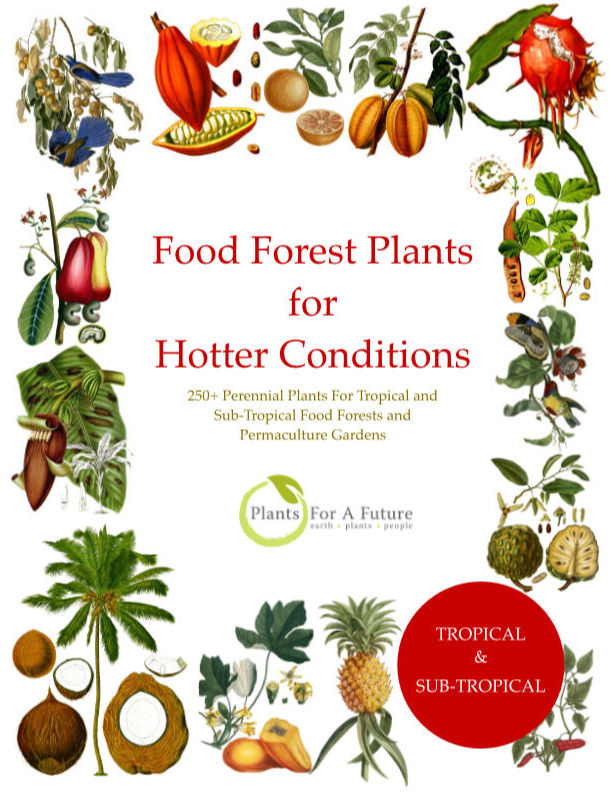
Edible Tropical Plants
Food Forest Plants for Hotter Conditions: 250+ Plants For Tropical Food Forests & Permaculture Gardens.
More
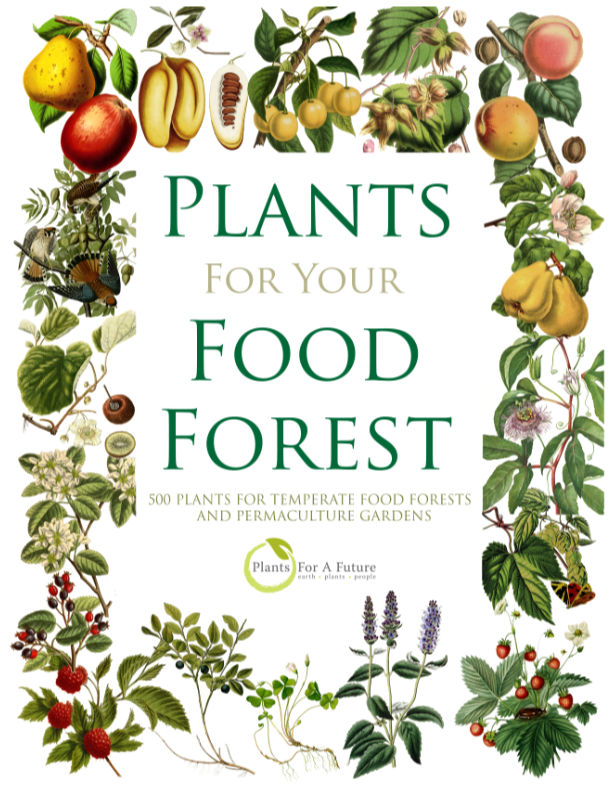
Edible Temperate Plants
Plants for Your Food Forest: 500 Plants for Temperate Food Forests & Permaculture Gardens.
More
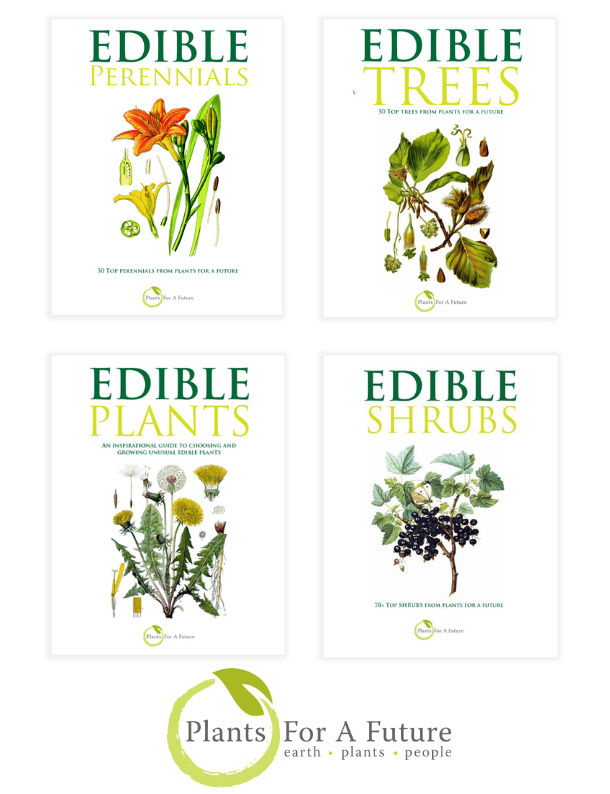
More Books
PFAF have eight books available in paperback and digital formats. Browse the shop for more information.
Shop Now
Other Uses
Dye Oil Rootstock
A potential rootstock for apricots[113]. A green dye can be obtained from the leaves[168]. A dark grey to green dye can be obtained from the fruit[168].
Special Uses
Carbon Farming Food Forest
References More on Other Uses
Cultivation details
Industrial Crop: Oil Management: Standard Regional Crop Staple Crop: Oil
Thrives in a well-drained moisture-retentive loamy soil, growing well on limestone[11, 200]. Prefers some lime in the soil but is likely to become chlorotic if too much lime is present[1]. Succeeds in sun or partial shade though it fruits better in a sunny position[11, 200]. This species is reputed to be hardy to about -50°c and as such is of potential use for conferring greater cold tolerance in breeding programmes with the closely related apricot, P. armeniaca. Most members of this genus are shallow-rooted and will produce suckers if the roots are damaged[238]. Plants in this genus are notably susceptible to honey fungus[200].
Carbon Farming
-
Industrial Crop: Oil
Materials, chemicals and energy include bioplastics, biomass, glycerin, soaps, lubricants, paints, biodiesel. Oilseed crop types.
-
Management: Standard
Plants grow to their standard height. Harvest fruit, seeds, or other products. Non-Destructive management systems.
-
Regional Crop
These crops have been domesticated and cultivated regionally but have not been adopted elsewhere and are typically not traded globally, Examples in this broad category include perennial cottons and many nuts and staple fruits.
-
Staple Crop: Oil
(0-15 percent protein, 16+ percent oil). Some of these are consumed whole while others are exclusively pressed for oil. Annuals include canola, poppyseed, maize, cottonseed, sunflower, peanut. Perennials include high-oil fruits, seeds, and nuts, such as olive, coconut, avocado, oil palm, shea, pecan, and macadamia. Some perennial oil crops are consumed whole as fruits and nuts, while others are exclusively pressed for oil (and some are used fresh and for oil).
References Carbon Farming Information and Carbon Sequestration Information
Temperature Converter
Type a value in the Celsius field to convert the value to Fahrenheit:
Fahrenheit:
The PFAF Bookshop
Plants For A Future have a number of books available in paperback and digital form. Book titles include Edible Plants, Edible Perennials, Edible Trees,Edible Shrubs, Woodland Gardening, and Temperate Food Forest Plants. Our new book is Food Forest Plants For Hotter Conditions (Tropical and Sub-Tropical).
Shop Now
Plant Propagation
Seed - requires 2 - 3 months cold stratification and is best sown in a cold frame as soon as it is ripe[200]. Sow stored seed in a cold frame as early in the year as possible[200]. Protect the seed from mice etc. The seed can be rather slow, sometimes taking 18 months to germinate[113]. Prick out the seedlings into individual pots when they are large enough to handle. Grow them on in a greenhouse or cold frame for their first winter and plant them out in late spring or early summer of the following year. Cuttings of half-ripe wood with a heel, July/August in a frame[11, 200]. Softwood cuttings from strongly growing plants in spring to early summer in a frame[200]. Layering in spring.
Other Names
If available other names are mentioned here
Native Plant Search
Search over 900 plants ideal for food forests and permaculture gardens. Filter to search native plants to your area. The plants selected are the plants in our book 'Plants For Your Food Forest: 500 Plants for Temperate Food Forests and Permaculture Gardens, as well as plants chosen for our forthcoming related books for Tropical/Hot Wet Climates and Mediterranean/Hot Dry Climates. Native Plant Search
Found In
Countries where the plant has been found are listed here if the information is available
Weed Potential
Right plant wrong place. We are currently updating this section.
Please note that a plant may be invasive in one area but may not in your area so it’s worth checking.
Conservation Status
IUCN Red List of Threatened Plants Status :

| Related Plants
|
| Latin Name | Common Name | Habit | Height | Hardiness | Growth | Soil | Shade | Moisture | Edible | Medicinal | Other |
| Prunus africana | Pygeum | Tree | 18.0 |
10-12
| F | LM | N | M | 0 | 5 | 2 |
| Prunus alabamensis | Alabama Cherry | Tree | 8.0 |
-
| | LMH | SN | M | 2 | 1 | 1 |
| Prunus alleghaniensis | Allegheny Plum, Davis' plum | Tree | 3.5 |
4-8
| F | LMH | SN | M | 3 | 1 | 2 |
| Prunus americana | American Plum, American Wild Plum, Wild Plum | Tree | 6.0 |
3-8
| M | LMH | SN | M | 3 | 2 | 3 |
| Prunus americana lanata | | Tree | 10.0 |
3-7
| | LMH | SN | M | 3 | 1 | 2 |
| Prunus andersonii | Desert Peach | Shrub | 1.8 |
-
| | LMH | SN | M | 2 | 2 | 1 |
| Prunus angustifolia | Chickasaw Plum, Watson's plum, Hally Jolivette Cherry | Tree | 3.0 |
5-9
| M | LMH | SN | M | 3 | 1 | 3 |
| Prunus angustifolia watsonii | Sand Plum | Shrub | 3.0 |
5-9
| | LMH | SN | M | 4 | 1 | 2 |
| Prunus apetala | Clove Cherry | Shrub | 7.0 |
-
| | LMH | SN | M | 2 | 1 | 1 |
| Prunus arabica | | Shrub | 0.0 |
-
| | LMH | SN | DM | 2 | 1 | 2 |
| Prunus armeniaca | Apricot | Tree | 9.0 |
5-7
| M | LM | SN | M | 4 | 3 | 4 |
| Prunus armeniaca mandschurica | Manchurian apricot | Tree | 6.0 |
3-9
| M | LM | SN | M | 4 | 3 | 3 |
| Prunus avium | Wild Cherry, Sweet cherry | Tree | 18.0 |
3-7
| F | LMH | SN | M | 4 | 2 | 4 |
| Prunus besseriana | Dwarf Almond | Tree | 0.0 |
-
| | LMH | SN | M | 2 | 1 | 2 |
| Prunus besseyi | Western Sand Cherry | Shrub | 1.2 |
3-6
| M | LMH | SN | M | 4 | 1 | 2 |
| Prunus bifrons | | Shrub | 1.8 |
-
| | LMH | SN | M | 2 | 1 | 1 |
| Prunus bokharensis | Bokhara Plum | Tree | 0.0 |
-
| | LMH | SN | M | 2 | 1 | 1 |
| Prunus brigantina | Briançon Apricot | Tree | 6.0 |
6-9
| | LMH | SN | DM | 4 | 1 | 2 |
| Prunus buergeriana | | Tree | 9.0 |
4-8
| | LMH | SN | M | 2 | 1 | 1 |
| Prunus campanulata | Taiwan Cherry | Tree | 7.0 |
7-9
| M | LMH | SN | M | 2 | 1 | 1 |
| Prunus canescens | Greyleaf Cherry | Shrub | 3.0 |
5-9
| | LMH | SN | M | 3 | 1 | 2 |
| Prunus capsica | | Tree | 0.0 |
-
| | LMH | SN | M | 2 | 1 | 1 |
| Prunus caroliniana | American Cherry Laurel, Carolina laurelcherry, Laurel Cherry, | Shrub | 12.0 |
7-10
| F | LMH | SN | DM | 2 | 1 | 3 |
| Prunus cerasifera | Cherry Plum, Myrobalan Plum, Newport Cherry Plum, Pissard Plum | Tree | 9.0 |
5-8
| M | LMH | SN | M | 4 | 1 | 3 |
| Prunus cerasifera divaricata | | Tree | 10.0 |
4-8
| | LMH | SN | M | 4 | 1 | 1 |
| Prunus cerasoides | Wild Himalayan Cherry | Tree | 30.0 |
7-10
| | LMH | SN | M | 2 | 2 | 2 |
| Prunus cerasus | Sour Cherry | Tree | 6.0 |
3-7
| | LMH | SN | M | 1 | 2 | 3 |
| Prunus cerasus austera | Morello Cherry | Tree | 9.0 |
3-7
| | LMH | SN | M | 3 | 1 | 3 |
| Prunus cerasus caproniana | Kentish Red Cherry | Tree | 9.0 |
3-7
| | LMH | SN | M | 3 | 1 | 3 |
| Prunus cerasus frutescens | Bush Sour Cherry | Tree | 1.0 |
3-7
| | LMH | SN | M | 3 | 1 | 3 |
|
|
Growth: S = slow M = medium F = fast. Soil: L = light (sandy) M = medium H = heavy (clay). pH: A = acid N = neutral B = basic (alkaline). Shade: F = full shade S = semi-shade N = no shade. Moisture: D = dry M = Moist We = wet Wa = water.

Expert comment
Author
L.
Botanical References
11200266
Links / References
For a list of references used on this page please go here
Readers comment
| Add a comment |
|
If you have important information about this plant that may help other users please add a comment or link below. Only comments or links that are felt to be directly relevant to a plant will be included. If you think a comment/link or information contained on this page is inaccurate or misleading we would welcome your feedback at [email protected]. If you have questions about a plant please use the Forum on this website as we do not have the resources to answer questions ourselves.
* Please note: the comments by website users are not necessarily those held by PFAF and may give misleading or inaccurate information.
To leave a comment please Register or login here All comments need to be approved so will not appear immediately.
|
Subject : Prunus sibirica
|
|
|
|