 |
|
|
 |
| http://commons.wikimedia.org/wiki/User:Sten |
Translate this page:
Summary
Physical Characteristics

 Morus nigra is a deciduous Tree growing to 10 m (32ft) by 15 m (49ft) at a slow rate.
See above for USDA hardiness. It is hardy to UK zone 5. It is in flower from May to June, and the seeds ripen from August to September. The species is monoecious (individual flowers are either male or female, but both sexes can be found on the same plant). The plant is self-fertile.
Suitable for: light (sandy), medium (loamy) and heavy (clay) soils and prefers well-drained soil. Suitable pH: mildly acid, neutral and basic (mildly alkaline) soils. It can grow in semi-shade (light woodland) or no shade. It prefers moist soil. It can tolerate atmospheric pollution.
UK Hardiness Map
US Hardiness Map
Synonyms
Plant Habitats
Woodland Garden Canopy; Secondary; Sunny Edge; Dappled Shade;
Edible Uses
Edible Parts: Fruit Shoots
Edible Uses:
Fruit - raw, cooked or used in preserves[1, 2, 3, 4, 7, 9, 183]. A delicious slightly acid flavour, it makes an excellent dessert fruit and can be eaten in quantity[K]. The fruit is juicy and refreshing, though it must be used as soon as it is ripe (from mid-August to September) otherwise it will start to rot[200]. The fruit falls from the tree as soon as it is fully ripe. It is best, therefore, to grow the tree in short grass to cushion the fall of the fruit but to still make it possible to find and harvest[K]. The fruit can also be dried and ground into a powder[183]. The fruit is up to 25mm in diameter[200, 227]. White Mulberry (Morus alba) has edible young leaves and shoots eaten cooked[105, 183] but we have found no information for this plant.
References More on Edible Uses
Medicinal Uses
Plants For A Future can not take any responsibility for any adverse effects from the use of plants. Always seek advice from a professional before using a plant medicinally.
Anthelmintic Astringent Homeopathy Hypoglycaemic Laxative Odontalgic Purgative Urinary
The mulberry has a long history of medicinal use in Chinese medicine, almost all parts of the plant are used in one way or another[238]. The white mulberry (M. alba) is normally used, but this species has the same properties[238]. Recent research has shown improvements in elephantiasis when treated with leaf extract injections and in tetanus following oral doses of the sap mixed with sugar[238]. Analgesic, emollient, sedative[7, 176]. The leaves are antibacterial, astringent, diaphoretic, hypoglycaemic, odontalgic and ophthalmic[218, 238]. They are taken internally in the treatment of colds, influenza, eye infections and nosebleeds[238]. The leaves are collected after the first frosts of autumn and can be used fresh but are generally dried[238]. The stems are antirheumatic, diuretic, hypotensive and pectoral[218, 238]. A tincture of the bark is used to relieve toothache[7]. The branches are harvested in late spring or early summer and are dried for later use[238]. The fruit has a tonic effect on kidney energy[218, 238]. It is used in the treatment of urinary incontinence, tinnitus, premature greying of the hair and constipation in the elderly[238]. Its main use in herbal medicine is as a colouring and flavouring in other medicines[4]. The root bark is antitussive, diuretic, expectorant and hypotensive[238]. It is used internally in the treatment of asthma, coughs, bronchitis, oedema, hypertension and diabetes[238]. The roots are harvested in the winter and dried for later use[238]. The bark is anthelmintic and purgative, it is used to expel tape worms[4, 240]. Extracts of the plant have antibacterial and fungicidal activity[218]. A homeopathic remedy is made from the leaves[9]. It is used in the treatment of diabetes[9].
References More on Medicinal Uses
The Bookshop: Edible Plant Books
Our Latest books on Perennial Plants For Food Forests and Permaculture Gardens in paperback or digital formats.
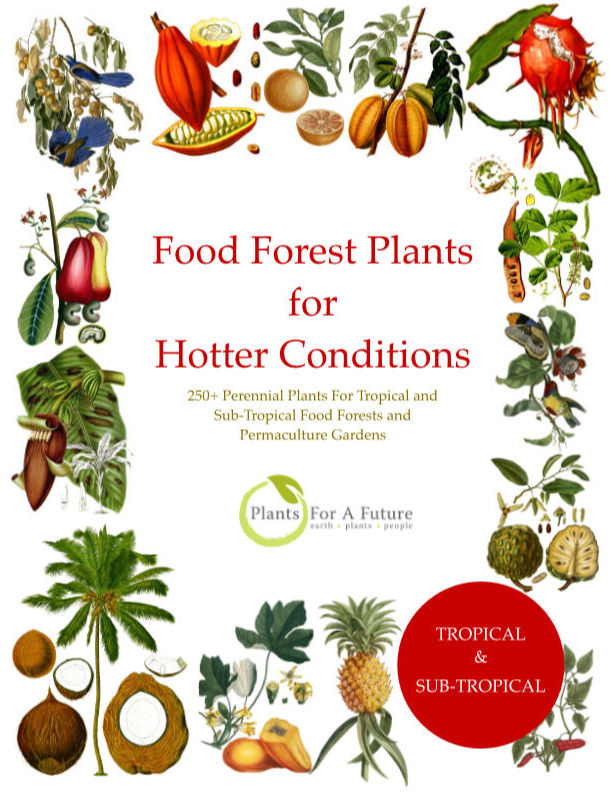
Edible Tropical Plants
Food Forest Plants for Hotter Conditions: 250+ Plants For Tropical Food Forests & Permaculture Gardens.
More
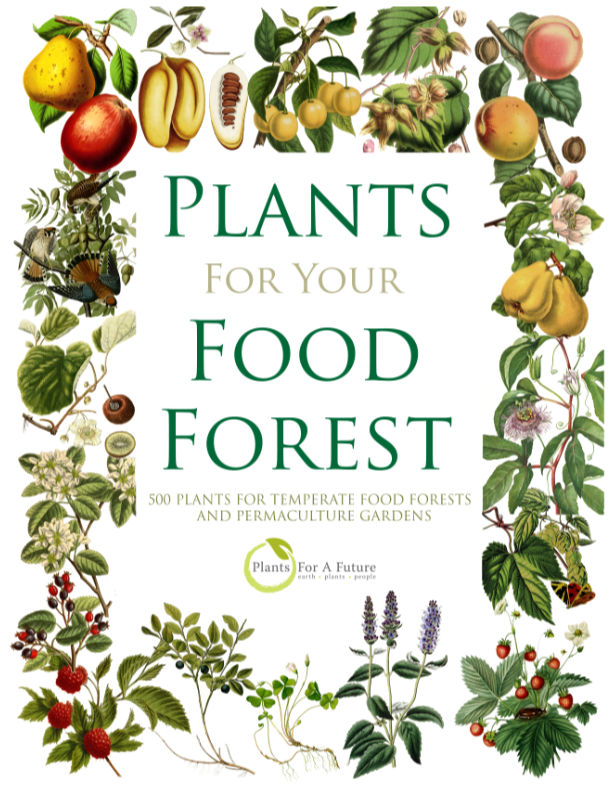
Edible Temperate Plants
Plants for Your Food Forest: 500 Plants for Temperate Food Forests & Permaculture Gardens.
More
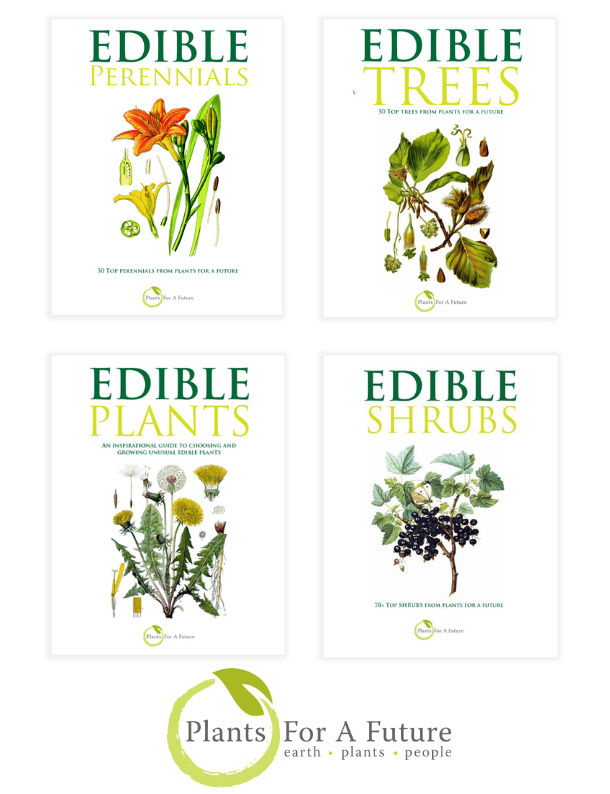
More Books
PFAF have eight books available in paperback and digital formats. Browse the shop for more information.
Shop Now
Other Uses
Dye Fibre Wood
A fibre used in weaving is obtained from the bark[7]. A red-violet to dark purple dye is obtained from the fruit[168]. A yellow-green dye is obtained from the leaves[168]. Wood - used in joinery[100].
Special Uses
Food Forest
References More on Other Uses
Cultivation details
Prefers a warm moist but well-drained loamy soil in a sheltered sunny position[1, 11]. Prefers a light soil[37]. Plants are very tolerant of atmospheric pollution[4]. Trees are hardy as far north as southern Sweden[4]. A slow growing[200] but very ornamental tree[1], the mulberry is sometimes cultivated in gardens for its delicious edible fruit[183]. The tree is not grown on a commercial scale because the fruit is too soft and easily damaged to allow it to be transported to market, and is therefore best eaten straight from the tree. There are some named varieties[183]. The mulberry takes many years to settle down and produce good crops of fruit, about 15 years being the norm[4]. Trees fruit well in southern and south-western Britain[59, 200] but they require the protection of a wall further north if the fruit is to ripen[200]. This is a good tree for growing grapes into[20]. It means that the grapes are difficult to pick, but they always seem to be healthier and free from fungal diseases[201]. Plants are late coming into leaf and also lose their leaves at the first autumn frosts though the tree in leaf casts quite a dense shade[200]. Mulberries have brittle roots and so need to be handled with care when planting them out[238]. Any pruning should only be carried out in the winter when the plant is fully dormant because mulberries bleed badly when cut[238]. Ideally prune only badly placed branches and dead wood[238]. Once considered to be a very long-lived tree, doubts are now being cast on this assumption, it is probably fairly short-lived[11]. Plants in this genus are notably resistant to honey fungus[200]. The plant is heat tolerant in zones 9 through 5. (Plant Hardiness Zones show how well plants withstand cold winter temperatures.
Plant Heat Zones show when plants would start suffering from the heat.
The Plant Heat Zone map is based on the number of "heat days" experienced in a given area where the temperature climbs to over 86 degrees F (30°C).
At this temperature, many plants begin to suffer physiological damage. Heat Zones range from 1 (no heat days) to 12 (210 or more heat days).
For example Heat Zone. 11-1 indicates that the plant is heat tolerant in zones 11 through 1.) For polyculture design as well as the above-ground architecture (form - tree, shrub etc. and size shown above) information on the habit and root pattern is also useful and given here if available. The plant growth habit is a standard with a non-suckering single trunk [1-2].
References Carbon Farming Information and Carbon Sequestration Information
Temperature Converter
Type a value in the Celsius field to convert the value to Fahrenheit:
Fahrenheit:
The PFAF Bookshop
Plants For A Future have a number of books available in paperback and digital form. Book titles include Edible Plants, Edible Perennials, Edible Trees,Edible Shrubs, Woodland Gardening, and Temperate Food Forest Plants. Our new book is Food Forest Plants For Hotter Conditions (Tropical and Sub-Tropical).
Shop Now
Plant Propagation
The seed germinates best if given 2 - 3 months cold stratification[80, 98]. Sow the seed as soon as it is ripe if possible, otherwise in February in a cold frame. The seed usually germinates in the first spring, though it sometimes takes another 12 months. Prick out the seedlings into individual pots when they are large enough to handle and grow them on in the cold frame for their first winter. Plant them out in late spring or early summer after the last expected frosts. Cuttings of half-ripe wood, 7 - 10cm with a heel, July/August in a frame. Plant out in spring. A good percentage take, though they sometimes fail to thrive[78, 113]. Cuttings of mature wood of the current season's growth, 25 - 30cm with a heel of 2 year old wood, autumn or early spring in a cold frame or a shady bed outside[78, 113,200]. Bury the cuttings to threequarters of their depth. It is said that cuttings of older wood up to 2.5 metres long can be readily made to strike[4]. The cuttings are taken in February and planted 30cm deep in a shady sheltered position outdoors. The stem is wrapped in moss to prevent water loss by transpiration, with only the top few buds not being covered[4]. Layering in autumn[200].
Other Names
If available other names are mentioned here
Native Plant Search
Search over 900 plants ideal for food forests and permaculture gardens. Filter to search native plants to your area. The plants selected are the plants in our book 'Plants For Your Food Forest: 500 Plants for Temperate Food Forests and Permaculture Gardens, as well as plants chosen for our forthcoming related books for Tropical/Hot Wet Climates and Mediterranean/Hot Dry Climates. Native Plant Search
Found In
Countries where the plant has been found are listed here if the information is available
Weed Potential
Right plant wrong place. We are currently updating this section.
Please note that a plant may be invasive in one area but may not in your area so it’s worth checking.
Conservation Status
IUCN Red List of Threatened Plants Status :

Growth: S = slow M = medium F = fast. Soil: L = light (sandy) M = medium H = heavy (clay). pH: A = acid N = neutral B = basic (alkaline). Shade: F = full shade S = semi-shade N = no shade. Moisture: D = dry M = Moist We = wet Wa = water.

Expert comment
Author
L.
Botanical References
11200266
Links / References
For a list of references used on this page please go here
Readers comment