 |
|
http://commons.wikimedia.org/wiki/File:194_Lactuca_virosa_L.jpg |
 |
| http://commons.wikimedia.org/wiki/User:Luis_nunes_alberto |
Translate this page:
Summary
Physical Characteristics

 Lactuca virosa is a ANNUAL/BIENNIAL growing to 1.8 m (6ft).
See above for USDA hardiness. It is hardy to UK zone 6 and is not frost tender. It is in flower from July to September, and the seeds ripen from August to September. The species is hermaphrodite (has both male and female organs) and is pollinated by Insects.
Suitable for: light (sandy) and medium (loamy) soils and prefers well-drained soil. Suitable pH: mildly acid, neutral and basic (mildly alkaline) soils. It cannot grow in the shade. It prefers moist soil.
UK Hardiness Map
US Hardiness Map
Synonyms
Plant Habitats
Cultivated Beds;
Edible Uses
Edible Parts: Leaves Oil
Edible Uses: Oil
Leaves - raw or cooked[52]. Very tender[5]. Caution is advised, see the notes above on toxicity. A mild flavoured oil, used in cooking, is obtained from the seeds[4].
References More on Edible Uses
Medicinal Uses
Plants For A Future can not take any responsibility for any adverse effects from the use of plants. Always seek advice from a professional before using a plant medicinally.
Anodyne Antispasmodic Digestive Homeopathy Hypnotic Narcotic Sedative Tonic
Urinary
The whole plant is rich in a milky sap that flows freely from any wounds. This hardens and dries when in contact with the air[4]. The sap contains 'lactucarium', which is used in medicine for its anodyne, antispasmodic, digestive, diuretic, hypnotic, narcotic and sedative properties[9, 21, 46, 165, 192, 213, 238]. Lactucarium has the effects of a feeble opium, but without its tendency to cause digestive upsets[4], nor is it addictive[7]. It is taken internally in the treatment of insomnia, anxiety, neuroses, hyperactivity in children, dry coughs, whooping cough, rheumatic pain etc[238]. Concentrations of lactucarium are low in young plants and most concentrated when the plant comes into flower[238]. It is collected commercially by cutting the heads of the plants and scraping the juice into china vessels several times a day until the plant is exhausted[4]. This species is probably the richest supply of lactucarium[4]. The plant also contains 'hyoscyamine', a powerful depressant of the parasympathetic nervous system[213]. An infusion of the fresh or dried flowering plant can also be used[9]. The plant should be used with caution, and never without the supervision of a skilled practitioner. Even normal doses can cause drowsiness whilst excess causes restlessness[238] and overdoses can cause death through cardiac paralysis[7, 9]. Some physicians believe that any effects of this medicine are caused by the mind of the patient rather than by the medicine[213]. The sap has also been applied externally in the treatment of warts[222]. A homeopathic remedy is made from the plant[9]. It is used in the treatment of chronic catarrh, coughs, swollen liver, flatulence and ailments of the urinary tract[9].
References More on Medicinal Uses
The Bookshop: Edible Plant Books
Our Latest books on Perennial Plants For Food Forests and Permaculture Gardens in paperback or digital formats.
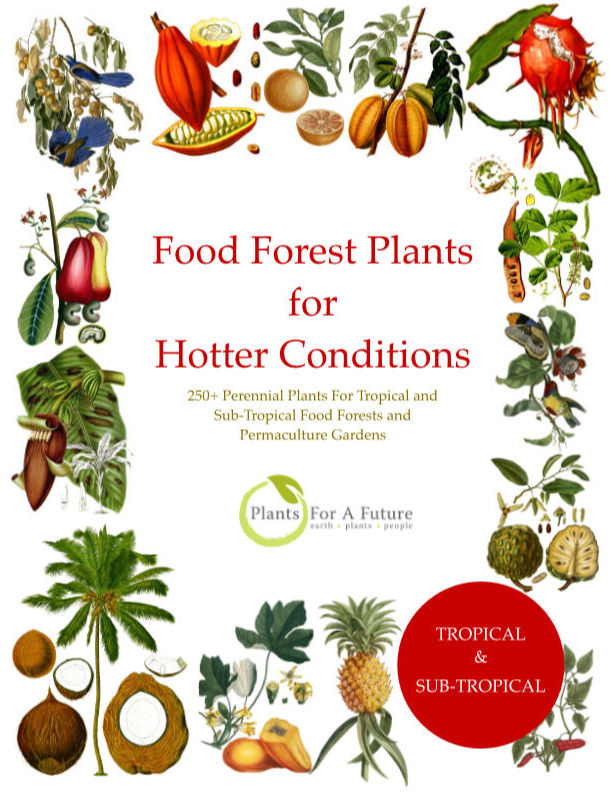
Edible Tropical Plants
Food Forest Plants for Hotter Conditions: 250+ Plants For Tropical Food Forests & Permaculture Gardens.
More
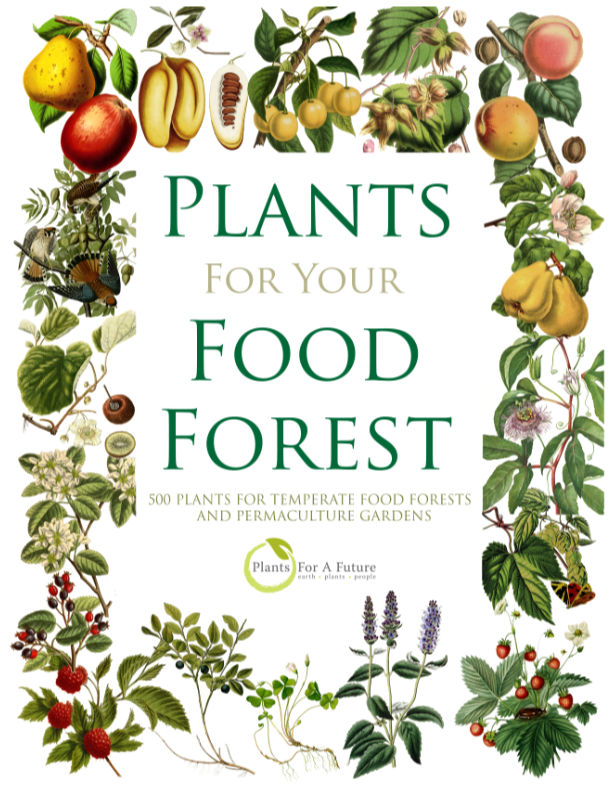
Edible Temperate Plants
Plants for Your Food Forest: 500 Plants for Temperate Food Forests & Permaculture Gardens.
More
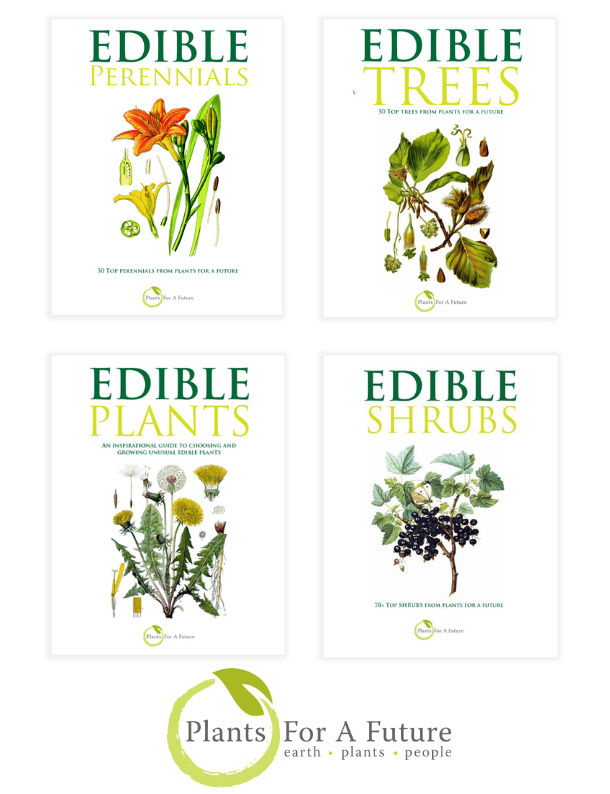
More Books
PFAF have eight books available in paperback and digital formats. Browse the shop for more information.
Shop Now
Other Uses
Oil
None known
Special Uses
References More on Other Uses
Cultivation details
Prefers a light sandy loam and a sunny position[1]. The wild lettuce is cultivated as a medicinal plant in many areas of Europe[4, 46, 61].
References Carbon Farming Information and Carbon Sequestration Information
Temperature Converter
Type a value in the Celsius field to convert the value to Fahrenheit:
Fahrenheit:
The PFAF Bookshop
Plants For A Future have a number of books available in paperback and digital form. Book titles include Edible Plants, Edible Perennials, Edible Trees,Edible Shrubs, Woodland Gardening, and Temperate Food Forest Plants. Our new book is Food Forest Plants For Hotter Conditions (Tropical and Sub-Tropical).
Shop Now
Plant Propagation
Seed - sow spring or autumn in situ and only just cover the seed. Germination is usually fairly quick.
Other Names
If available other names are mentioned here
Native Plant Search
Search over 900 plants ideal for food forests and permaculture gardens. Filter to search native plants to your area. The plants selected are the plants in our book 'Plants For Your Food Forest: 500 Plants for Temperate Food Forests and Permaculture Gardens, as well as plants chosen for our forthcoming related books for Tropical/Hot Wet Climates and Mediterranean/Hot Dry Climates. Native Plant Search
Found In
Countries where the plant has been found are listed here if the information is available
Weed Potential
Right plant wrong place. We are currently updating this section.
Please note that a plant may be invasive in one area but may not in your area so it’s worth checking.
Conservation Status
IUCN Red List of Threatened Plants Status :

Growth: S = slow M = medium F = fast. Soil: L = light (sandy) M = medium H = heavy (clay). pH: A = acid N = neutral B = basic (alkaline). Shade: F = full shade S = semi-shade N = no shade. Moisture: D = dry M = Moist We = wet Wa = water.

Expert comment
Author
L.
Botanical References
17
Links / References
For a list of references used on this page please go here
Readers comment