Translate this page:
Summary
Physical Characteristics

 Desmanthus illinoensis is a PERENNIAL growing to 1.3 m (4ft 3in).
See above for USDA hardiness. It is hardy to UK zone 4 and is not frost tender. It is in flower from May to July. The species is hermaphrodite (has both male and female organs) and is pollinated by Insects.
It can fix Nitrogen.
Suitable for: light (sandy), medium (loamy) and heavy (clay) soils, prefers well-drained soil and can grow in heavy clay soil. Suitable pH: mildly acid, neutral and basic (mildly alkaline) soils. It cannot grow in the shade. It prefers moist soil.
UK Hardiness Map
US Hardiness Map
Synonyms
D. brachylobus. Acuan illinoensis. (Michx.)Kuntze.
Plant Habitats
Woodland Garden Sunny Edge; Cultivated Beds;
Edible Uses
Edible Parts: Seed
Edible Uses:
Seed - cooked. Rich in protein but without much flavour[183]. The seedpods are about 25mm long and contain 3 - 5 small seeds[235]. They are freely borne in the plants native environment, but will have to be very freely produced in this country if it is to be a worthwhile crop[K].
References More on Edible Uses
Medicinal Uses
Plants For A Future can not take any responsibility for any adverse effects from the use of plants. Always seek advice from a professional before using a plant medicinally.
Antipruritic Ophthalmic
A leaf tea has been used in the treatment of itchy skin[222, 257]. Five seeds have been placed in the eye at night and washed out in the morning to treat trachoma[257].
References More on Medicinal Uses
The Bookshop: Edible Plant Books
Our Latest books on Perennial Plants For Food Forests and Permaculture Gardens in paperback or digital formats.
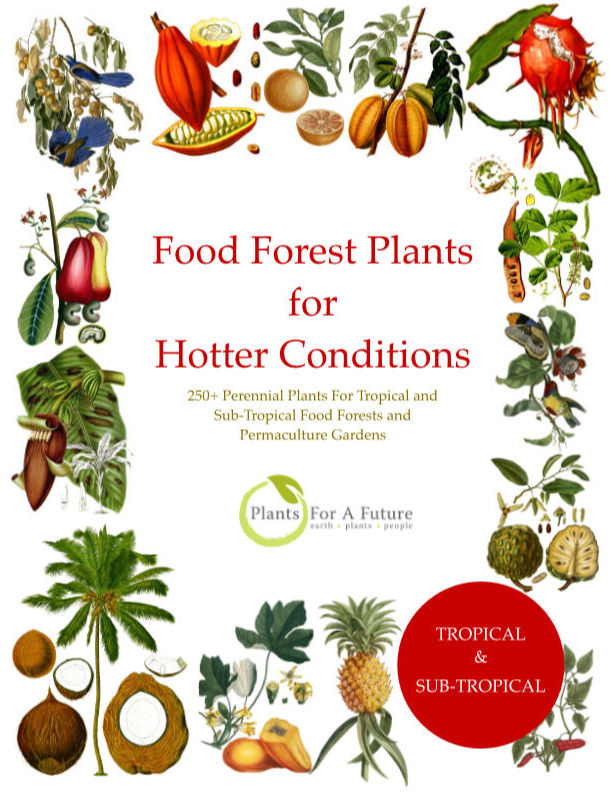
Edible Tropical Plants
Food Forest Plants for Hotter Conditions: 250+ Plants For Tropical Food Forests & Permaculture Gardens.
More
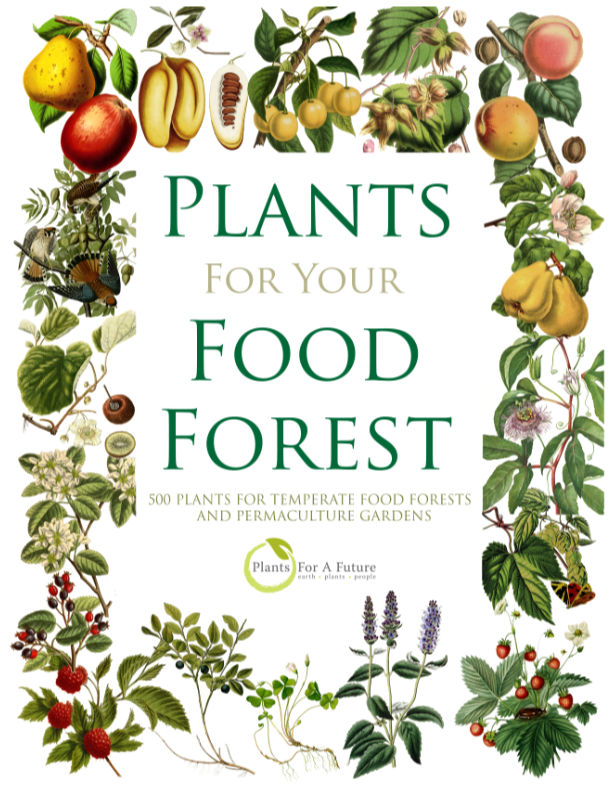
Edible Temperate Plants
Plants for Your Food Forest: 500 Plants for Temperate Food Forests & Permaculture Gardens.
More
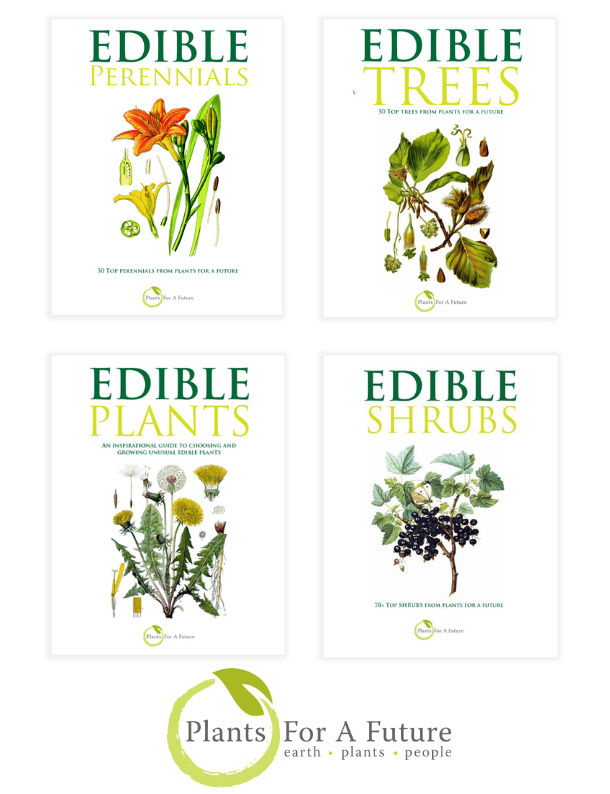
More Books
PFAF have eight books available in paperback and digital formats. Browse the shop for more information.
Shop Now
Other Uses
Root bark of D. illinoensis has been found to contain N,N-DMT, NMT, N-hydroxy-N-methyltryptamine, 2-hydroxy-N-methyltryptamine, and gramine (toxic). The root bark is mixed with a native source of beta-Carbolines to produce a hallucinogenic drink called prairiehuasca, which is an analog of the shamanic brew ayahuasca.
Special Uses
Carbon Farming Nitrogen Fixer
References More on Other Uses
Cultivation details
Agroforestry Services: Nitrogen Management: Standard Staple Crop: Protein Under Development
Requires a moist but well-drained soil in full sun[200]. Plants are often found growing in clay soils in the wild[274]. Suitable for the wild garden or other naturalistic plantings[200]. In favourable situations this plant can self-sow to the point of nuisance[200]. This plant is being evaluated by the Land Institute of Salina, Kansas, as an edible legume for growing with perennial grains in a non-tillage permaculture system[183]. It is certainly worthy of more attention in this country, though the small seed size mitigates against its use[K]. This species has a symbiotic relationship with certain soil bacteria, these bacteria form nodules on the roots and fix atmospheric nitrogen. Some of this nitrogen is utilized by the growing plant but some can also be used by other plants growing nearby[200].
Carbon Farming
-
Agroforestry Services: Nitrogen
Plants that contribute to nitrogen fixation include the legume family – Fabaceae.
-
Management: Standard
Plants grow to their standard height. Harvest fruit, seeds, or other products. Non-Destructive management systems.
-
Staple Crop: Protein
(16+ percent protein, 0-15 percent oil). Annuals include beans, chickpeas, lentils, cowpeas, and pigeon peas. Perennials include perennial beans, nuts, leaf protein concentrates, and edible milks.
-
Under Development
Plant breeders are actively working to domesticate these plants for cultivation, but they are not yet commercially available as crops. Examples include most of the perennial cereal grains.
References Carbon Farming Information and Carbon Sequestration Information
Temperature Converter
Type a value in the Celsius field to convert the value to Fahrenheit:
Fahrenheit:
The PFAF Bookshop
Plants For A Future have a number of books available in paperback and digital form. Book titles include Edible Plants, Edible Perennials, Edible Trees,Edible Shrubs, Woodland Gardening, and Temperate Food Forest Plants. Our new book is Food Forest Plants For Hotter Conditions (Tropical and Sub-Tropical).
Shop Now
Plant Propagation
Seed - pre-soak for 12 hours in warm water and then sow in a cold frame in the spring. Prick out the seedlings into individual pots as soon as they are large enough to handle and plant them out into their permanent positions in early summer. If you have sufficient seed then it is probably worthwhile sowing some in situ in mid to late spring.
Other Names
If available other names are mentioned here
Prairie Mimosa, Illinois bundleflower,prickleweed.
Native Plant Search
Search over 900 plants ideal for food forests and permaculture gardens. Filter to search native plants to your area. The plants selected are the plants in our book 'Plants For Your Food Forest: 500 Plants for Temperate Food Forests and Permaculture Gardens, as well as plants chosen for our forthcoming related books for Tropical/Hot Wet Climates and Mediterranean/Hot Dry Climates. Native Plant Search
Found In
Countries where the plant has been found are listed here if the information is available
North America, USA, Belgium.
Weed Potential
Right plant wrong place. We are currently updating this section.
Please note that a plant may be invasive in one area but may not in your area so it’s worth checking.
This plant can be weedy or invasive.
Conservation Status
IUCN Red List of Threatened Plants Status : This taxon has not yet been assessed.

Growth: S = slow M = medium F = fast. Soil: L = light (sandy) M = medium H = heavy (clay). pH: A = acid N = neutral B = basic (alkaline). Shade: F = full shade S = semi-shade N = no shade. Moisture: D = dry M = Moist We = wet Wa = water.

Expert comment
Author
(Michx.)MacMill. ex B.L.Rob.&Fernald.
Botanical References
200235274
Links / References
For a list of references used on this page please go here
Readers comment