Translate this page:
Summary
Physical Characteristics

 Chamaemelum nobile is an evergreen Perennial growing to 0.2 m (0ft 8in) by 0.3 m (1ft).
See above for USDA hardiness. It is hardy to UK zone 4 and is not frost tender. It is in leaf all year, in flower from June to July, and the seeds ripen from July to October. The species is hermaphrodite (has both male and female organs) and is pollinated by Bees, flies, beetles. The plant is self-fertile.
Suitable for: light (sandy), medium (loamy) and heavy (clay) soils, prefers well-drained soil and can grow in nutritionally poor soil. Suitable pH: mildly acid, neutral and basic (mildly alkaline) soils and can grow in very alkaline soils.
It can grow in semi-shade (light woodland) or no shade. It prefers dry or moist soil and can tolerate drought.
UK Hardiness Map
US Hardiness Map
Synonyms
Anthemis nobilis. Anacyclus aureus. Anthemis aurea. Chamomilla nobilis.
Plant Habitats
Ground Cover; Lawn; Cultivated Beds; East Wall. In. South Wall. In. West Wall. In.
Edible Uses
Edible Parts: Flowers Shoots
Edible Uses: Condiment Tea
Young sprigs are used as a seasoning and a flavouring in herb beers[15, 183]. The fresh or dried flowers are used to make herb teas[21, 37, 183]. This has a strong aromatic odour and a bitter flavour, especially the single-flowered form[4]. The whole herb is used for making herbal beers[4].
References More on Edible Uses
Medicinal Uses
Plants For A Future can not take any responsibility for any adverse effects from the use of plants. Always seek advice from a professional before using a plant medicinally.
Anodyne Antianxiety Antiinflammatory Antispasmodic Aromatherapy Nervine Stomachic Tonic
Vasodilator
Camomile is a common herb with a long history of safe and effective medicinal use - it is widely used as a household herbal remedy. It is particularly useful as a remedy for various problems of the digestive system, as a sedative and a nervine, it is especially suited for young children[4, 20, 21]. A tea is made from the flowers and this should be prepared in a closed vessel to prevent loss of the essential oils[4]. The flowers are anodyne, anti-inflammatory, antispasmodic, nervine, stomachic, tonic, vasodilator[4, 14, 21, 37, 165, 201]. The single-flowered form is the most potent medicinally, though it can in large doses damage the lining of the stomach and bowels[4]. For this reason, the double-flowered form is usually preferred since this contains less of the alkaloid that causes the problem[4]. The flowers are gathered in the summer when they are fully open and are distilled for their oil or dried for later use[238]. They should not be stored for longer than 12 months[238]. The whole herb is used to make a lotion for external application in the treatment of toothache, earache, neuralgia etc[4]. The essential oil is used in aromatherapy. Its keyword is 'Soothing'[210]. The German Commission E Monographs, a therapeutic guide to herbal medicine, approve Chamaemelum nobile for coughs and bronchitis, fevers and colds, inflammations of the skin, inflammation of the mouth and pharynx, tendency to infection - improve immunity, wounds and burns (see [302] for critics of commission E).
References More on Medicinal Uses
The Bookshop: Edible Plant Books
Our Latest books on Perennial Plants For Food Forests and Permaculture Gardens in paperback or digital formats.
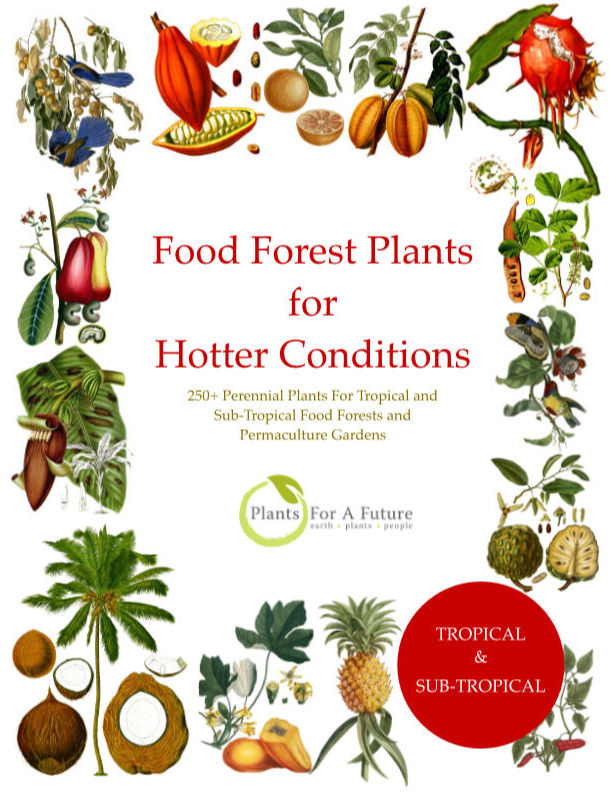
Edible Tropical Plants
Food Forest Plants for Hotter Conditions: 250+ Plants For Tropical Food Forests & Permaculture Gardens.
More
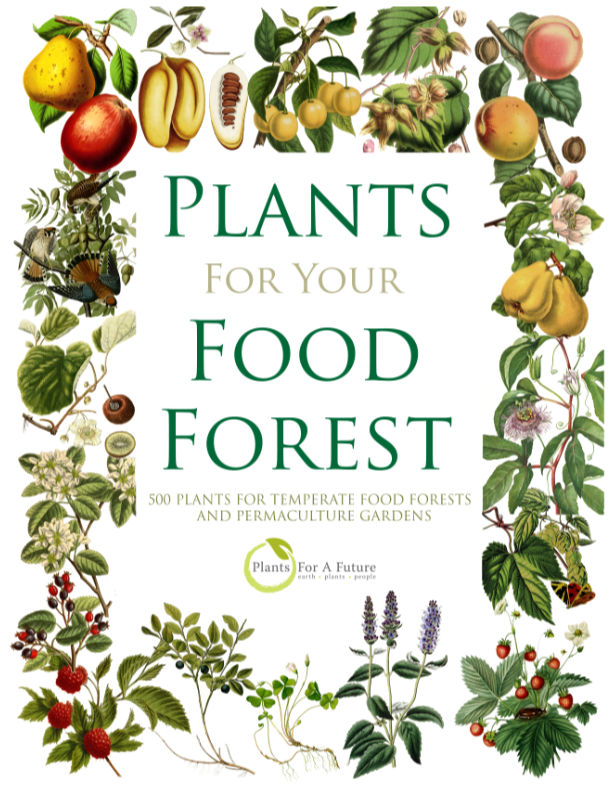
Edible Temperate Plants
Plants for Your Food Forest: 500 Plants for Temperate Food Forests & Permaculture Gardens.
More
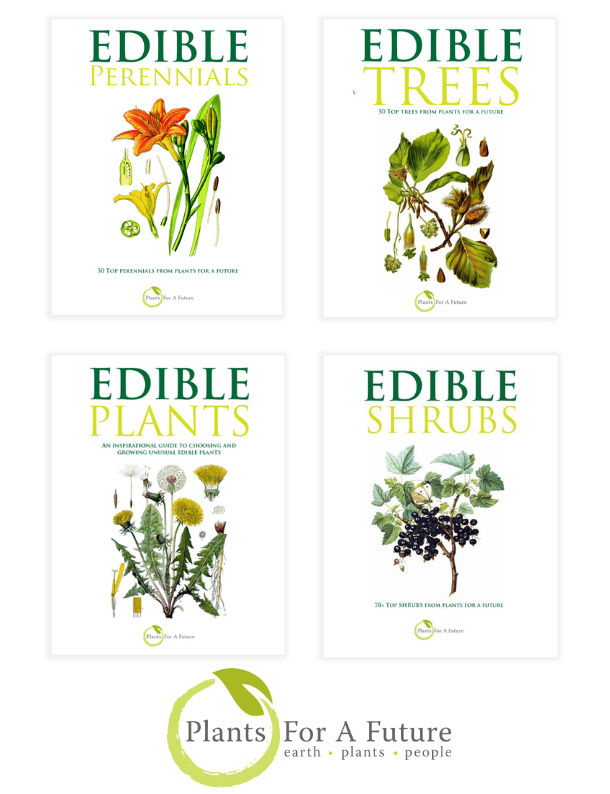
More Books
PFAF have eight books available in paperback and digital formats. Browse the shop for more information.
Shop Now
Other Uses
Companion Compost Dye Essential Fungicide Hair Liquid feed Repellent Strewing
An infusion of the flowers is used as a hair shampoo, especially for fair hair[14, 20, 168]. It is also used as a liquid feed and general plant tonic[14], effective against a number of plant diseases[18, 20, 201]. It has fungicidal properties and its use is said to prevent damping off in seedlings[238]. The flowers are an ingredient of 'QR' herbal compost activator[32]. This is a dried and powdered mixture of several herbs that can be added to a compost heap in order to speed up bacterial activity and thus shorten the time needed to make the compost[K]. The whole plant was formerly used as a strewing herb[4, 168]. The whole plant is insect repellent both when growing and when dried[14, 20]. An essential oil from the whole plant is used as a flavouring and in perfumery[46]. Yellow to gold dyes are obtained from the flowers[168]. The plant makes a very good ground cover[197] and can also be used as an edging plant[200]. It does tend to become bare in patches[208]. A dynamic accumulator gathering minerals or nutrients from the soil and storing them in a more bioavailable form - used as fertilizer or to improve mulch.
Special Uses
Dynamic accumulator Food Forest Ground cover Scented Plants
References More on Other Uses
Cultivation details
Tolerates most well-drained soils, preferring a dry sandy soil and a sunny position[4, 37, 200]. Tolerates partial shade[16]. Established plants are drought tolerant[190]. Can be grown in grass[54]. Tolerates a pH in the range of 6.8 to 8. Plants are hardy to at least -15°c[200]. They often deteriorate in very wet or cold winters, but usually recover quickly in the spring and early summer[238]. Chamomile is commonly grown in the domestic herb garden, it is also cultivated commercially for its flowers which are used in herb teas and medicinally. The double-flowered form is highly regarded for its medicinal virtues[165]. Plants can be invasive when growing in good conditions[188], though they are easy to control[K]. There is some confusion between this plant (which is a perennial) and the annual chamomile (Matricaria chamomilla) as to which is the genuine medicinal chamomile. Some reports say that this plant is the most effective herbally[4], whilst others say that Matricaria is more potent[9]. Both plants seem to have very similar properties and either can probably be used quite successfully. Camomile is a very good companion plant, promoting the health of plants it is growing close to, it is especially good for growing near cabbages, onions and, in small quantities, wheat[4, 14, 20, 54, 201, 238]. The cultivar 'Treneague' is a low-growing non-flowering form that makes an excellent ground cover[197]. Fairly tolerant of being walked on, it is sometimes used instead of grass for making a lawn though it is more difficult to maintain and can become weed-infested, especially in its early stages[200]. It also tends to become bare in places[208]. The whole plant has a pungent aroma, this being especially noticeable on hot days or when the plant is bruised. Suitable for temperate areas; in subtropical areas, it requires partial shade and will be short-lived; it is unlikely to grow in tropical areas. The plant is heat tolerant in zones 9 through 6. (Plant Hardiness Zones show how well plants withstand cold winter temperatures.
Plant Heat Zones show when plants would start suffering from the heat.
The Plant Heat Zone map is based on the number of "heat days" experienced in a given area where the temperature climbs to over 86 degrees F (30°C).
At this temperature, many plants begin to suffer physiological damage. Heat Zones range from 1 (no heat days) to 12 (210 or more heat days).
For example Heat Zone. 11-1 indicates that the plant is heat tolerant in zones 11 through 1.) For polyculture design as well as the above-ground architecture (form - tree, shrub etc. and size shown above) information on the habit and root pattern is also useful and given here if available. A clumping mat former. Forming a dense prostrate carpet with a limited spread [1-2]. In garden design, as well as the above-ground architecture of a plant, root structure considerations help in choosing plants that work together for their optimal soil requirements including nutrients and water. The root pattern is suckering with new plants from runners away from the plant [2-1].
References Carbon Farming Information and Carbon Sequestration Information
Temperature Converter
Type a value in the Celsius field to convert the value to Fahrenheit:
Fahrenheit:
The PFAF Bookshop
Plants For A Future have a number of books available in paperback and digital form. Book titles include Edible Plants, Edible Perennials, Edible Trees,Edible Shrubs, Woodland Gardening, and Temperate Food Forest Plants. Our new book is Food Forest Plants For Hotter Conditions (Tropical and Sub-Tropical).
Shop Now
Plant Propagation
Seed - sow March in a cold frame. Only just cover the seed and do not let the compost dry out. When they are large enough to handle, prick the seedlings out into individual pots and plant them out into their permanent positions in the summer. Division in spring or autumn. Very easy, larger clumps can be replanted direct into their permanent positions, though it is best to pot up smaller clumps and grow them on in a cold frame until they are rooting well. Plant them out in the summer or following spring. Basal cuttings in spring. Harvest the shoots when they are about 5cm long with plenty of underground stem. Pot them up into individual pots and keep them in light shade in a cold frame or greenhouse until they are rooting well. Plant them out in the summer.
Other Names
If available other names are mentioned here
Native Plant Search
Search over 900 plants ideal for food forests and permaculture gardens. Filter to search native plants to your area. The plants selected are the plants in our book 'Plants For Your Food Forest: 500 Plants for Temperate Food Forests and Permaculture Gardens, as well as plants chosen for our forthcoming related books for Tropical/Hot Wet Climates and Mediterranean/Hot Dry Climates. Native Plant Search
Found In
Countries where the plant has been found are listed here if the information is available
Weed Potential
Right plant wrong place. We are currently updating this section.
Please note that a plant may be invasive in one area but may not in your area so it’s worth checking.
Conservation Status
IUCN Red List of Threatened Plants Status :

Growth: S = slow M = medium F = fast. Soil: L = light (sandy) M = medium H = heavy (clay). pH: A = acid N = neutral B = basic (alkaline). Shade: F = full shade S = semi-shade N = no shade. Moisture: D = dry M = Moist We = wet Wa = water.

Expert comment
Author
(L.)All.
Botanical References
17200
Links / References
For a list of references used on this page please go here
Readers comment
© 2010, Plants For A Future. Plants For A Future is a charitable company limited by guarantee, registered in England and Wales. Charity No. 1057719, Company No. 3204567.