Translate this page:
Summary
Bloom Color: White.
Main Bloom Time: Early fall, Early spring, Early winter, Late fall, Late spring, Late winter, Mid fall, Mid spring, Mid winter. Also known as:: BLACK TEA: Black Leaf Tea, Camellia thea, Camellia theifera, Chinese Tea, English Tea, Feuille de Thé Noir, Té Negro, Tea, Thé Anglais, Thé Noir, Thea bohea, Thea sinensis, Thea viridis, Theaflavin, Théaflavine.
GREEN TEA: Green Sencha Tea, Green Tea Extract, Japanese Tea, Kunecatechins, Té Verde, Tea, Tea Extract, Tea Green, Thé de Camillia, Thé Japonais, Thé Vert, Thé Vert de Yame, Thé Vert Sensha, Thea bohea, Thea sinensis, Thea viridis, Yame Green Tea, Yame Tea. Form: Oval.
Physical Characteristics

 Camellia sinensis is an evergreen Shrub growing to 4 m (13ft) by 2.5 m (8ft) at a slow rate.
See above for USDA hardiness. It is hardy to UK zone 8. It is in leaf all year, in flower from March to May. The species is hermaphrodite (has both male and female organs) and is pollinated by Bees. The plant is not self-fertile.
Suitable for: light (sandy) and medium (loamy) soils and prefers well-drained soil. Suitable pH: mildly acid and neutral soils and can grow in very acid soils.
It can grow in semi-shade (light woodland). It prefers moist soil.
UK Hardiness Map
US Hardiness Map
Synonyms
C. bohea. C. thea. C. theifera. Thea sinensis. Thea viridis.
Plant Habitats
Woodland Garden Sunny Edge; Dappled Shade; Shady Edge;
Edible Uses
Edible Parts: Leaves Oil Oil Shoots
Edible Uses: Colouring Condiment Oil Oil Tea
The leaves are infused in hot water and used as the drink that is commonly known as tea. It is widely drunk in many areas of the world. Green tea is made from the steamed and dried leaves, whilst black tea (the form most commonly drunk in the west) is made from leaves that have been fermented and then dried[183, 238]. Tea contains polyphenols, these are antioxidants that help to protect the body against heart diseases, stroke and cancer[238]. It also contains the stimulant caffeine which, when taken in excess, can cause sleeplessness and irritability and also, through its action as a diuretic, act to remove nutrients from the body. Tea is also rich in tannin and is a possible cause of oesophageal cancer[238]. Cold tea is sometimes used as a soaking liquid to flavour dried fruit[238]. One report says that the leaves are used as a boiled vegetable[179]. The leaves contain about 25.7% protein, 6.5% fat, 40.8% carbohydrate, 5% ash, 3.3% caffeine, 12.9% tannin[179]. Terminal sprouts with 2-3 leaves are usually hand-plucked, 10 kg of green shoots (75-80% water) produce about 2.5 kg dried tea[269]. The bushes are plucked every 7-15 days, depending on the development of the tender shoots. Leaves that are slow in development always make a better flavoured product[269]. Various techniques are used to produce black teas, usually during July and August when solar heat is most intense. Freshly picked leaves are spread very thinly and evenly on trays and placed in the sun until the leaves become very flaccid, requiring 13 hours or more, depending on heat and humidity. Other types of black teas are made by withering the leaves, rolling them into a ball and allowing to ferment in a damp place for 3-6 hours, at which time the ball turns a yellowish copper colour, with an agreeable fruity one[269]. If this stage goes too far, the leaves become sour and unfit for tea. After fermenting, the ball is broken up and the leaves spread out on trays and dried in oven until leaves are brittle and have slight odour of tea[269]. Tea is then stored in air-tight tin boxes or cans. As soon as harvested, leaves are steamed or heated to dry the natural sap and prevent oxidation to produce green tea. Still soft and pliable after the initial treatment, the leaves are then rolled and subjected to further firing. Thus dried, the leaves are sorted into various grades of green tea[269]. The flowers are made into 'tempura' using the edible oil that is obtained from the seed[183]. A clear golden-yellow edible oil resembling sasanqua oil is obtained from the seed[183, 269]. The oil needs to be refined before it is eaten. An essential oil distilled from the fermented dried leaves is used as a commercial food flavouring[238]. Tea extract is used as a flavour in alcoholic beverages, frozen dairy desserts, candy, baked goods, gelatines, and puddings[269]. Tea is a potential source of food colours (black, green, orange, yellow, etc.)[269].
References More on Edible Uses
| Composition
|
| Figures in grams (g) or miligrams (mg) per 100g of food.
|
|
|
Leaves (Dry weight)
|
|
- 0 Calories per 100g
- Water : 0%
- Protein: 25.7g; Fat: 6.5g; Carbohydrate: 40.8g; Fibre: 0g; Ash: 5g;
- Minerals - Calcium: 0mg; Phosphorus: 0mg; Iron: 0mg; Magnesium: 0mg; Sodium: 0mg; Potassium: 0mg; Zinc: 0mg;
- Vitamins - A: 0mg; Thiamine (B1): 0mg; Riboflavin (B2): 0mg; Niacin: 0mg; B6: 0mg; C: 0mg;
- Reference: [ ]
- Notes:
|
|
Medicinal Uses
Plants For A Future can not take any responsibility for any adverse effects from the use of plants. Always seek advice from a professional before using a plant medicinally.
Antidiarrhoeal Antiemetic Astringent Cardiotonic Diuretic Dysentery Stimulant
The tea plant is commonly used in Chinese herbalism, where it is considered to be one of the 50 fundamental herbs[218]. Modern research has shown that there are many health benefits to drinking tea, including its ability to protect the drinker from certain heart diseases. It has also been shown that drinking tea can protect the teeth from decay[254], because of the fluoride naturally occurring in the tea[K]. However, the tea also contains some tannin, which is suspected of being carcinogenic[269]. The leaves are cardiotonic, diuretic, expectorant, stimulant and astringent[4, 174, 192, 218, 240, 269]. They exert a decided influence over the nervous system, giving a feeling of comfort and exhilaration, but also producing an unnatural wakefulness when taken in large doses[4]. They are used internally in the treatment of diarrhoea, dysentery, hepatitis and gastro-enteritis[218, 238]. Tea is reportedly effective in clinical treatment of amoebic dysentery, bacterial dysentery, gastro-enteritis, and hepatitis. It has also been reported to have antiatherosclerotic effects and vitamin P activity[269]. Excessive use, however, can lead to dizziness, constipation, constipation, indigestion, palpitations and insomnia[238]. Externally, they are used as a poultice or wash to treat cuts, burns, bruises, insect bites, ophthalmia, swellings etc[218, 238, 257]. Only the very young leaves and leaf buds are used, these can be harvested throughout the growing season from plants over three years old and are dried for later use[238]. Teabags have been poulticed onto baggy or tired eyes, compressed onto headache, or used to bathe sunburn[269].
References More on Medicinal Uses
The Bookshop: Edible Plant Books
Our Latest books on Perennial Plants For Food Forests and Permaculture Gardens in paperback or digital formats.
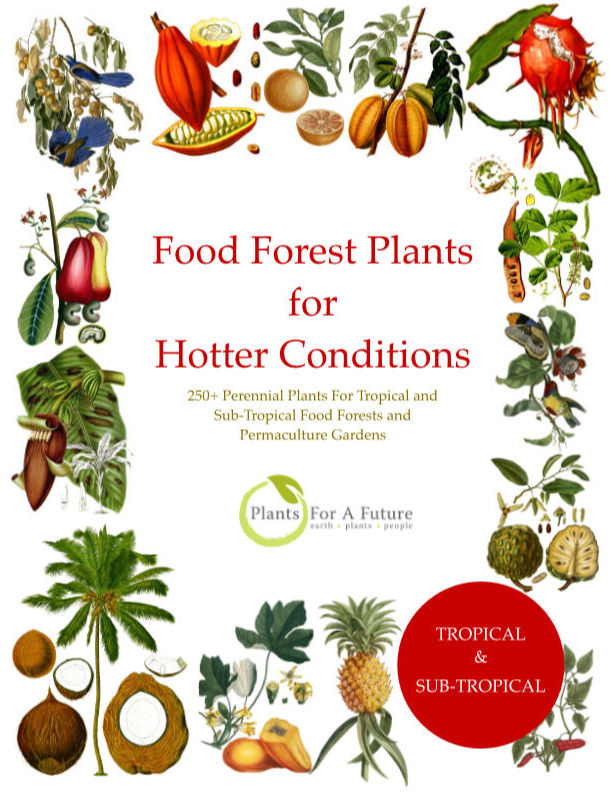
Edible Tropical Plants
Food Forest Plants for Hotter Conditions: 250+ Plants For Tropical Food Forests & Permaculture Gardens.
More
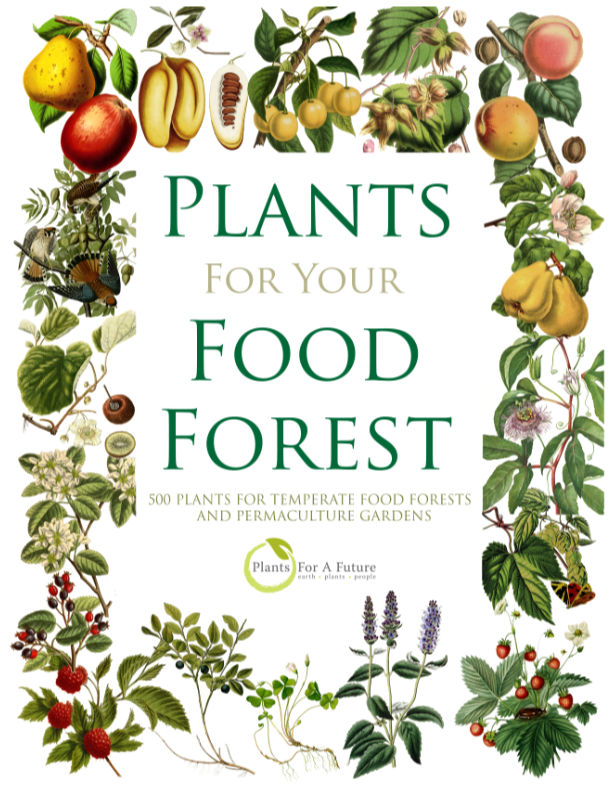
Edible Temperate Plants
Plants for Your Food Forest: 500 Plants for Temperate Food Forests & Permaculture Gardens.
More
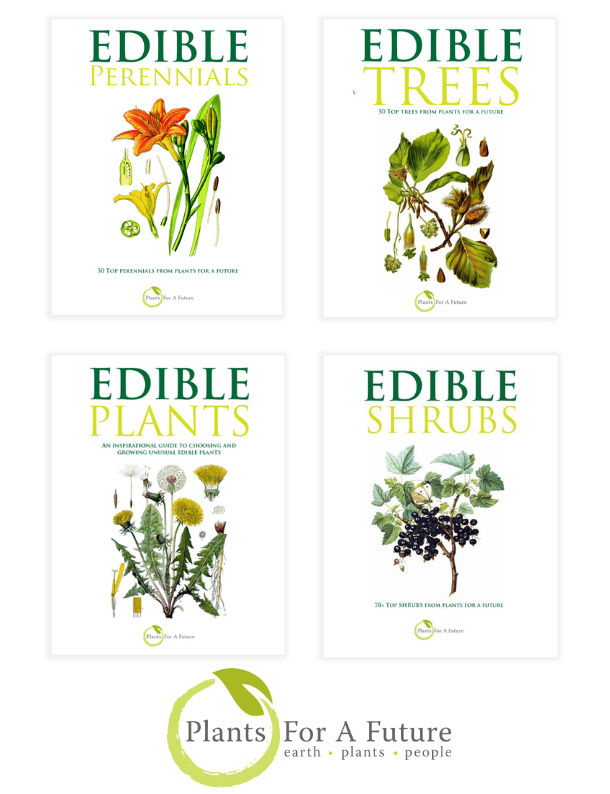
More Books
PFAF have eight books available in paperback and digital formats. Browse the shop for more information.
Shop Now
Other Uses
Dye Essential Oil Oil Tannin Wood
An essential oil is distilled from the fermented and dried leaves[238]. It is used in perfumery and in commercial food flavouring[238]. A non-drying oil is obtained from the seeds. Refined teaseed oil, made by removing the free fatty acids with caustic soda, then bleaching the oil with Fuller's earth and a sprinkling of bone black, makes an oil suitable for use in manufacture of sanctuary or signal oil for burning purposes, and in all respects is considered a favourable substitute for rapeseed, olive, or lard oils. The oil is different from cottonseed, corn, or sesame oils in that it is a non-drying oil and is not subject to oxidation changes, thus making it very suitable for use in the textile industry; it remains liquid below -18deg.C[269]. A grey dye is obtained from the pink or red petals[168]. The leaves contain 13 - 18% tannin[223]. The leaves also contain quercetin, a dyestuff that, when found in other plants, is much used as a dye[223]. The quantity of quercetin is not given[K]. Wood - moderately hard, close and even grained. It is very good for walking sticks[158].
Special Uses
Scented Plants
References More on Other Uses
Cultivation details
Landscape Uses:
Specimen. Prefers a woodland soil but thrives in a warm open well-drained loam if leafmould is added[1, 11, 200]. A calcifuge plant, preferring a pH between 5 and 7[11, 200]. Prefers the partial shade of a light woodland or a woodland clearing[166, 200]. Forms grown in this country are slow-growing[219]. Tea is reported to tolerate an annual precipitation of 70 to 310cm, an average annual temperature range of 14 to 27°C and a pH in the range of 4.5 to 7.3[269]. This species is not hardy in the colder areas of the country, it tolerates temperatures down to between -5 and -10°c[200]. It prefers a wet summer and a cool but not very frosty dry winter[200]. The fragrant flowers are very attractive to insects, particularly moths[219]. Plants are not very self-compatible, self-fertilized flowers produce few seeds and these are of low viability[200]. A very ornamental plant[1], it is widely cultivated in tropical and warm temperate areas for its leaves which are used to make China tea[1]. There are many named varieties[183] and new hardier forms are being produced in China for growing in colder areas of the country[260]. The Chinese form, known as 'Hsüeh-ch'a', is said to grow in areas within the snow limit on the mountains of Lingchiangfu in Yunnan province[178]. The sub-species C. sinensis assamica. (Mast.)Kitam. is a larger plant, growing up to 17 metres tall. It is a more tropical form of the species, is intolerant of frost and does not succeed outdoors in Britain[11, 260]. Special Features:Not North American native, Blooms are very showy.
References Carbon Farming Information and Carbon Sequestration Information
Temperature Converter
Type a value in the Celsius field to convert the value to Fahrenheit:
Fahrenheit:
The PFAF Bookshop
Plants For A Future have a number of books available in paperback and digital form. Book titles include Edible Plants, Edible Perennials, Edible Trees,Edible Shrubs, Woodland Gardening, and Temperate Food Forest Plants. Our new book is Food Forest Plants For Hotter Conditions (Tropical and Sub-Tropical).
Shop Now
Plant Propagation
Seed - can be sown as soon as it is ripe in a greenhouse[113]. Stored seed should be pre-soaked for 24 hours in warm water and the hard covering around the micropyle should be filed down to leave a thin covering[78, 113, 138]. It usually germinates in 1 - 3 months at 23°c[138]. Prick out the seedlings into individual pots when they are large enough to handle and grow them on in light shade in the greenhouse for at least their first winter. Plant them out into their permanent positions when they are more than 15cm tall and give them some protection from winter cold for their first year or three outdoors[K]. Seedlings take 4 - 12 years before they start to produce seed[269]. There are approximately 500 seeds per kilo[269]. Cuttings of almost ripe wood, 10 - 15cm with a heel, August/September in a shaded frame. High percentage but slow[78]. Cuttings of firm wood, 7 - 10cm with a heel, end of June in a frame[11, 78]. Keep in a cool greenhouse for the first year[11]. Leaf-bud cuttings, July/August in a frame.
Other Names
If available other names are mentioned here
Cha, Chai, Chiya, Chashu, Laphet, Perdu teh, Pokok cha, Pokok teh, Thayili, Theyaku, Tra,
Native Plant Search
Search over 900 plants ideal for food forests and permaculture gardens. Filter to search native plants to your area. The plants selected are the plants in our book 'Plants For Your Food Forest: 500 Plants for Temperate Food Forests and Permaculture Gardens, as well as plants chosen for our forthcoming related books for Tropical/Hot Wet Climates and Mediterranean/Hot Dry Climates. Native Plant Search
Found In
Countries where the plant has been found are listed here if the information is available
Africa, Asia, Australia, Bangladesh, Brazil, Burundi, Cambodia, Caucasus, China*, East Africa, East Timor, Ethiopia, Europe, Fiji, Georgia, Hawaii, Himalayas, India, Indochina, Indonesia, Japan, Kenya, Korea, Laos, Malawi, Malaysia, Mozambique, Myanmar, Nepal, Pacific, Papua New Guinea, PNG, Russia, Sao Tome and Principe, SE Asia, Sri Lanka, Taiwan, Tasmania, Thailand, Timor-Leste, Turkey, Uganda, USA, Vietnam, Zimbabwe,
Weed Potential
Right plant wrong place. We are currently updating this section.
Please note that a plant may be invasive in one area but may not in your area so it’s worth checking.
Conservation Status
IUCN Red List of Threatened Plants Status :

Growth: S = slow M = medium F = fast. Soil: L = light (sandy) M = medium H = heavy (clay). pH: A = acid N = neutral B = basic (alkaline). Shade: F = full shade S = semi-shade N = no shade. Moisture: D = dry M = Moist We = wet Wa = water.

Expert comment
Author
(L.)Kuntze.
Botanical References
11200
Links / References
For a list of references used on this page please go here
Readers comment