Translate this page:
Summary
Bloom Color: White.
Main Bloom Time: Early fall, Early winter, Late fall, Late winter, Mid fall, Mid winter. Form: Rounded, Vase.
Physical Characteristics

 Camellia oleifera is an evergreen Shrub growing to 4 m (13ft) by 1.5 m (5ft) at a slow rate.
See above for USDA hardiness. It is hardy to UK zone 8 and is frost tender. It is in leaf all year, in flower from October to April, and the seeds ripen in September. The species is hermaphrodite (has both male and female organs) and is pollinated by Bees.
Suitable for: light (sandy) and medium (loamy) soils and prefers well-drained soil. Suitable pH: mildly acid and neutral soils and can grow in very acid soils.
It can grow in semi-shade (light woodland) or no shade. It prefers moist soil.
UK Hardiness Map
US Hardiness Map
Synonyms
Plant Habitats
Woodland Garden Sunny Edge; Dappled Shade; Shady Edge;
Edible Uses
Edible Parts: Oil Oil
Edible Uses: Oil Oil
An oil obtained from the seed is used in cooking[2, 11, 109].
References More on Edible Uses
Medicinal Uses
Plants For A Future can not take any responsibility for any adverse effects from the use of plants. Always seek advice from a professional before using a plant medicinally.
Anthelmintic
The seed oil is used in the treatment of ringworm[218].
References More on Medicinal Uses
The Bookshop: Edible Plant Books
Our Latest books on Perennial Plants For Food Forests and Permaculture Gardens in paperback or digital formats.
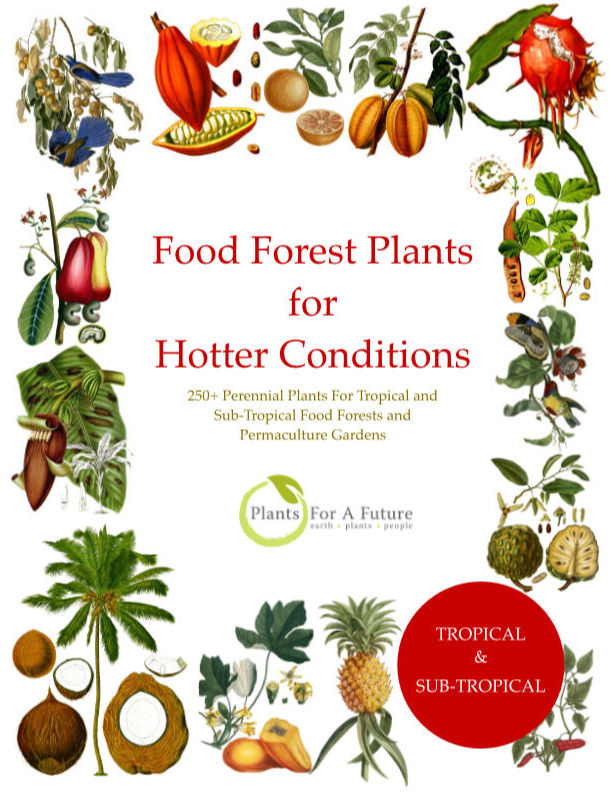
Edible Tropical Plants
Food Forest Plants for Hotter Conditions: 250+ Plants For Tropical Food Forests & Permaculture Gardens.
More
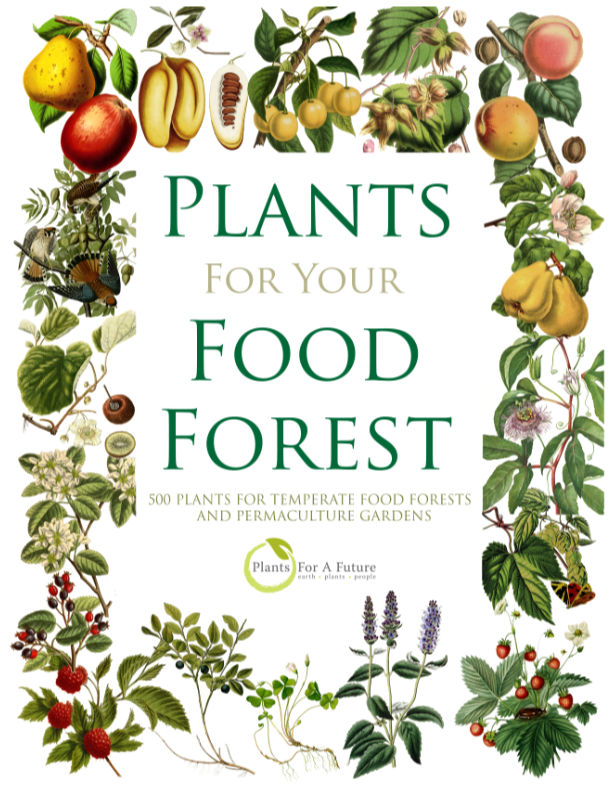
Edible Temperate Plants
Plants for Your Food Forest: 500 Plants for Temperate Food Forests & Permaculture Gardens.
More
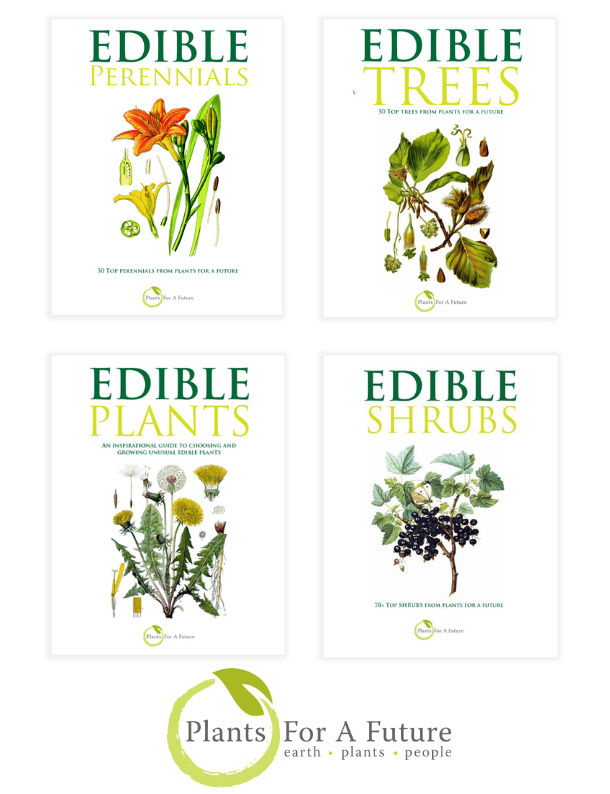
More Books
PFAF have eight books available in paperback and digital formats. Browse the shop for more information.
Shop Now
Other Uses
Dye Insecticide Oil Oil
A non-drying oil is obtained from the seed - used in textile manufacture, soap making and as an illuminant[1, 11, 166, 178]. The oil consists mainly of olein. It is not subject to polymerize or oxidize, nor does it form solids at low temperatures[174]. A grey dye is obtained from the pink or red petals[168]. The seed cake has insecticidal activity[218].
Special Uses
References More on Other Uses
Cultivation details
Landscape Uses:Pest tolerant, Standard, Specimen. Prefers a woodland soil but thrives in a warm open well-drained loam if leafmould is added[1, 11, 200]. A calcifuge plant, preferring a pH between 5 and 7[11, 200]. Prefers the partial shade of a light woodland[200]. This species is not hardy in the colder areas of the country, it tolerates temperatures down to between -5 and -10°c[200]. It succeeds on a wall at Kew and outdoors in milder areas[11]. Prefers a wet summer and a cool but not very frosty dry winter[200]. Plants are not very self-compatible, self-fertilized flowers produce few seeds and these are of low viability[200]. This species has been cultivated for many centuries in China for the oil in its seed[109, 219]. A very ornamental plant, some named forms have been developed for their ornamental value. This species is closely related to C. sasanqua[11]. Special Features:Not North American native, Attractive flowers or blooms.
References Carbon Farming Information and Carbon Sequestration Information
Temperature Converter
Type a value in the Celsius field to convert the value to Fahrenheit:
Fahrenheit:
The PFAF Bookshop
Plants For A Future have a number of books available in paperback and digital form. Book titles include Edible Plants, Edible Perennials, Edible Trees,Edible Shrubs, Woodland Gardening, and Temperate Food Forest Plants. Our new book is Food Forest Plants For Hotter Conditions (Tropical and Sub-Tropical).
Shop Now
Plant Propagation
Seed - can be sown as soon as it is ripe in a greenhouse[113]. Stored seed should be pre-soaked for 24 hours in warm water and the hard covering around the micropyle should be filed down to leave a thin covering[78, 113, 138]. It usually germinates in 1 - 3 months at 23°c[138]. Prick out the seedlings into individual pots when they are large enough to handle and grow them on in light shade in the greenhouse for at least their first winter. Plant them out into their permanent positions when they are more than 15cm tall and give them some protection from winter cold for their first year or three outdoors[K]. Cuttings of almost ripe wood, 10 - 15cm with a heel, August/September in a shaded frame. High percentage but slow[78]. Cuttings of firm wood, 7 - 10cm with a heel, end of June in a frame[11, 78]. Keep in a cool greenhouse for the first year[11]. Leaf-bud cuttings, July/August in a frame.
Other Names
If available other names are mentioned here
Native Plant Search
Search over 900 plants ideal for food forests and permaculture gardens. Filter to search native plants to your area. The plants selected are the plants in our book 'Plants For Your Food Forest: 500 Plants for Temperate Food Forests and Permaculture Gardens, as well as plants chosen for our forthcoming related books for Tropical/Hot Wet Climates and Mediterranean/Hot Dry Climates. Native Plant Search
Found In
Countries where the plant has been found are listed here if the information is available
Weed Potential
Right plant wrong place. We are currently updating this section.
Please note that a plant may be invasive in one area but may not in your area so it’s worth checking.
Conservation Status
IUCN Red List of Threatened Plants Status :

Growth: S = slow M = medium F = fast. Soil: L = light (sandy) M = medium H = heavy (clay). pH: A = acid N = neutral B = basic (alkaline). Shade: F = full shade S = semi-shade N = no shade. Moisture: D = dry M = Moist We = wet Wa = water.

Expert comment
Author
C.Abel.
Botanical References
11200266
Links / References
For a list of references used on this page please go here
Readers comment