 |
|
http://commons.wikimedia.org/wiki/File:268_Ajuga_reptans_L.jpg |
 |
| http://commons.wikimedia.org/wiki/User:LC-de |
Translate this page:
Summary
Bloom Color: Blue.
Main Bloom Time: Early summer, Late spring, Mid summer, Mid spring. Form: Prostrate, Spreading or horizontal.
Physical Characteristics

 Ajuga reptans is an evergreen Perennial growing to 0.3 m (1ft) by 0.6 m (2ft in) at a slow rate.
See above for USDA hardiness. It is hardy to UK zone 6 and is not frost tender. It is in leaf all year, in flower from May to July, and the seeds ripen from July to September. The species is hermaphrodite (has both male and female organs) and is pollinated by Bees, Lepidoptera (Moths & Butterflies). The plant is self-fertile.
It is noted for attracting wildlife.
Suitable for: light (sandy), medium (loamy) and heavy (clay) soils. Suitable pH: mildly acid, neutral and basic (mildly alkaline) soils. It can grow in full shade (deep woodland) semi-shade (light woodland) or no shade. It prefers dry moist or wet soil and can tolerate drought.
UK Hardiness Map
US Hardiness Map
Synonyms
Plant Habitats
Woodland Garden Dappled Shade; Shady Edge; not Deep Shade; Ground Cover; Meadow; Bog Garden;
Edible Uses
Edible Parts: Leaves Shoots
Edible Uses:
Young shoots - raw[7].
References More on Edible Uses
Medicinal Uses
Plants For A Future can not take any responsibility for any adverse effects from the use of plants. Always seek advice from a professional before using a plant medicinally.
Aromatic Astringent Bitter Homeopathy
Bugle has a long history of use as a wound herb and, although little used today, it is still considered very useful in arresting haemorrhages and is also used in the treatment of coughs and spitting of blood in incipient consumption[4, 254, 268]. The plant contains digitalis-like substances (these are commonly found in Digitalis species and are used in treating heart complaints) and is thought to possess heart tonic properties[268]. It has also been considered good for the treatment of excessive alcohol intake[4]. The whole plant is aromatic, astringent and bitter[4, 7, 9]. The plant is usually applied externally[7]. It is harvested as it comes into flower in late spring and dried for later use[4, 7]. It is also commonly used fresh in ointments and medicated oils[238]. A homeopathic remedy is made from the whole plant. It is widely used in various preparations against throat irritations and especially in the treatment of mouth ulcers[7].
References More on Medicinal Uses
The Bookshop: Edible Plant Books
Our Latest books on Perennial Plants For Food Forests and Permaculture Gardens in paperback or digital formats.
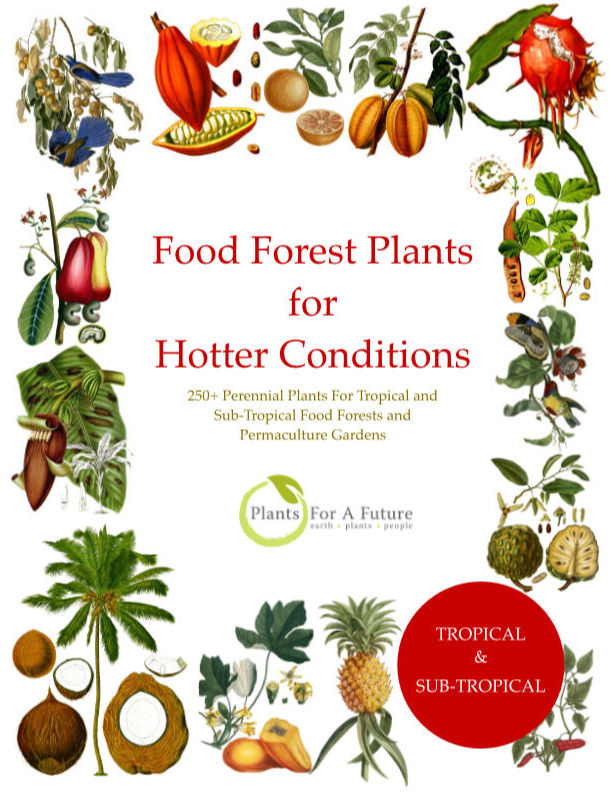
Edible Tropical Plants
Food Forest Plants for Hotter Conditions: 250+ Plants For Tropical Food Forests & Permaculture Gardens.
More
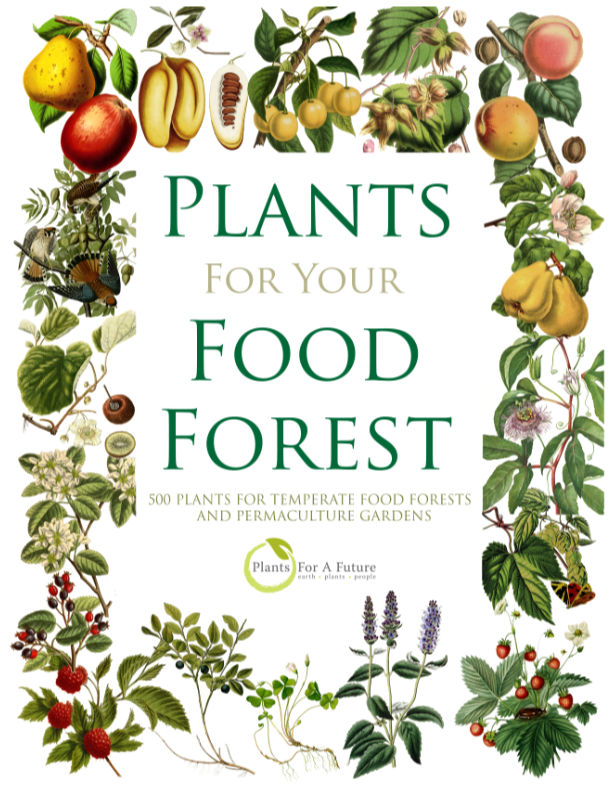
Edible Temperate Plants
Plants for Your Food Forest: 500 Plants for Temperate Food Forests & Permaculture Gardens.
More
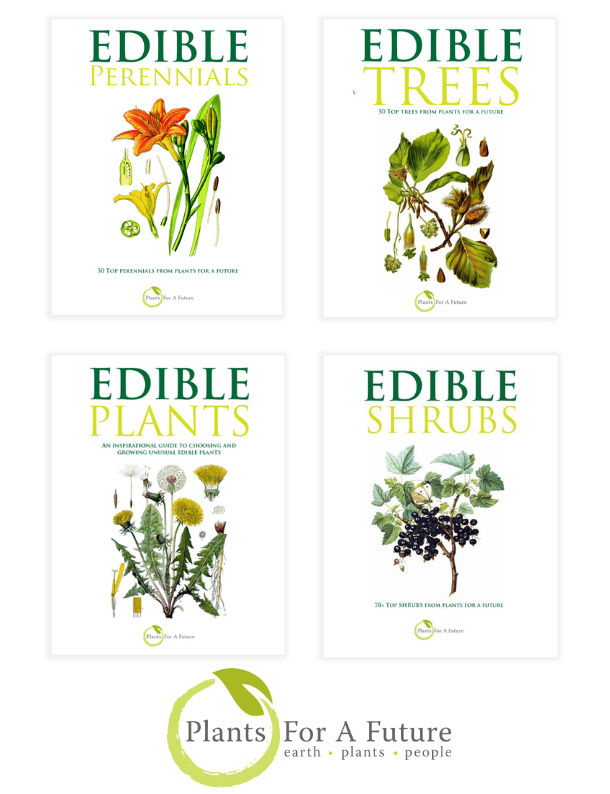
More Books
PFAF have eight books available in paperback and digital formats. Browse the shop for more information.
Shop Now
Other Uses
A good ground-cover for a position in semi-shade[200], forming a carpet and rooting as it spreads[208]. Fairly fast growing but it does not always smother out weeds and can become bare at the centre if not growing in good conditions[197]. Perennial groundcover for zone 2 firebreaks. The US government has created a system of firebreaks for areas prone to wildfires, theses are separated into concentric zones surrounding buildings. Zone 2 is the second away from the house. These low-level groundcovers provide little fuel.
Special Uses
Attracts Wildlife Food Forest Ground cover
References More on Other Uses
Cultivation details
Landscape Uses:Border, Container, Erosion control, Ground cover, Massing, Rock garden, Specimen, Woodland garden. Prefers a humus-rich, moisture retentive soil and partial shade[28, 31, 200]. Does well in marshy soil and in the spring meadow[24]. Grows well in dry shade[187, 190] and is fairly drought tolerant once established, though it shows distress in severe drought[190]. Plants do not always ripen their seeds in Britain, they spread freely by runners, however, and soon form an extensive patch in suitable conditions[4]. A number of forms have been selected for their ornamental value, several of them are variegated and these are used especially as ground cover plants for dry shade[187]. A purple-leafed form, 'Atropurpurea' does well in full sun so long as the soil is not dry[208]. A good bee and butterfly plant[24]. Special Features:Attractive foliage, Not North American native, Naturalizing. Heat Zone: 9-1.
References Carbon Farming Information and Carbon Sequestration Information
Temperature Converter
Type a value in the Celsius field to convert the value to Fahrenheit:
Fahrenheit:
The PFAF Bookshop
Plants For A Future have a number of books available in paperback and digital form. Book titles include Edible Plants, Edible Perennials, Edible Trees,Edible Shrubs, Woodland Gardening, and Temperate Food Forest Plants. Our new book is Food Forest Plants For Hotter Conditions (Tropical and Sub-Tropical).
Shop Now
Plant Propagation
Seed - sow spring or autumn in a cold frame. The seed usually germinates in 3 - 4 weeks at 10°c[133], though it can be erratic[238]. Prick out the seedlings when they are large enough to handle and plant them out in the summer[K]. Division of runners at almost any time of year. Very easy, the divisions can be planted straight out into their permanent positions if required.
Other Names
If available other names are mentioned here
Bugula, Middle Comfrey, Middle Confound, Sicklewort, Carpenter's Herb
Native Plant Search
Search over 900 plants ideal for food forests and permaculture gardens. Filter to search native plants to your area. The plants selected are the plants in our book 'Plants For Your Food Forest: 500 Plants for Temperate Food Forests and Permaculture Gardens, as well as plants chosen for our forthcoming related books for Tropical/Hot Wet Climates and Mediterranean/Hot Dry Climates. Native Plant Search
Found In
Countries where the plant has been found are listed here if the information is available
Weed Potential
Right plant wrong place. We are currently updating this section.
Please note that a plant may be invasive in one area but may not in your area so it’s worth checking.
Conservation Status
IUCN Red List of Threatened Plants Status :

Growth: S = slow M = medium F = fast. Soil: L = light (sandy) M = medium H = heavy (clay). pH: A = acid N = neutral B = basic (alkaline). Shade: F = full shade S = semi-shade N = no shade. Moisture: D = dry M = Moist We = wet Wa = water.

Expert comment
Author
L.
Botanical References
17200
Links / References
For a list of references used on this page please go here
Readers comment